Written by Chillie Falls, AccessAdventure.net, January 23, 2026
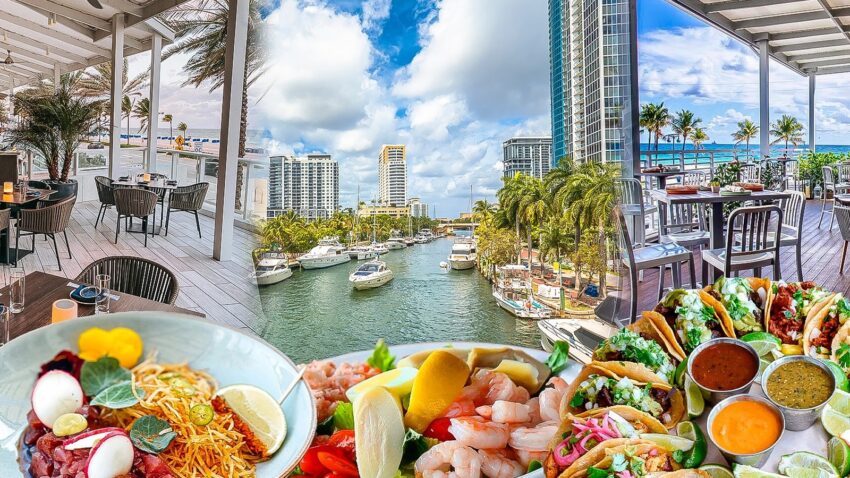
Fort Lauderdale has quietly become one of the most wheelchair-friendly travel destinations in Florida, and by 2026, the city continues to build on that reputation. Known as the “Venice of America” for its extensive canal system and as one of the busiest cruise homeports in the world, Fort Lauderdale blends laid-back beach culture with modern accessibility. For travelers using wheelchairs or mobility devices, the city offers relatively flat terrain, improving public infrastructure, accessible beaches, and strong compliance with ADA standards across hotels, attractions, and cruise facilities.
Accessibility in Fort Lauderdale begins the moment you arrive. Fort Lauderdale–Hollywood International Airport (FLL) is compact, easy to navigate, and well-equipped for travelers with
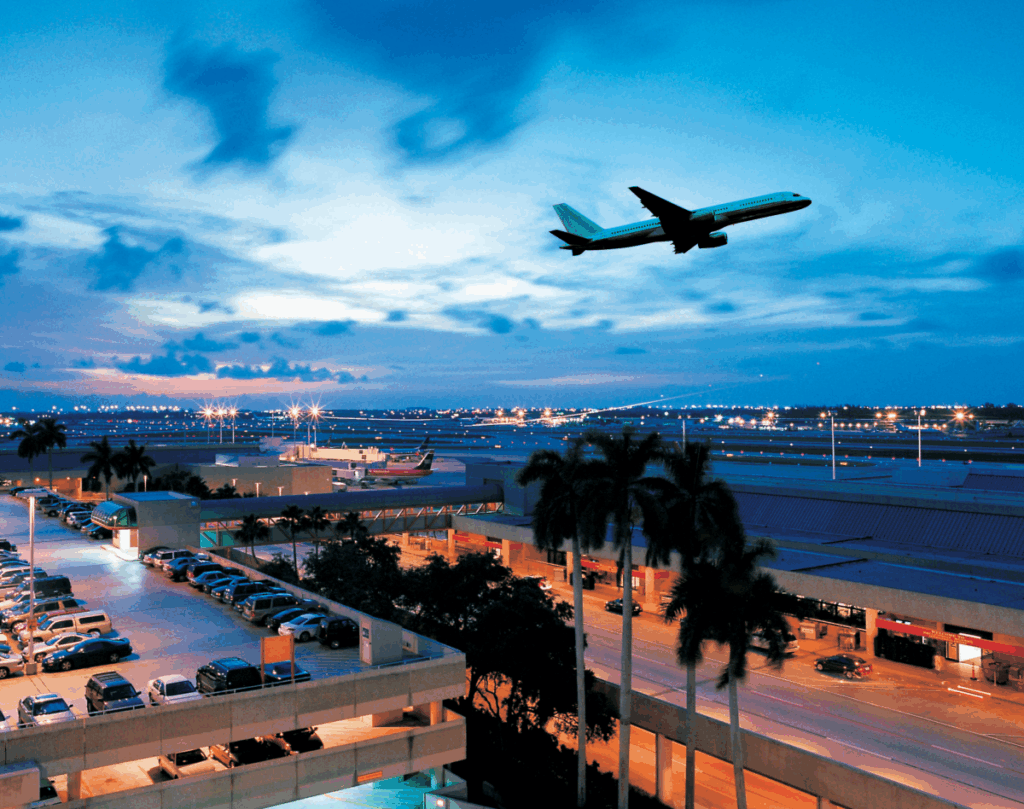
disabilities. Wheelchair assistance is readily available through airlines, terminals have step-free access throughout, and restrooms are spacious and modern. Ground transportation is another strong point. Wheelchair-accessible taxis and rideshare vehicles are increasingly common, and many travelers find
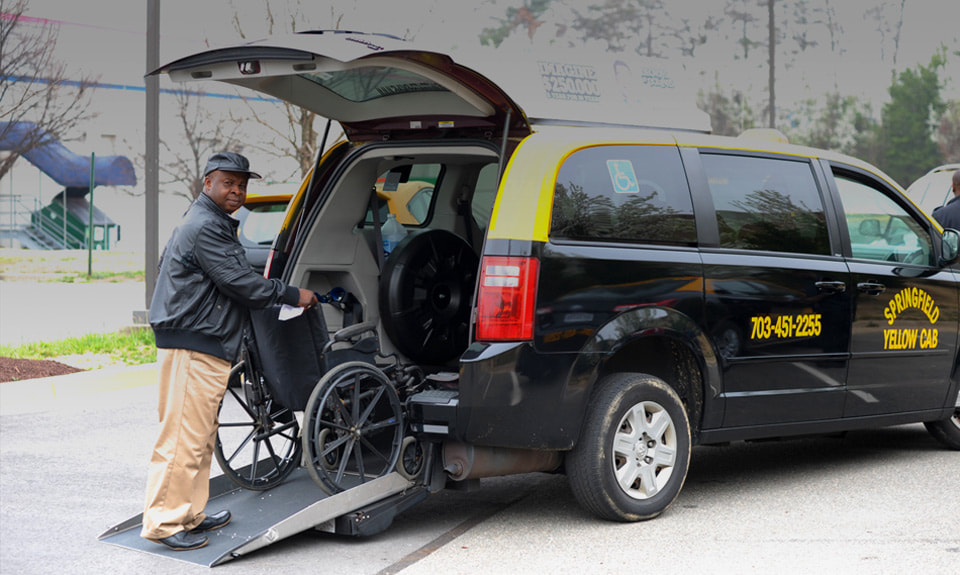
Fort Lauderdale easier to navigate than Miami due to lighter congestion and shorter distances between attractions.
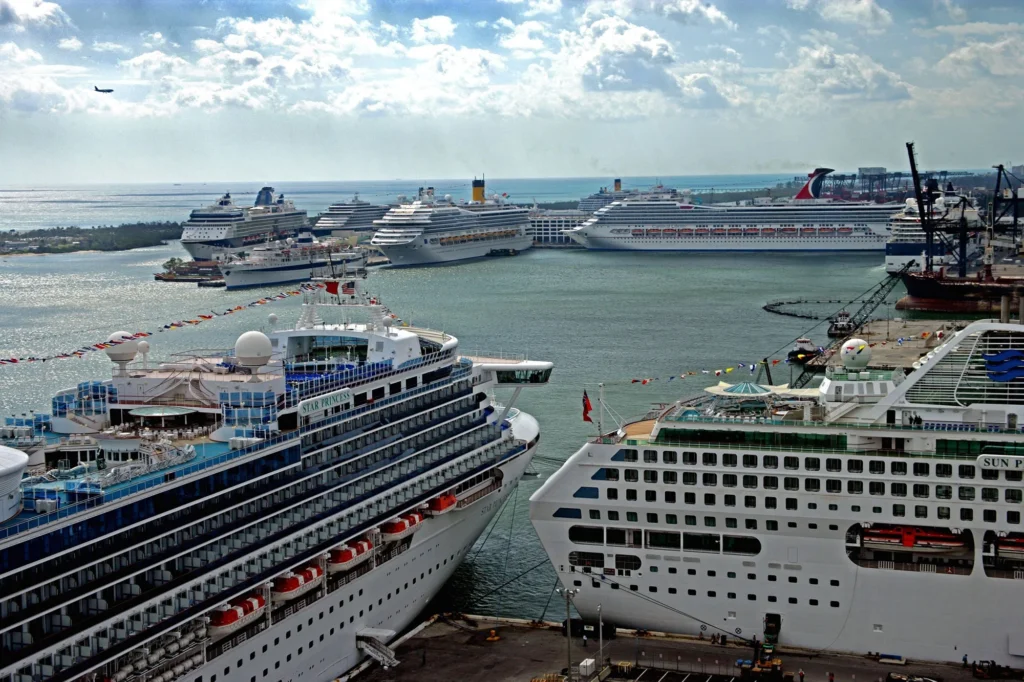
For cruise travelers, Fort Lauderdale is especially appealing. Port Everglades remains one of the most accessible cruise ports in North America. The terminals are designed with step-free entry, wide corridors, elevators, and accessible restrooms. Embarkation staff are experienced in assisting guests with mobility needs, and curbside drop-offs are typically smooth. Unlike many ports that rely heavily on tendering, Port Everglades allows nearly all ships to dock directly, eliminating one of the biggest accessibility challenges for wheelchair users. This makes Fort Lauderdale a preferred homeport for travelers who want a stress-free cruise start or end.
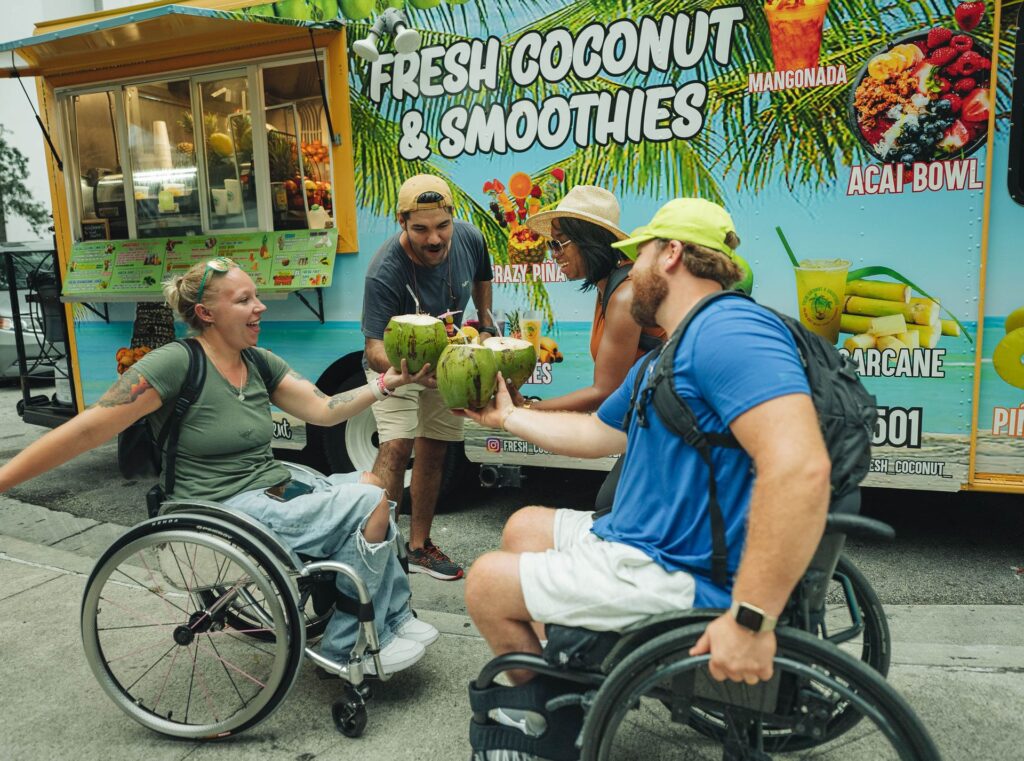
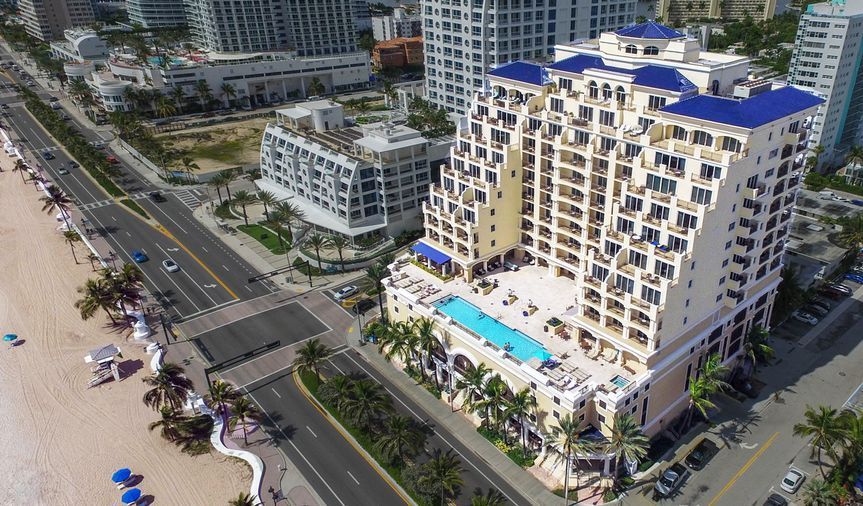
Fort Lauderdale’s beaches are another highlight for accessible travel. Over the past several years, the city has invested heavily in improving beach access, and by 2026, several beachfront areas feature beach wheelchairs and smooth beach access mats that extend closer to the shoreline. Fort Lauderdale Beach, in particular, stands out for its wide promenade, smooth sidewalks, curb cuts, and accessible parking. The beachfront path allows wheelchair users to enjoy ocean views, restaurants, and people-watching without navigating sand. Many beachfront hotels also offer ADA-compliant rooms with roll-in showers and step-free balcony access.
Exploring the city beyond the beach is refreshingly manageable. Fort Lauderdale’s downtown area, Las Olas Boulevard, and Riverwalk district are relatively flat and well-paved, making them comfortable for manual and power wheelchairs alike. Las Olas Boulevard is lined with restaurants, shops, and galleries
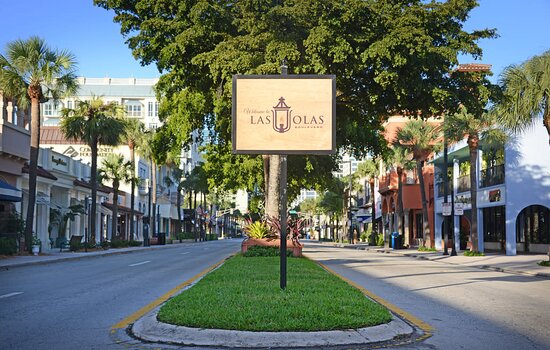
that are generally accessible, with wide entrances and minimal steps. Outdoor dining is common, which adds flexibility for wheelchair users who may need extra space or easier seating arrangements.
The Riverwalk Arts & Entertainment District is another accessible gem. Stretching along the New River, this scenic corridor offers smooth paths, shaded seating areas, and river views that are easy to enjoy at

a relaxed pace. Water taxis, one of Fort Lauderdale’s signature experiences, have improved accessibility in recent years. While not every stop or vessel is fully wheelchair accessible, select boats can accommodate wheelchairs, especially with advance planning. Staff are typically helpful and accustomed to assisting guests with mobility needs, making this a unique and enjoyable way to see the city from the water.
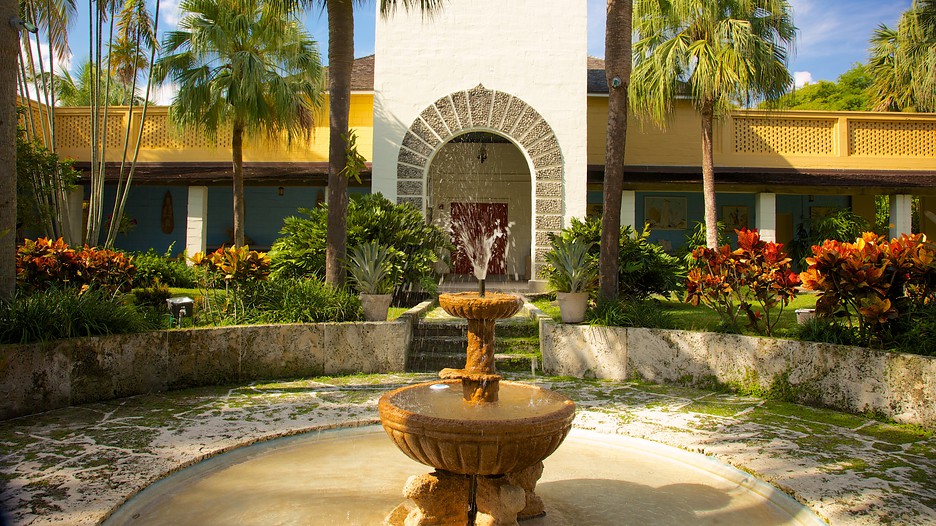
Cultural attractions in Fort Lauderdale continue to raise the bar for inclusivity. The Bonnet House Museum & Gardens, while historic, offers accessible pathways through much of the property and provides accommodations upon request. The NSU Art Museum Fort Lauderdale is fully wheelchair

accessible, with elevators, spacious galleries, and accessible restrooms, making it a comfortable stop for travelers who enjoy art and indoor attractions. Nearby performing arts venues and theaters also offer accessible seating and companion seating options.
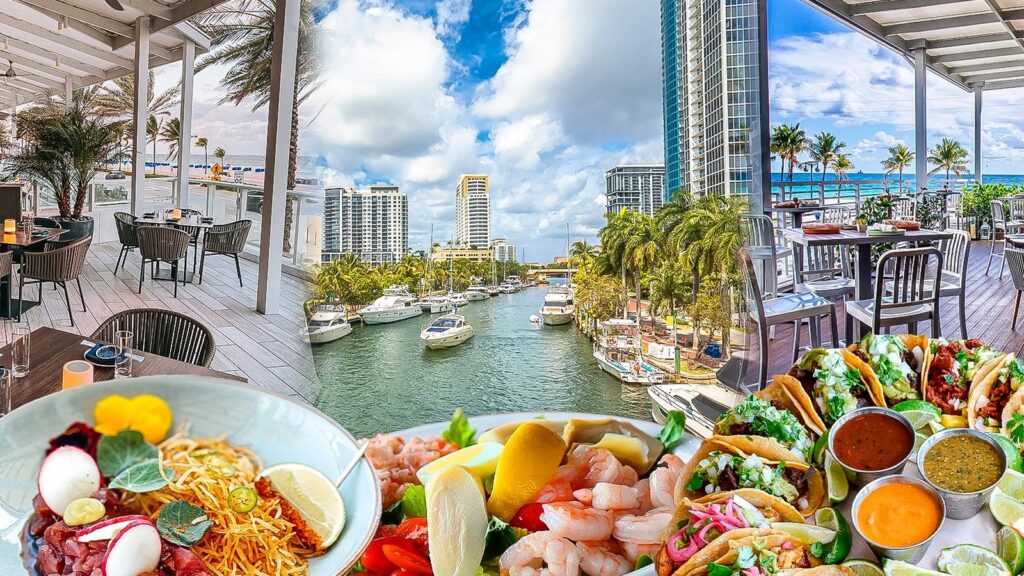
Dining in Fort Lauderdale is generally wheelchair-friendly, particularly in newer developments and along major tourist corridors. Restaurants often feature wide aisles, accessible restrooms, and staff who are willing to adjust seating arrangements. Waterfront dining is especially popular, and many restaurants along the Intracoastal Waterway are designed with step-free entrances and level outdoor patios.

Accommodations in Fort Lauderdale range from luxury resorts to mid-range hotels, and accessibility standards are consistently strong. Many hotels near the beach and cruise port offer ADA rooms with roll-in showers, lowered amenities, and visual or hearing accessibility features. Staying near Port Everglades or along Fort Lauderdale Beach can reduce transportation needs and simplify travel days, especially for cruise passengers.
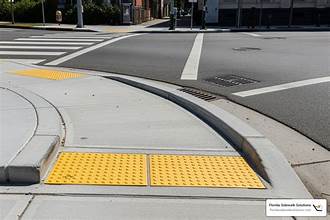
One of Fort Lauderdale’s biggest advantages for wheelchair users is its predictability. Sidewalks are generally well-maintained, curb ramps are common, and the city’s layout avoids the steep hills and historic obstacles found in some older destinations. While construction and traffic can occasionally create temporary barriers, these are usually well-marked and easier to navigate than in larger metropolitan areas.
For travelers planning a 2026 visit, Fort Lauderdale offers an ideal balance of relaxation and accessibility. Whether you’re cruising out of Port Everglades, enjoying accessible beachfront strolls, or exploring downtown culture at your own pace, the city delivers a welcoming experience without constant logistical hurdles. It’s a destination that doesn’t just accommodate wheelchair users—it actively works to include them, making Fort Lauderdale one of the most accessible coastal cities in the United States.