Written by Chillie Falls, AccessAdventure.net, January 12, 2026
2026 Wheelchair Accessible Travel Guide to New Orleans
Few cities in the United States offer the layered history, soul-deep music, and unmistakable flavor of New Orleans. In 2026, the Crescent City continues to welcome travelers from around the world, including those using wheelchairs, with a steadily improving accessibility landscape. While New Orleans is famous for its historic architecture and centuries-old streets, it has also made meaningful progress in ensuring that visitors with mobility needs can experience its culture, cuisine, and celebrations with confidence and comfort.
New Orleans is not a city that rushes you. It invites travelers to move slowly, listen closely, and absorb its rhythms, making it especially rewarding for wheelchair users who prefer immersive, place-based travel. With thoughtful planning and realistic expectations, an accessible New Orleans trip in 2026 can be rich, memorable, and deeply engaging.
Arriving and Navigating the Crescent City
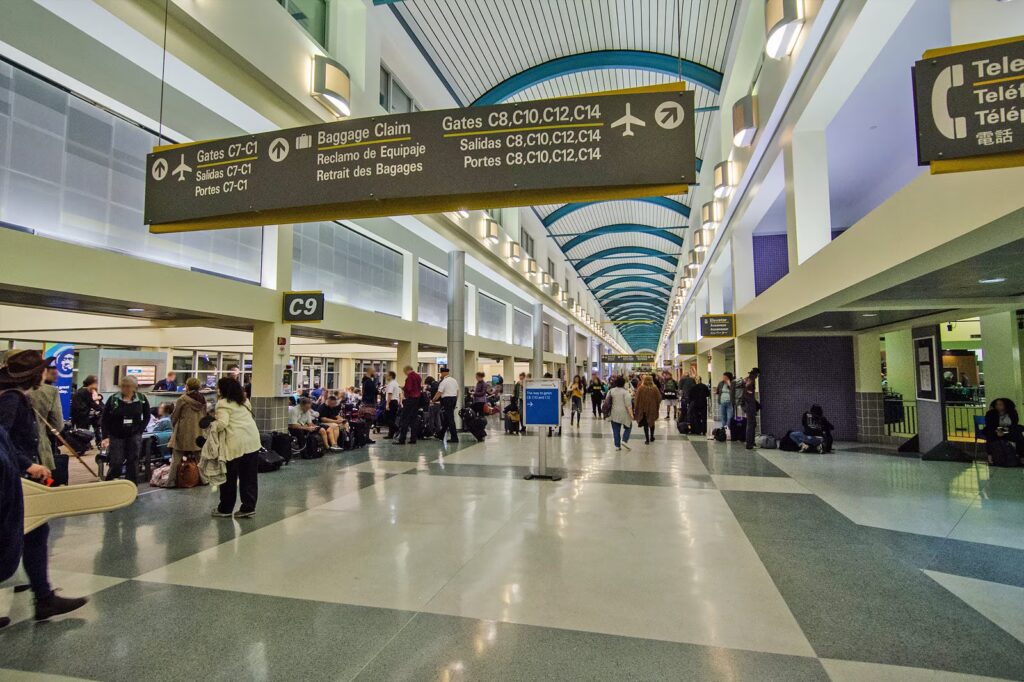
Most travelers arrive through Louis Armstrong New Orleans International Airport, which offers accessible terminals, wheelchair assistance, elevators, and ADA-compliant restrooms throughout. Ground transportation options include accessible taxis, ride-share services with WAV availability, and shuttle services that can accommodate wheelchairs when arranged in advance.
Getting around New Orleans requires an understanding of its layout. Neighborhoods like the French Quarter and Central Business District are relatively compact, allowing travelers to focus on smaller areas each day. Sidewalk conditions can vary, particularly in historic areas where uneven pavement and brick streets are part of the city’s character. Many curb ramps have been added or improved, but travelers benefit from scouting routes ahead of time and allowing extra travel time between stops.

The iconic streetcars remain one of New Orleans’ most beloved experiences, and several lines now include wheelchair-accessible cars. Boarding is smooth at designated stops, particularly along St. Charles Avenue and Canal Street, making streetcars both a practical and atmospheric way to explore the city.
The French Quarter, History, and Culture
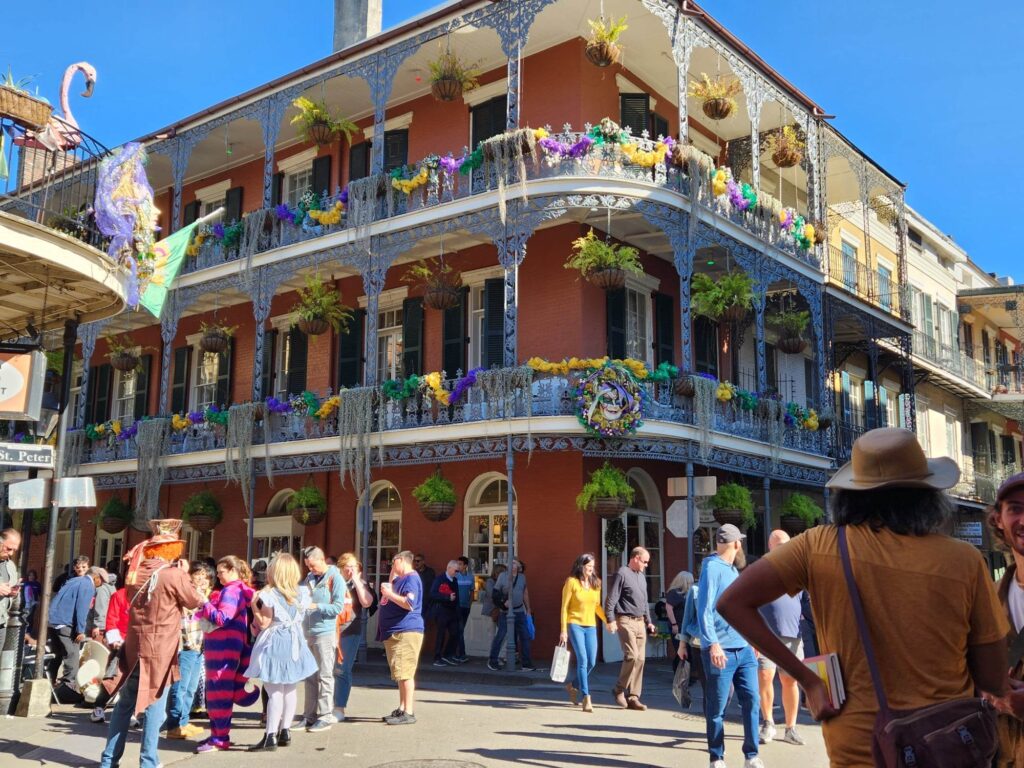
The French Quarter is the emotional heart of New Orleans and, despite its age, increasingly accessible in key areas. Streets like Royal and Chartres offer relatively smoother routes compared to more uneven side streets, and many shops, galleries, and restaurants have installed ramps or level entrances. While not every historic building can accommodate wheelchairs, enough are accessible to allow for a full and rewarding experience.
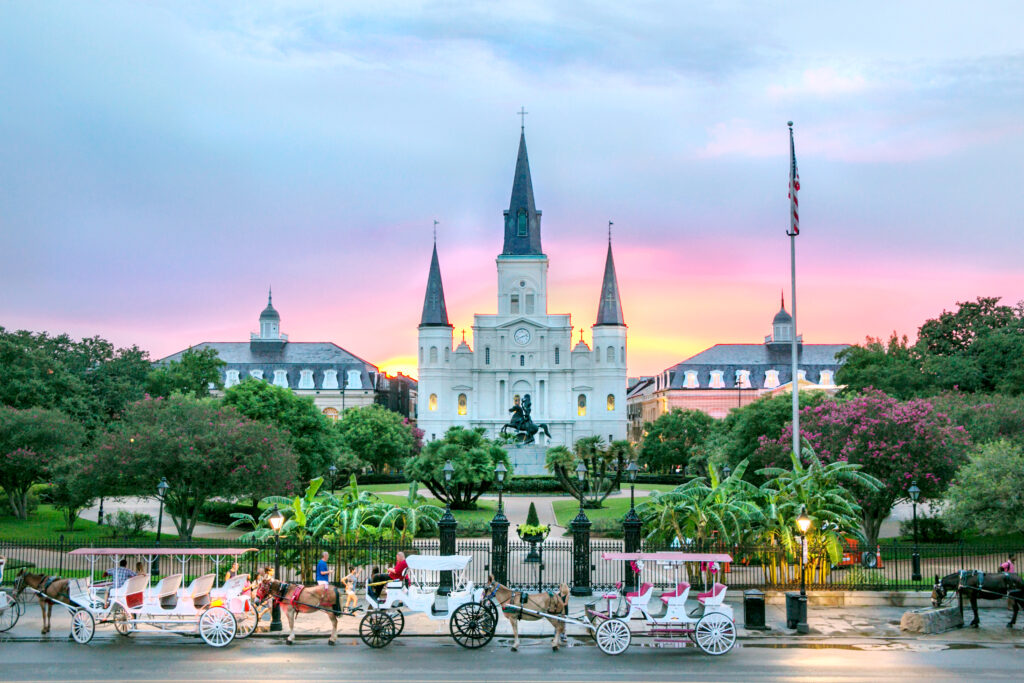
At the center of the Quarter, Jackson Square provides open, level pathways and wide viewing areas where visitors can enjoy street performers, artists, and views of the Mississippi River. Nearby, the St. Louis Cathedral offers step-free access to portions of the interior, allowing wheelchair users to experience one of the city’s most iconic landmarks.
Riverfront Views and Outdoor Experiences
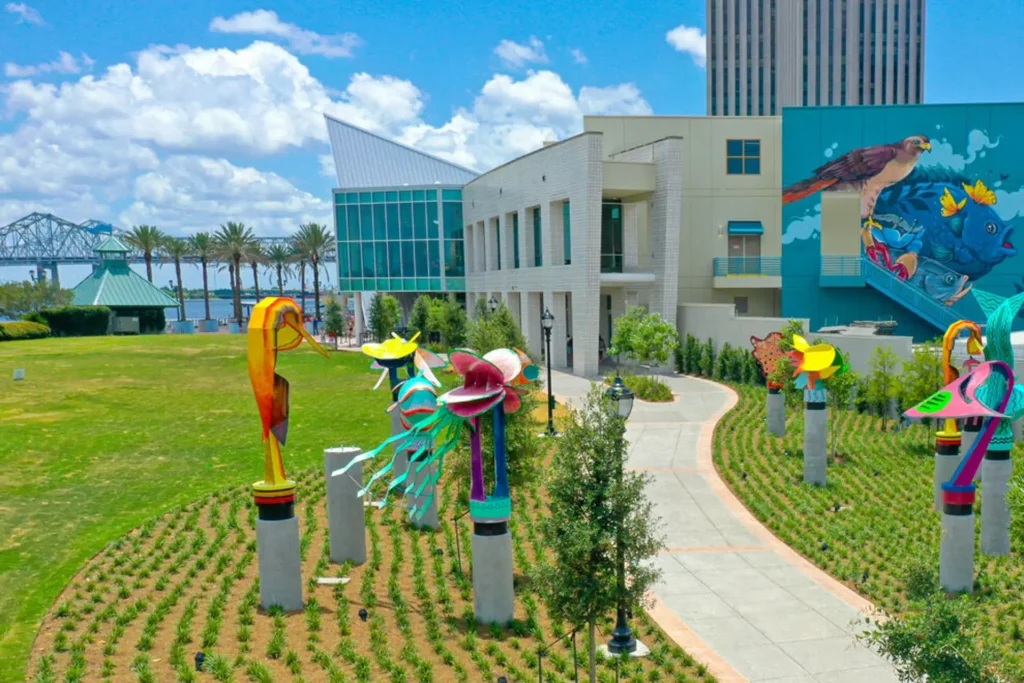
One of the most accessible outdoor experiences in New Orleans is along the Mississippi River. The Woldenberg Riverfront Park and the expanded riverwalk areas provide smooth, paved paths with unobstructed views of passing riverboats and cargo ships. These areas are ideal for wheelchair users seeking open space, fresh air, and easy navigation.

Nearby, the Audubon Aquarium of the Americas offers a fully accessible indoor experience with ramps, elevators, and wide exhibit areas. The aquarium pairs well with a riverfront stroll and makes for an enjoyable half-day outing without excessive travel.
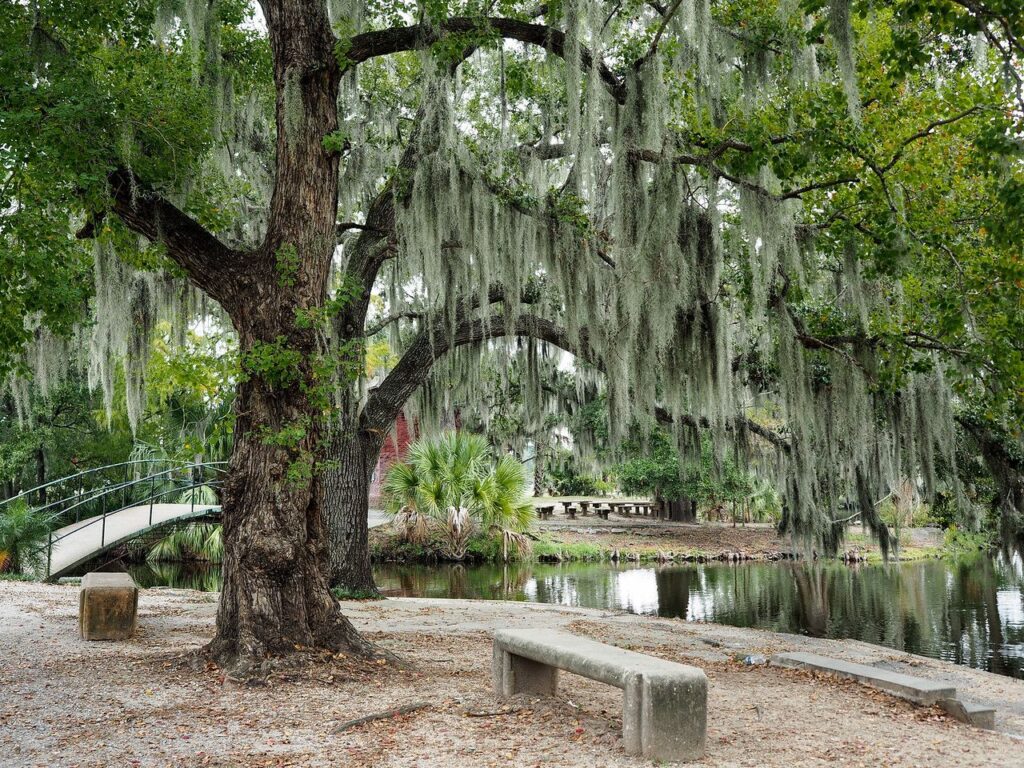
New Orleans’ larger parks, such as City Park, also offer accessible sections, paved paths, and scenic views. While some areas feature natural terrain, wheelchair travelers will find enough smooth routes to enjoy the park’s gardens, waterways, and shaded promenades.
Food, Music, and the New Orleans Experience
Dining is central to life in New Orleans, and in 2026, many restaurants—especially newer establishments and those in the Central Business District—offer step-free entrances and accessible seating. Historic restaurants may still have limitations, but staff are often accommodating, and calling ahead remains one of the most effective ways to ensure a smooth experience.
Live music is woven into the city’s identity, and many venues now prioritize accessibility. Jazz clubs, hotel lounges, and cultural venues increasingly provide accessible entrances, seating areas, and restrooms, allowing wheelchair users to enjoy performances without feeling excluded from the city’s vibrant nightlife.
Accessible Hotels and Where to Stay
New Orleans offers a wide range of accessible hotel options, particularly in the Central Business District and Warehouse District. These areas combine modern infrastructure with proximity to top attractions, making them ideal bases for wheelchair travelers.
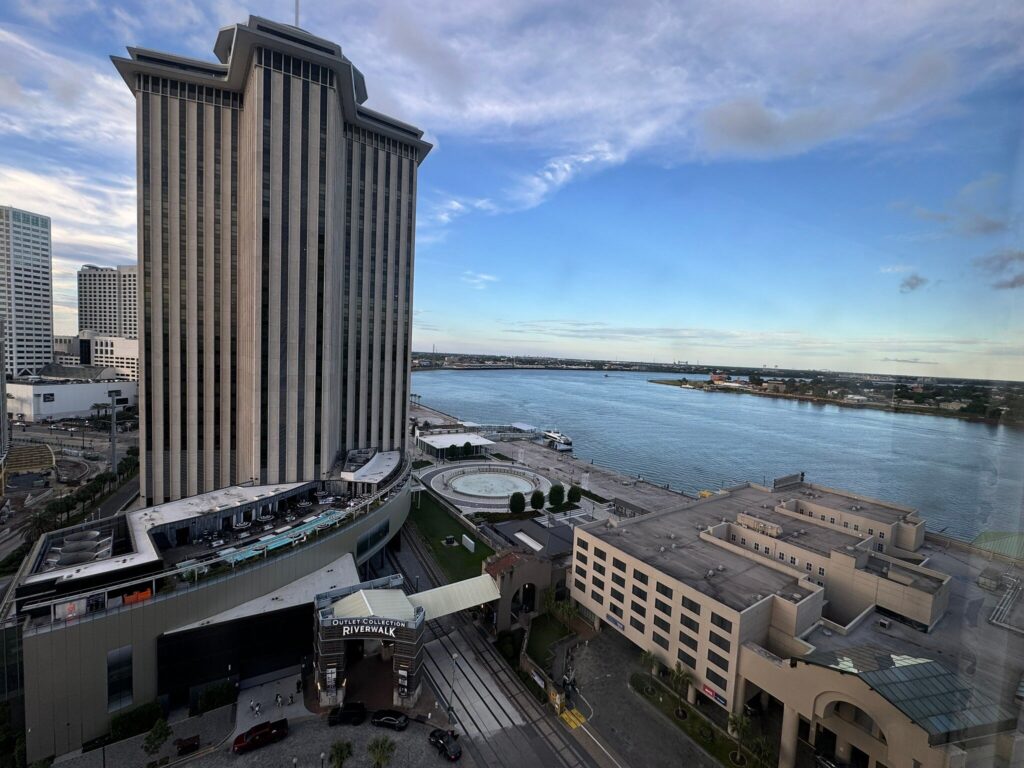
Hotels such as Hilton New Orleans Riverside, Hyatt Regency New Orleans, and Omni Royal Orleans provide ADA-compliant rooms, elevators, and accessible public spaces. Boutique hotels have also improved accessibility, though travelers should always confirm specific features such as roll-in showers, bed heights, and doorway widths before booking.
Staying slightly outside the French Quarter often results in smoother sidewalks, quieter streets, and easier hotel access while still remaining close to major attractions.
Mardi Gras and Major Events in 2026
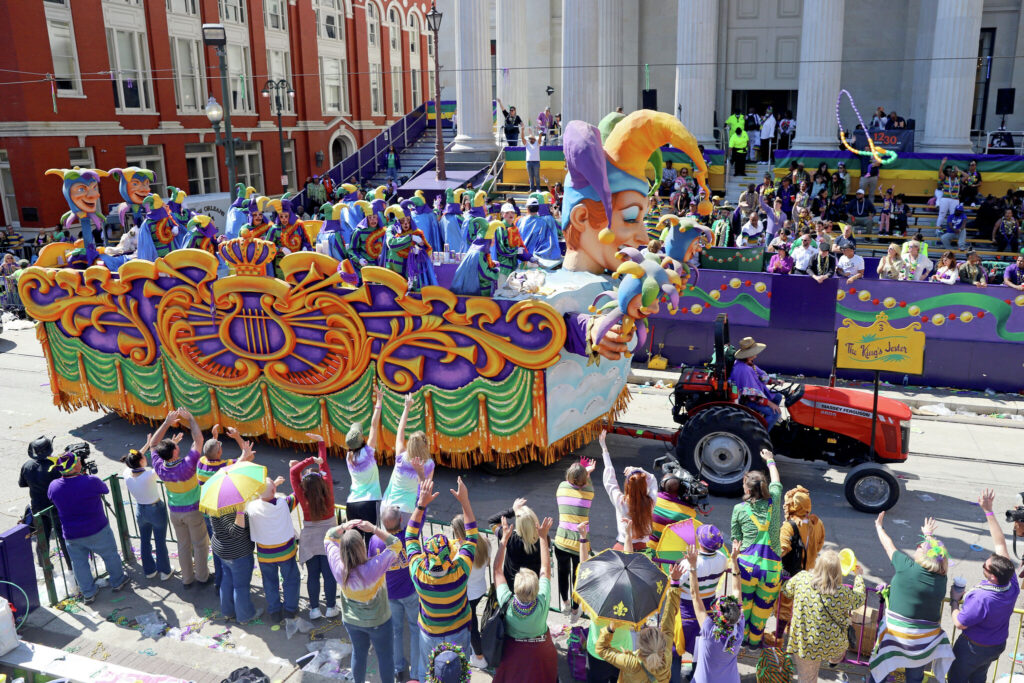
New Orleans’ event calendar is legendary, and 2026 is no exception. Mardi Gras remains the city’s most iconic celebration, and accessibility has improved through designated viewing areas, accessible portable restrooms, and improved parade route planning. Wheelchair users attending major events benefit from arriving early, choosing accessible viewing zones, and coordinating transportation well in advance.
Festivals, food events, and cultural celebrations throughout the year increasingly consider accessibility in layout and services, reflecting the city’s broader push toward inclusive tourism.
Why New Orleans Works for Wheelchair Travelers
New Orleans is not a destination defined by perfection, but by personality—and that personality includes a deep sense of hospitality. In 2026, the city continues to balance preservation with progress, making it possible for wheelchair users to experience its music, history, and cuisine without feeling sidelined.
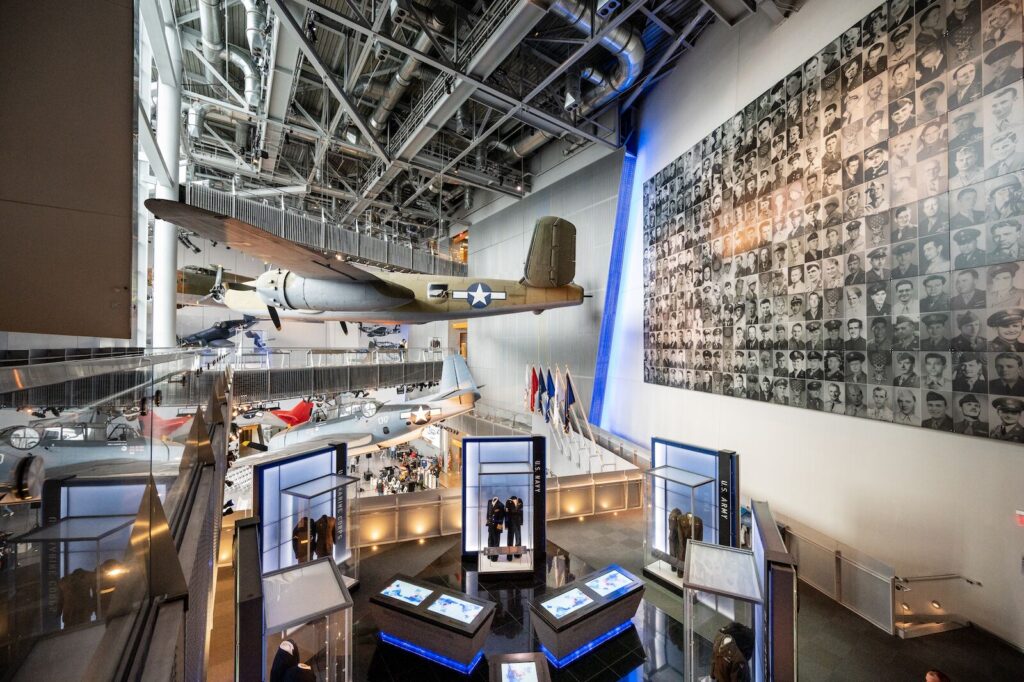
From accessible world-class museums and riverfront promenades to improving streetcar access and thoughtfully designed hotels, New Orleans proves that even the oldest cities can evolve. For wheelchair travelers seeking culture, atmosphere, and stories that linger long after the trip ends, the Crescent City offers an experience unlike anywhere else.