Written by Chillie Falls, AccessAdventure.net, January 10, 2026


4
2026 Wheelchair Accessible Travel Guide to Roanoke, Virginia
Tucked into the heart of Virginia’s Blue Ridge Mountains, Roanoke has steadily grown into a destination that welcomes travelers of all abilities. Known for its mountain views, revitalized downtown, and strong arts culture, Roanoke in 2026 offers a travel experience that balances natural beauty with practical accessibility. For wheelchair users, the city’s compact layout, improving infrastructure, and concentration of attractions in the downtown core make it especially manageable and rewarding.
Roanoke’s atmosphere feels relaxed and authentic. It is a place where scenic overlooks sit just minutes from museums, restaurants, and hotels, allowing visitors to experience both nature and culture without long or complicated travel days. While the surrounding mountains remain rugged, the city itself has made thoughtful progress toward inclusion, particularly in public spaces and major attractions.
Arriving and Getting Around Roanoke
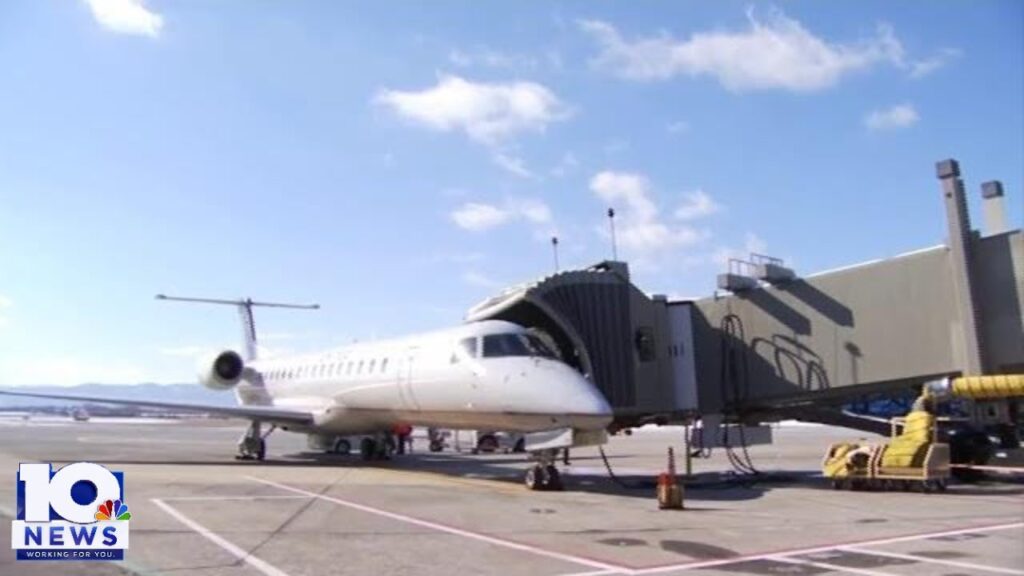
Most visitors arrive via the Roanoke–Blacksburg Regional Airport, which offers accessible parking, elevators, and wheelchair assistance upon request. Rental cars are readily available and remain the most flexible option for wheelchair travelers, especially when visiting scenic areas like Mill Mountain. Downtown Roanoke is also navigable by wheelchair, with curb cuts, pedestrian crossings, and relatively flat terrain compared to the surrounding region.
Public transportation through Valley Metro continues to offer ADA-compliant buses, making it possible for visitors staying downtown to reach nearby neighborhoods and attractions without driving. Ride-share services are widely available, though travelers using power chairs or needing WAV vehicles should plan ahead.
Experiencing Roanoke’s Culture and History

Downtown Roanoke is the cultural heart of the city and one of the most wheelchair-friendly areas to explore. The Taubman Museum of Art stands out as a highlight, not only for its striking architecture but also for its accessibility. Visitors will find level entrances, elevators between floors, wide gallery spaces, and accessible restrooms, allowing for a comfortable and unhurried visit. The museum’s rotating exhibitions ensure that even repeat visitors will find something new in 2026.
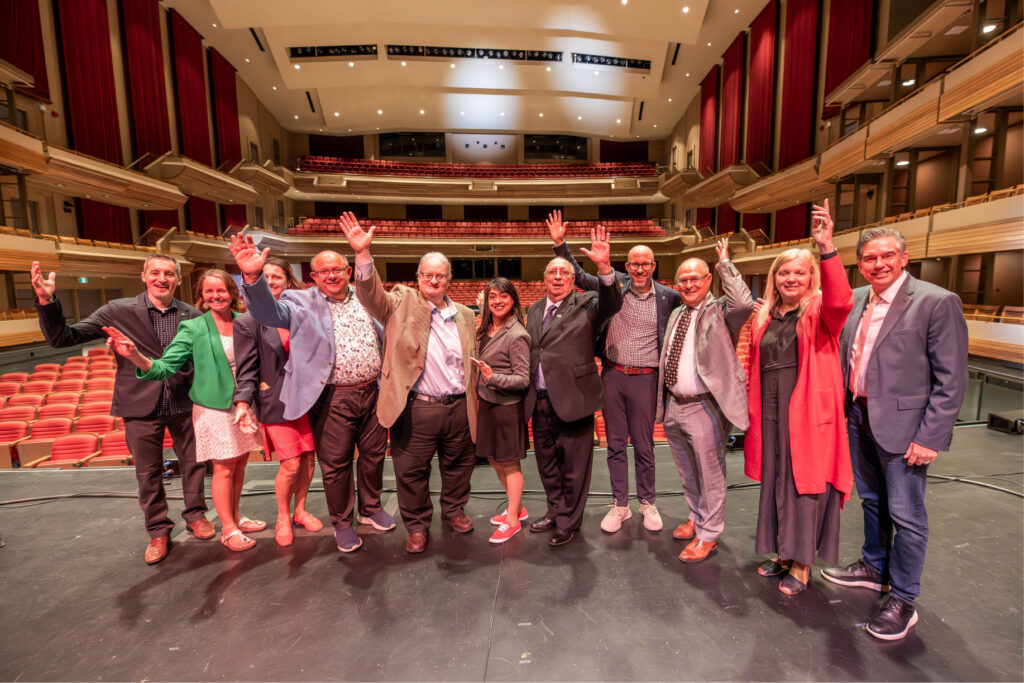
Just steps away, Center in the Square brings together multiple museums and cultural organizations under one roof. Its central location and step-free access make it an ideal stop for wheelchair users who want to experience Roanoke’s history, science, and regional culture without traveling far. This area also connects easily to restaurants and coffee shops, making it simple to build a full day downtown.
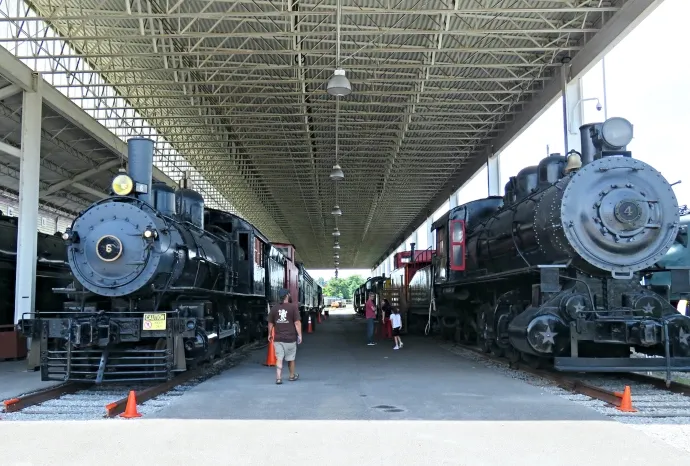
Transportation history plays an important role in Roanoke’s identity, and the Virginia Museum of Transportation reflects that legacy. With wide aisles, ramp access, and accessible restrooms, the museum allows wheelchair users to explore historic locomotives and vehicles at their own pace, offering both educational value and an easy indoor experience.
Enjoying the Outdoors Without Barriers
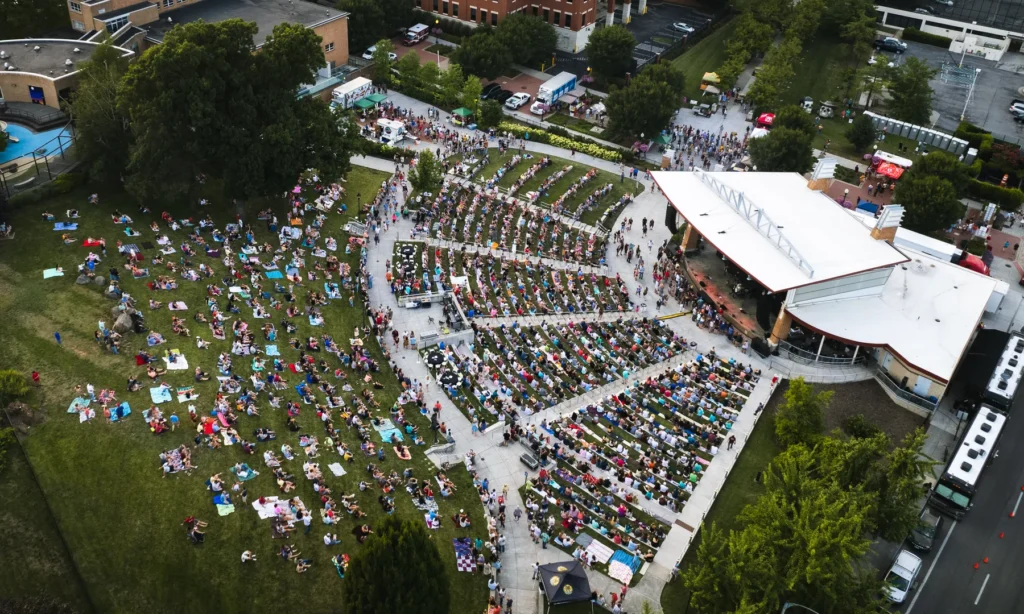
While Roanoke is surrounded by mountains, the city itself offers several outdoor spaces designed with accessibility in mind. Elmwood Park, located downtown, features paved walkways, open green space, and frequent community events. It serves as a relaxing break between museum visits or a place to enjoy Roanoke’s mild spring and fall weather.
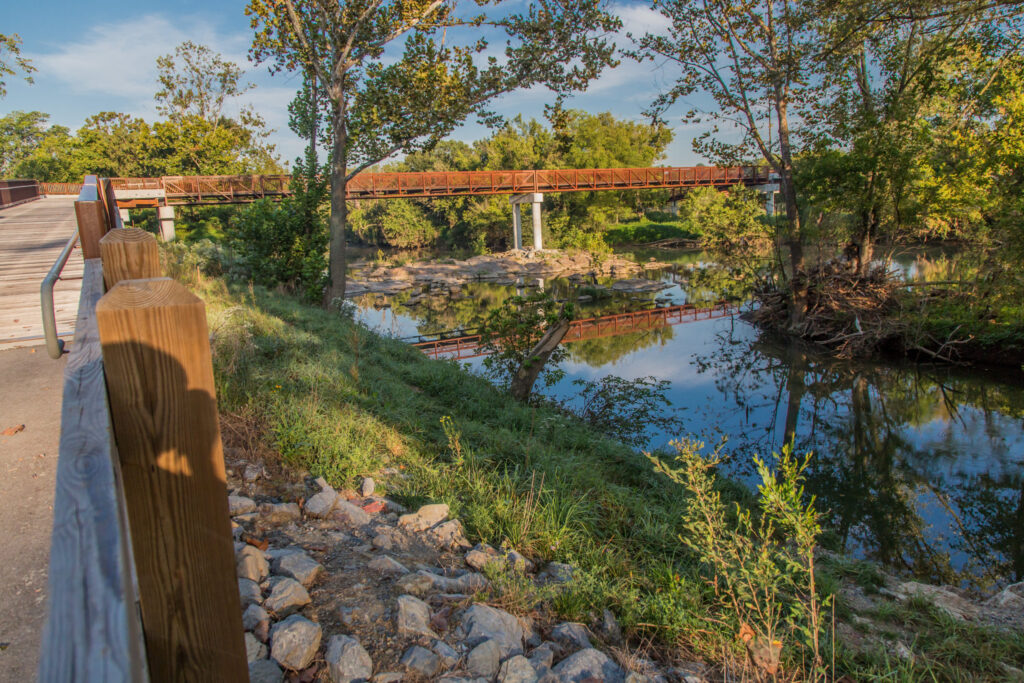
For visitors seeking nature without rough terrain, the Roanoke River Greenway provides one of the most wheelchair-friendly outdoor experiences in the region. This paved trail system winds along the river and through quiet stretches of the city, offering scenic views without steep grades or uneven surfaces. Many travelers find it to be one of the most peaceful and accessible ways to experience the Blue Ridge environment.
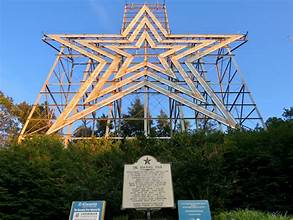
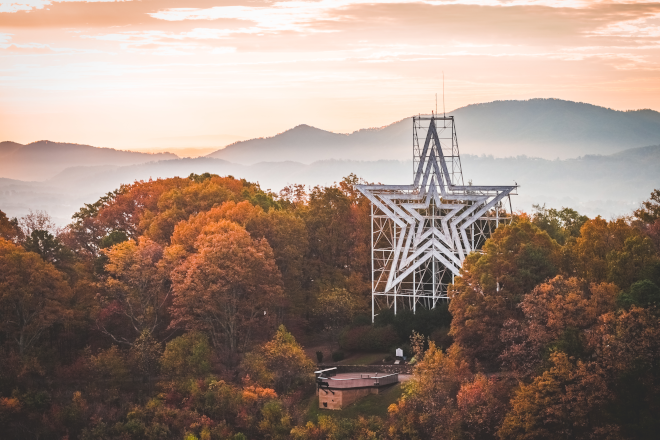
No visit to Roanoke feels complete without seeing the iconic Mill Mountain Star. While the mountain itself is steep, the overlook area near the star is accessible by vehicle, and several viewing points offer space for wheelchairs. The panoramic views of the Roanoke Valley provide a memorable highlight, especially at sunset, without requiring strenuous travel.
Accessible Hotels and Comfortable Stays

Roanoke offers several hotels that consistently receive positive feedback from wheelchair travelers. One of the most well-known is The Hotel Roanoke & Conference Center, which combines historic charm with modern accessibility features, including ADA-compliant rooms, elevators, and accessible common areas. Its location near downtown attractions makes it especially appealing for travelers who prefer to minimize daily transportation.

Boutique-style comfort can be found at The Liberty Trust, where accessible rooms place guests within easy reach of museums, restaurants, and shops. For travelers who prefer familiar amenities and predictable layouts, chain hotels like Hampton Inn & Suites Roanoke-Downtown and SpringHill Suites Roanoke provide accessible rooms with roll-in showers and step-free access.
As always, confirming specific accessibility features directly with the hotel before booking remains essential, particularly for travelers who require roll-in showers or additional maneuvering space.
Dining and Local Flavor
Dining in Roanoke continues to evolve, especially downtown, where many restaurants now offer step-free entrances and flexible seating. Sidewalk dining areas are common during warmer months and often provide easier access for wheelchair users. While not every historic building has been fully adapted, the overall dining scene in 2026 is noticeably more inclusive than in years past.
Visitors who plan ahead and call restaurants directly will generally find staff accommodating and willing to adjust seating arrangements when possible. Downtown’s walkable layout makes it easy to enjoy multiple dining options without repeated transfers.
Practical Accessibility Tips for 2026
Roanoke rewards travelers who plan thoughtfully. Scheduling attractions during off-peak hours can make navigation easier, especially in museums and parks. Spring and fall offer the most comfortable weather for wheelchair travel, while summer events can bring larger crowds downtown. When exploring scenic areas, having a vehicle allows greater flexibility, particularly for accessing overlooks and trailheads.
Why Roanoke Works for Wheelchair Travelers
In 2026, Roanoke stands out as a destination that blends scenic beauty with practical accessibility. Its downtown-centered attractions, accessible museums, paved greenways, and reliable hotel options create an experience that feels welcoming rather than limiting. For wheelchair users seeking a destination that offers culture, nature, and a relaxed pace without overwhelming logistics, Roanoke proves that mountain towns can be inclusive too.