
Written by Chillie Falls, AccessAdventure.net, January 25, 2026
Wheelchair Accessible Travel Guide to Nassau, Bahamas (2026)
Nassau, the capital of the Bahamas, remains one of the most popular cruise destinations in the Caribbean—and in 2026, it continues to improve accessibility for travelers using wheelchairs or mobility devices. With its close proximity to the cruise port, growing awareness of inclusive tourism, and a mix of historic charm and beachside relaxation, Nassau can be an enjoyable and manageable destination when planned thoughtfully.
For wheelchair users arriving by cruise ship, Nassau is generally a docked port rather than a tendered one, which is a major advantage. Ships berth directly at Prince George Wharf, allowing guests to roll straight off the gangway onto the pier. This eliminates the uncertainty and accessibility challenges that often come with tender boats, making Nassau one of the more reliable Caribbean ports for accessible cruising.
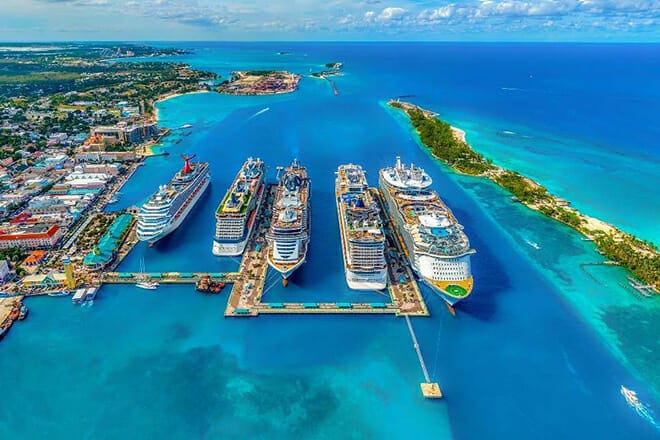
Once ashore, the immediate port area is flat, paved, and busy but navigable. The Nassau Cruise Port redevelopment, completed in recent years, added smoother walkways, shaded areas, ramps, and clearer pedestrian flow. While crowds can be heavy on days with multiple ships in port, wheelchair users will find the infrastructure more forgiving than in many older Caribbean ports.
Exploring Downtown Nassau in a Wheelchair
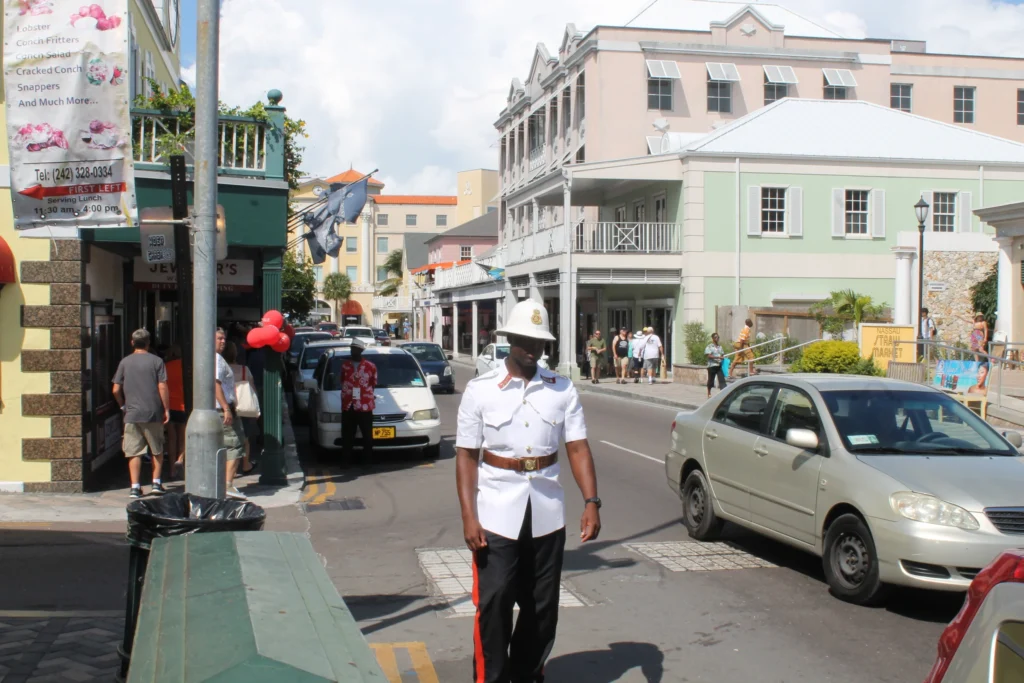
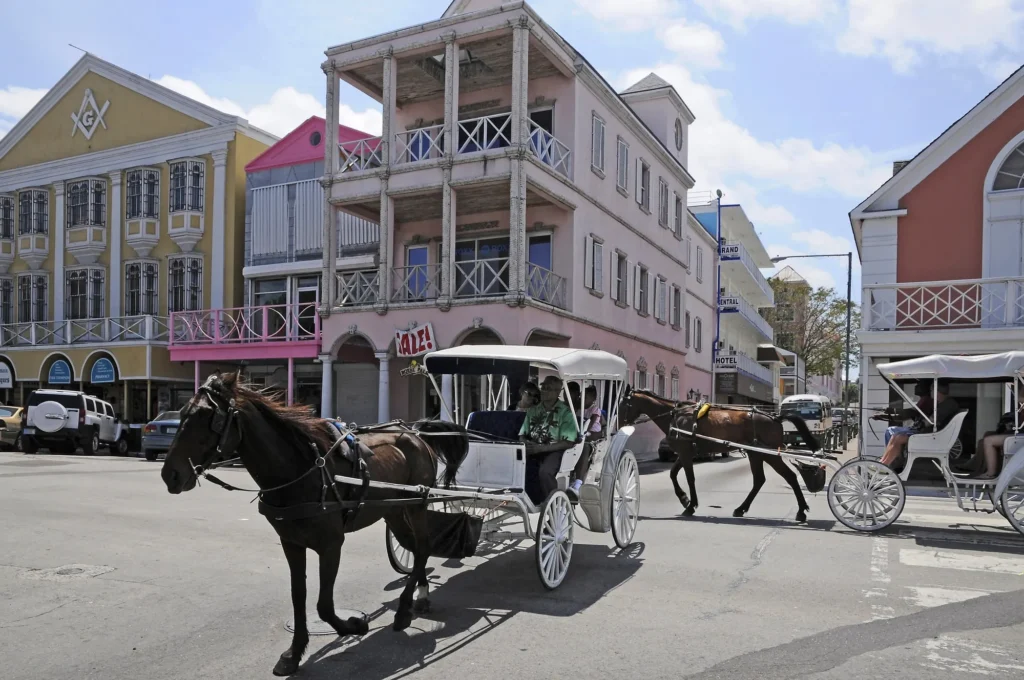
Downtown Nassau sits just steps from the cruise pier and is one of the most accessible areas on the island. Bay Street, the main thoroughfare, is mostly flat and lined with shops, restaurants, and historic buildings. Sidewalk conditions vary, however, and some curb cuts are inconsistent, so patience and caution are essential.
Popular attractions like the Straw Market are technically accessible, but the experience can be challenging due to narrow aisles and dense crowds. Visiting earlier in the morning often provides a smoother experience. Museums and historic buildings in Nassau tend to be less accessible overall, as many are housed in older colonial structures with steps and limited interior space.
For travelers who prefer not to navigate busy streets, simply enjoying the waterfront near the cruise port can be rewarding. Benches, open plazas, and views of the harbor provide a relaxing alternative to venturing far inland.
Accessible Beaches Near Nassau
Beaches are one of Nassau’s biggest draws, and several are reachable and usable for wheelchair travelers with planning.
Junkanoo Beach, located about a 10–15 minute walk from the cruise port, is the closest option. The route is mostly flat, though sidewalks can be uneven. While Junkanoo Beach does not have permanent beach wheelchairs, some nearby beach clubs may assist with entry or provide seating close to the water. The sand itself can be soft, making independent movement difficult without specialized equipment.
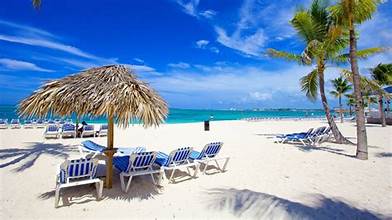
Cable Beach, farther from the port, offers a more accessible experience when visiting resorts like Baha Mar or large beachfront hotels. These properties often feature paved paths, ramps, accessible restrooms, and firmer beach entry points. Transportation is required to reach Cable Beach, but accessible taxis and pre-arranged transfers make this achievable.
Wheelchair Accessible Excursions and Activities
Nassau offers a growing number of excursions that can work well for wheelchair users, particularly those that emphasize sightseeing over rugged terrain.
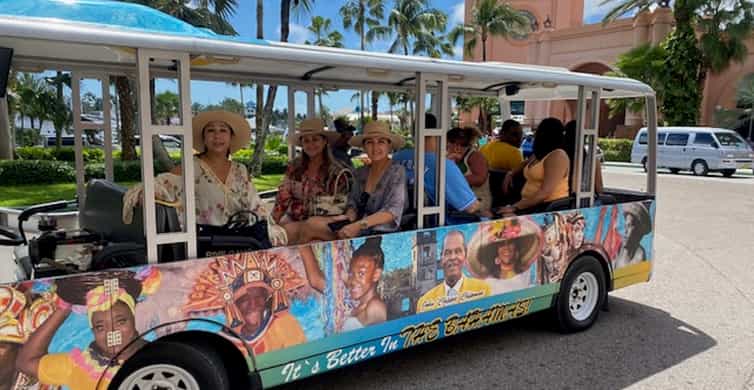
City tours using accessible vans or private drivers are one of the best ways to explore Nassau comfortably. These tours allow travelers to see highlights such as the Queen’s Staircase (from the top viewing area),
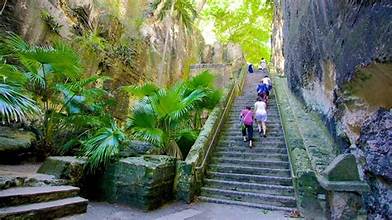
Government House, and Fort Charlotte without navigating steep inclines or stairs.

Resort day passes are another popular and accessible option. Many major resorts cater to guests with mobility needs, offering smooth pathways, accessible pools, and dining areas that accommodate wheelchairs. Calling ahead or booking through a cruise line’s accessible shore excursion desk is strongly recommended.
Boat-based excursions are more variable. While Nassau does offer catamaran and harbor cruises, wheelchair accessibility depends heavily on vessel design and crew assistance. These experiences often require transferring from a wheelchair to fixed seating, which may not be suitable for all travelers.
Getting Around Nassau with a Wheelchair
Transportation is one of the most important considerations for wheelchair users in Nassau. While public buses, known as jitneys, are not wheelchair accessible, private transportation fills the gap.
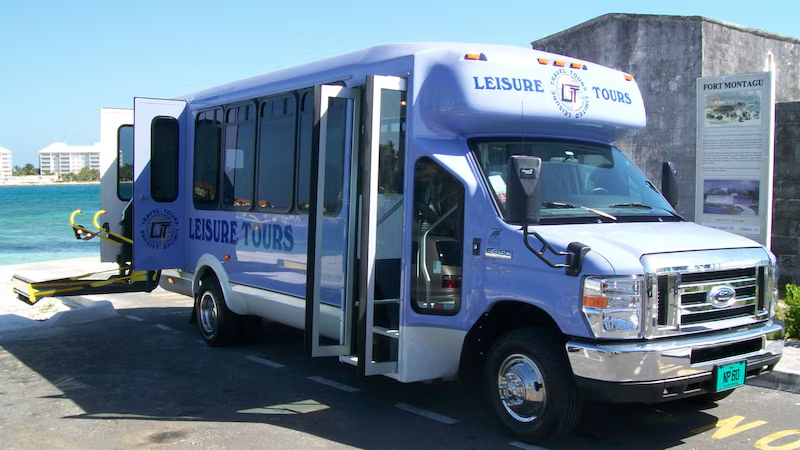
Accessible taxis and private drivers can be arranged through cruise lines, local tour operators, or hotels. Availability is limited, so advance planning is essential, especially on busy cruise days. Roads in Nassau can be uneven, but major routes and resort areas are generally manageable.
Travelers using scooters or power wheelchairs should also be mindful of battery charging. Many restaurants and resorts are accommodating if asked politely, but carrying a backup battery or charger is wise.
Accessibility Challenges to Keep in Mind
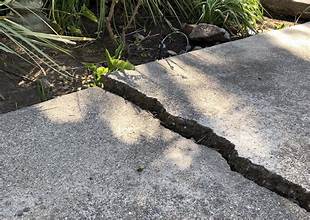
Despite improvements, Nassau still presents challenges. Sidewalks can be narrow or broken outside of main tourist areas, and curb ramps are not always present. Restroom accessibility varies widely, with newer facilities being far more reliable than older ones.
Heat is another factor. Nassau’s warm, humid climate can be draining, particularly for travelers with mobility-related health concerns. Staying hydrated, planning frequent rest breaks, and scheduling activities during cooler morning hours can make a significant difference.
Below are Nassau accessible route maps from the cruise port to key areas (Downtown, Junkanoo Beach, Cable Beach). This includes landmarks, distances, terrain notes, and accessibility tips.
📍 ACCESSIBLE ROUTE MAPS — Nassau, Bahamas (2026)
1) Port to Downtown Nassau (Bay Street)
Start: Prince George Wharf Cruise Terminal
End: Bay Street (main Downtown promenade)
Route:
- Exit cruise terminal and head south on Bay Street/West Bay Street.
- Follow the wide paved sidewalk all the way — it stays flat and level.
- You’ll pass the National Art Gallery of The Bahamas on your right.
- Continue to the Straw Market, shops, cafés, and waterfront promenade.
Distance: ~0.3 miles / ~5–7 minutes
Accessibility Notes:
✔ Solid paved sidewalks with several curb ramps
✔ Heavy pedestrian traffic — good for people-watching
⚠ Some curb cuts can be narrow — navigate slowly
Visual Landmarks:
🟦 Cruise terminal exit → 🟧 Straw Market → 🟩 Junkanoo Statue Circle
2) Port to Junkanoo Beach
Start: Prince George Wharf Cruise Terminal
End: Junkanoo Beach
Route:
- From Bay Street, head east toward Arawak Cay Lane.
- Turn right (south) onto Arawak Cay Lane.
- Continue south to the beach entry point. Access here is best near public restrooms and seating areas.
Distance: ~0.7 miles / ~12–15 min walk
Accessibility Notes:
✔ Mostly flat pavement
⚠ Sidewalk quality varies—some uneven spots near vendors
⚠ No dedicated beach wheelchair stations here
Visual Landmarks:
🟦 Cruise terminal → 🟨 Bay Street stores → 🟥 Arawak Cay → 🏖 Junkanoo Beach
3) Port to Cable Beach (Accessible Resort Area)
Start: Prince George Wharf Cruise Terminal
End: Cable Beach (e.g., Baha Mar area)
Route:
- Exit terminal and head north on Bay Street.
- Turn left (west) onto East Bay Street/West Bay Street.
- Continue straight for ~2.7 miles to Cable Beach Road intersection.
- Turn right (north) and follow the paved road into resort entrances (Baha Mar has the best accessible access).
Distance: ~3.4 miles total
Travel Options:
🚕 Best via accessible taxi or private transfer (recommended)
🏖 Resorts (Baha Mar, SLS, etc.) provide smooth pathways, ramps, and ADA restrooms
Accessibility Notes:
✔ Flat route, wide paved shoulders in many sections
⚠ Sidewalks are inconsistent — private transport is easier
✔ Resorts often have beach-friendly entry points
Visual Landmarks:
🟦 Prince George Wharf → 🟨 West Bay Street → 🟩 Cable Beach Road → 🏖 Baha Mar/Resorts