Written by Chillie Falls, AccessAdventure.net, February 12, 2026
Wheelchair Safari in Kenya: Is It Really Possible?
For decades, an African safari has been one of the world’s most iconic travel dreams—rolling savannas, lions at dawn, elephants crossing dusty plains, and sunsets that feel straight out of a movie. But for travelers who use wheelchairs, that dream has often felt out of reach. Rough terrain, remote lodges, and limited accessibility have traditionally made safari travel one of the least inclusive experiences in tourism.
That’s beginning to change. Companies like Lorna Safaris Kenya are redefining what’s possible, proving that wheelchair users can experience the Big Five and Kenya’s legendary landscapes with comfort, dignity, and real adventure.
How Accessible Safaris Work
Lorna Safaris Kenya was created specifically to bridge the accessibility gap in African tourism. The company focuses on travelers with disabilities, seniors, and “slow-paced” travelers who want to experience Africa without physical barriers. Their approach combines adapted vehicles, handpicked accommodations, and trained staff to ensure guests never feel excluded from the journey.
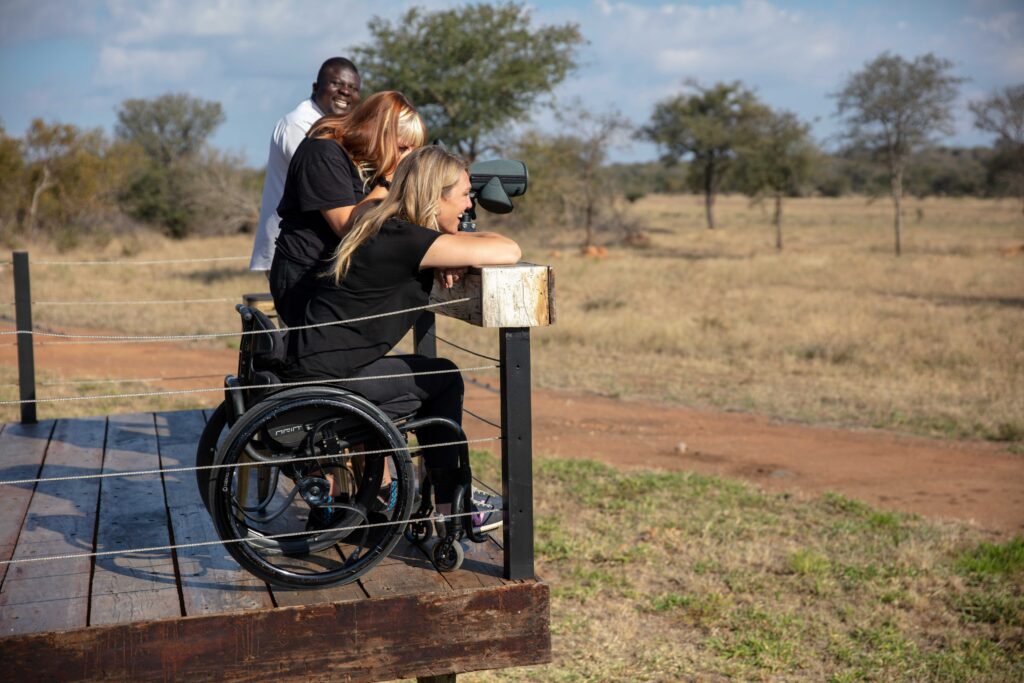
According to the company, accessible safaris are designed so wheelchair users can travel without feeling limited, with custom vehicles fitted with ramps and lodges chosen for mobility-friendly design.
The goal is simple but powerful: no family member or traveler should be left behind because of mobility challenges.
What a Wheelchair Safari Experience Looks Like
Picture landing in Nairobi, Kenya’s bustling capital, and boarding a customized safari vehicle designed with wheelchair ramps and space for secure seating. As the city fades, the road opens into wide savannas and acacia trees, with giraffes and antelope visible before you even reach the national parks.
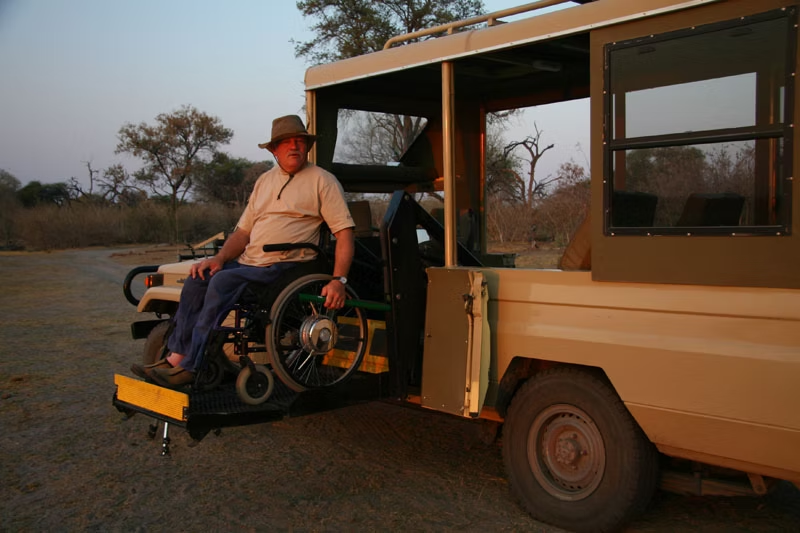
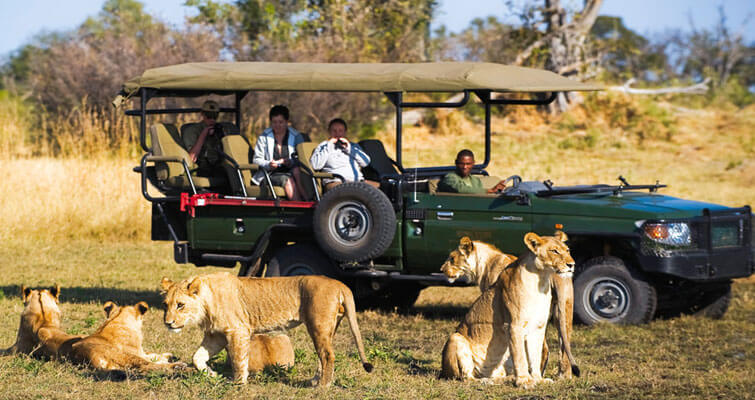
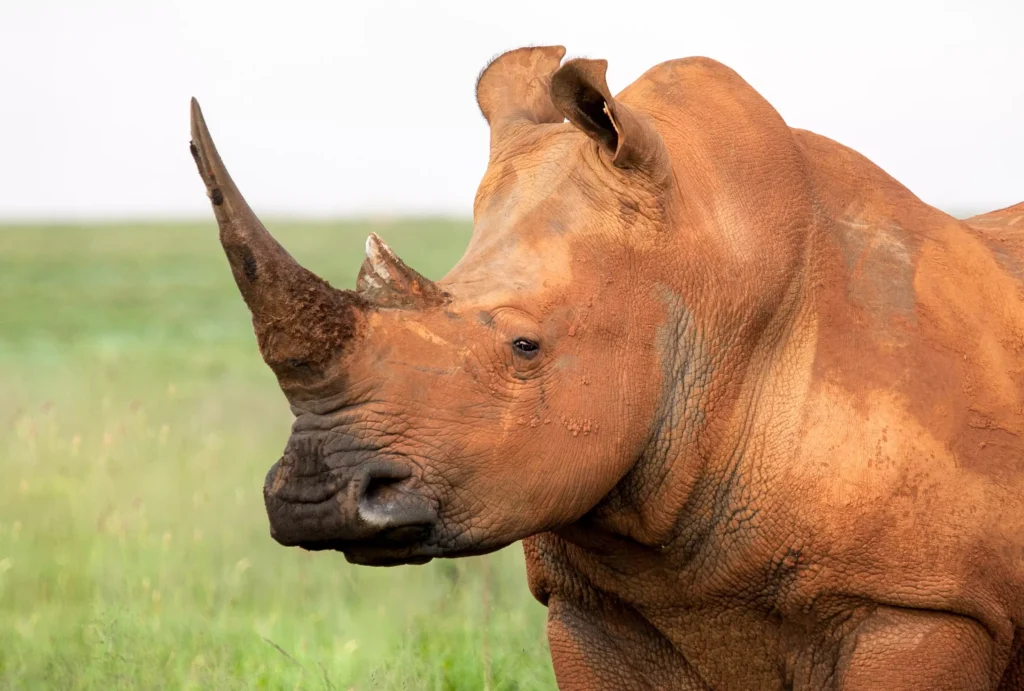
From there, travelers head into world-famous safari destinations like the Maasai Mara, Amboseli National Park, Lake Nakuru, or Tsavo. Game drives take place in the same vehicles used by traditional safari guests, but with modifications that allow wheelchair users to comfortably stay seated while viewing wildlife. The experience is not watered down—it’s the same lions, elephants, rhinos, and wildebeest migrations that make Kenya legendary.
At night, accessible lodges and luxury tented camps provide step-free rooms, adapted bathrooms, and staff trained to assist with mobility needs. Some tours even include fly-in safaris, eliminating long road transfers and making remote reserves easier to reach.
Behind the Scenes: Tailored Travel for Disabled Adventurers
Unlike standard tour packages, accessible safaris are often customized itinerary by itinerary. Lorna Safaris and similar operators plan routes, accommodations, and vehicle configurations around each traveler’s needs. Guides are trained in disability travel, ensuring that transfers, meals, and daily schedules remain stress-free.
Travel platforms and partner listings confirm that these safaris include wheelchair-accessible lodges, adapted vehicles, and staff experienced in disability travel, highlighting a growing trend toward inclusive adventure tourism in East Africa.
Why Accessible Safaris Matter
Travel is more than sightseeing—it’s identity, connection, and memory-making. Historically, people with disabilities have been excluded from remote or adventure destinations. Making safaris accessible is not just about convenience; it’s about equity and representation in global travel.
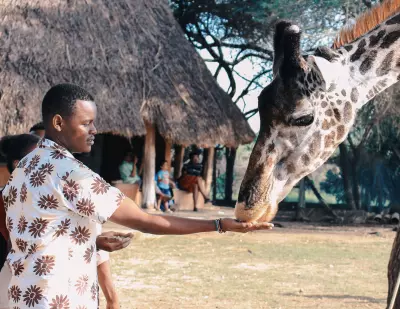
Inclusive safaris also benefit local communities. More visitors mean more jobs in guiding, hospitality, transportation, and conservation. When disabled travelers can participate, tourism becomes more diverse, sustainable, and impactful.
Challenges and Realities
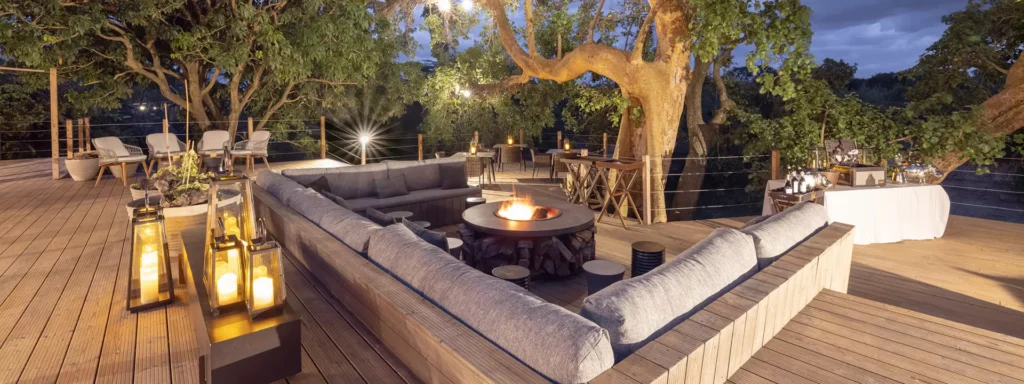
While accessible safaris are possible, they are not yet mainstream. Costs are often higher because of specialized vehicles and private guiding. Some remote camps still lack full accessibility, and terrain can be unpredictable. However, progress is accelerating, and operators specializing in disability travel are proving that inclusive safaris are not only feasible but increasingly in demand.
The Future of Wheelchair Safari Travel
Africa’s safari industry is slowly evolving from rugged adventure to inclusive luxury. With custom vehicles, accessible lodges, and dedicated tour operators, wheelchair users can now experience one of the planet’s most spectacular travel experiences.
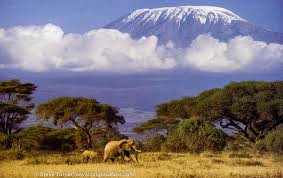
The roar of lions at sunrise, elephants silhouetted against Mount Kilimanjaro, and sunsets over the Maasai Mara are no longer reserved for the able-bodied. For wheelchair travelers, the African safari is finally becoming a reachable dream.