
Written by Andrea Needham, Eldersday.org, Sep 8, 2026
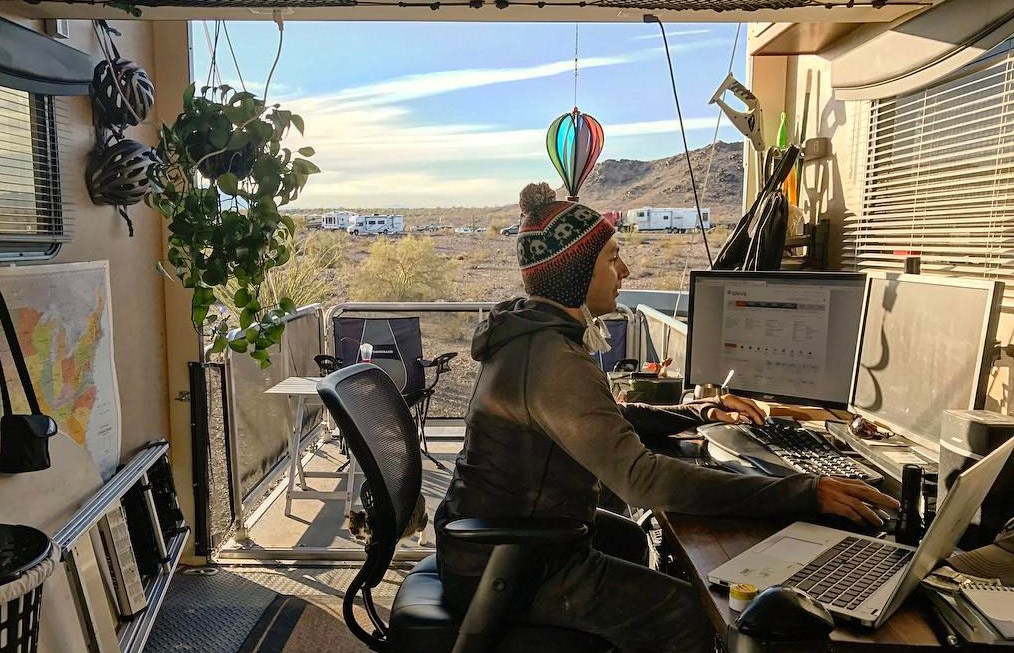
For mid-career professionals and freelancers chasing the digital nomad lifestyle, RV travel freedom can feel like the perfect reset: work from anywhere, change scenery on a whim, and keep life simpler. The core tension is real, though, remote work challenges don’t disappear on the road; they shift into living space limitations, unpredictable mobile connectivity, and travel expenses that can surprise even careful planners. When expectations stay fuzzy, the dream starts to feel stressful instead of freeing. With a grounded view of the tradeoffs, RV living can become a sustainable way to live and work.
Build Your RV-Life Plan: Housing, Budget, and Rig Fit
This quick process helps you make three make-or-break decisions before you roll out: what to do with your home, what RV life will really cost, and what kind of rig can support your actual workdays. Nailing these early keeps the lifestyle flexible instead of financially stressful.
- Choose sell vs rent using a simple decision test
Start with your timeline and risk tolerance: if you want maximum freedom and minimal ongoing responsibilities, selling is often cleaner; if you expect to return soon or want to keep a foothold, renting may make sense. Factor in market conditions too, since tight for-sale inventory can influence how quickly you could sell and what you might net. - Sketch a realistic “month on the road” budget
Write down the non-negotiables first: RV payment or savings target, campground stays, fuel, groceries, insurance, maintenance, and your phone and internet plan. Then add the variable items that sneak up, like laundry, propane, tolls, and occasional coworking passes so your budget reflects real life, not best-case weeks. - Price the upfront travel costs before your first departure
List one-time setup expenses: buying the RV, registration, a basic tool kit, hoses and adapters, a surge protector, and an initial maintenance check. Add a buffer for the first month because it is common to spend more while you learn your rhythm and fix small surprises. - Match RV type to how you work, not how it looks
Pick the top two ways you actually work (video calls, deep-focus writing, frequent client meetings, lots of gear), then shortlist RV types that support that. For example, a travel trailer can offer more living space for the money, while a Class B van can be easier to move but may challenge your workspace and noise control. - Build a remote-work feature checklist and compare rigs
Confirm the essentials: a dedicated desk spot, enough power outlets, quiet ventilation, and storage that keeps work gear accessible without constant reshuffling. Prioritize connectivity options too, since rental household growth reflects a broader shift toward flexible living that makes reliable work setups a practical advantage.
Build Remote-Ready IT Skills With Flexible Online Learning
Once you’ve chosen a rig and budget that can support your work, you can also keep moving your career forward while you travel. Earning a degree online can help you advance your skills and open up new career opportunities without putting RV life on pause; here’s a full explainer to help you understand what that path looks like. Because online programs are built for flexibility, it’s often easier to work full-time and still keep up with classes and deadlines. If you’re aiming for more remote-friendly options, an IT degree can help you build career-relevant skills in information technology, cybersecurity, and more.
Run Smooth Days on Wheels: Safety, Systems, and Client Flow
When your home and office share the same wheels, small systems do a lot of heavy lifting. Use these routines to stay safe, protect your budget, and keep client work steady, no matter what state you wake up in.
- Drive like you’re hauling a fragile office: Before you pull out, do a 5-minute walk-around: tires (look for low/flat), lights, steps/doors latched, awning locked, and anything inside that could become a projectile. Keep your “arrival brain” from making risky choices by setting two rules: stop driving before dark when possible, and take a break every 2 hours to reset focus. When winds pick up or you feel rushed, slow down early and leave extra following distance, RV stopping space is no joke.
- Run a simple maintenance cadence (and book one annual check): Create a recurring schedule for tire pressure checks (weekly when moving), fluid checks (every travel day), and a quick leak/sniff check under sinks and around the water bay (on arrival). Keep a small “what changed?” note in your phone after each drive, new vibration, strange smell, or temp gauge behavior, so you don’t forget details later. A maintenance strategy that includes a comprehensive professional inspection helps catch issues before they become expensive, trip-ending surprises.
- Make a predictable money plan that supports your learning goals: If you’re stacking online classes or certifications on the road, your budget needs to be boring (in a good way). Set three buckets: fixed costs (insurance, payments), variable travel costs (fuel, campsites), and “career runway” (courses, exam fees, a replacement laptop fund). Once a week, reconcile receipts and note cost-per-mile for the last leg, if it spikes, slow your travel pace for the next week to recover.
- Use a “workday anchor” routine that survives travel days: Pick two non-negotiable work blocks you can keep even when moving, example: 9–11 a.m. deep work, 4–5 p.m. admin. On driving days, downgrade expectations: schedule only light tasks (inbox triage, planning, documentation) and protect one short focus sprint after setup. This keeps your remote learning plan and client commitments from collapsing every time you relocate.
- Pre-plan logistics like a project manager: The night before moving, confirm route grade/wind risk, fuel stops, and a backup overnight option within 30–60 minutes of your target. Arrive with enough daylight to troubleshoot hookups, and keep a “first 10 minutes” checklist: level, chock, connect power, confirm water, quick interior reset. Small planning habits prevent late arrivals, missed meetings, and stressful setup.
- Communicate with clients using repeatable templates and clear availability: Send a weekly “where I’ll be + what I’m shipping” message: your working hours, any travel/offline windows, and the top 2–3 deliverables. Use one channel for urgent items and define what “urgent” means, so you’re not reacting to pings while merging onto a highway. Teams that prioritize improving client communication often see real business upside, and you’ll feel it immediately in fewer surprises and smoother approvals.
RV Digital Nomad Questions People Ask Most
Q: How do I keep reliable internet when I’m moving around a lot?
A: Use a two-layer plan: a primary hotspot plus a backup option on a different carrier. Before you roll in, check coverage maps and plan one “known good” work location nearby like a library or coworking space. For video calls, schedule them when you can stay parked and plugged in.
Q: What remote work tech is actually essential in an RV?
A: Prioritize a solid laptop, noise-canceling headset, external monitor, and a power plan that includes surge protection and battery backup. Keep one small “go-bag” with your hotspot, chargers, and headphones so you can work from a picnic table if needed. A simple, comfortable setup matters, and personalizing this space can make long days feel easier.
Q: What kinds of jobs are realistic for RV-based remote work?
A: Roles with clear deliverables travel best: writing, design, bookkeeping, customer support, QA testing, tutoring, and many tech jobs. If your work is mostly solo output, it can be a strength since individual focused tasks often perform well remotely. Start by building a small portfolio and applying to 10 to 15 targeted roles weekly.
Q: Can I stay financially stable if campsite and fuel costs swing?
A: Yes, if you build a buffer and slow your pace when expenses climb. Aim for one month of living costs in cash, then grow it to three. Choose longer stays more often, and treat big repairs as “expected someday” by saving a little each paycheck.
Q: How do I avoid burnout when my home and office are the same tiny space?
A: Create clear “on” and “off” cues: a start ritual, a shutdown checklist, and a short walk in between. Protect at least one screen-free block daily, even if it is just dinner and a sunset. Balance is easier when you plan rest like it is a meeting.
Turn RV Remote-Work Dreams Into One Simple Plan
The hardest part of the planning RV digital nomad journey is the mix of excitement and “what if I miss something?” stress that can stall momentum. A calm approach, clear setting travel goals, simple action planning, and steady commitment to a mobile lifestyle, keeps reducing transition anxiety without pretending it isn’t real. When the plan is broken into small decisions, remote work feels portable, finances feel trackable, and the road starts to look like a schedule you can actually live with. Start small, stay consistent, and let the road teach the rest.
Leave a Reply