What to Know Before You Go
Written by Chillie Falls, AccessAdventure.net, February 27, 2026
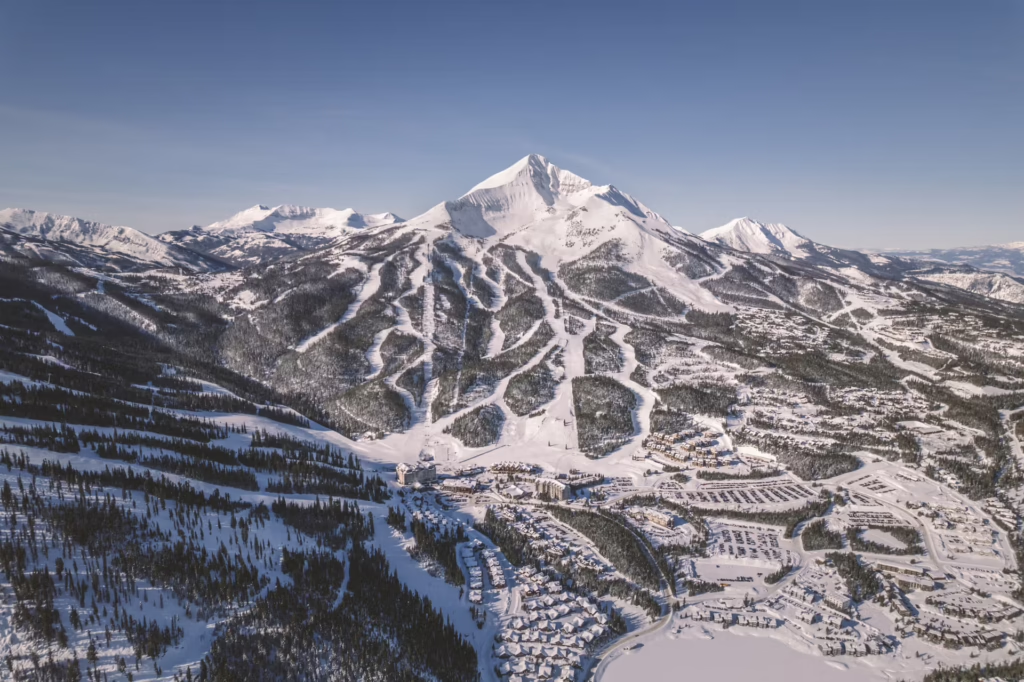
Big Sky Resort in Big Sky, Montana, is one of the largest mountain resorts in North America, offering dramatic Rocky Mountain scenery and year-round activities. For wheelchair users, the resort can be an exciting and rewarding destination, but it requires thoughtful planning — especially in winter. Accessibility continues to improve across lodging, base areas, dining, and adaptive recreation.
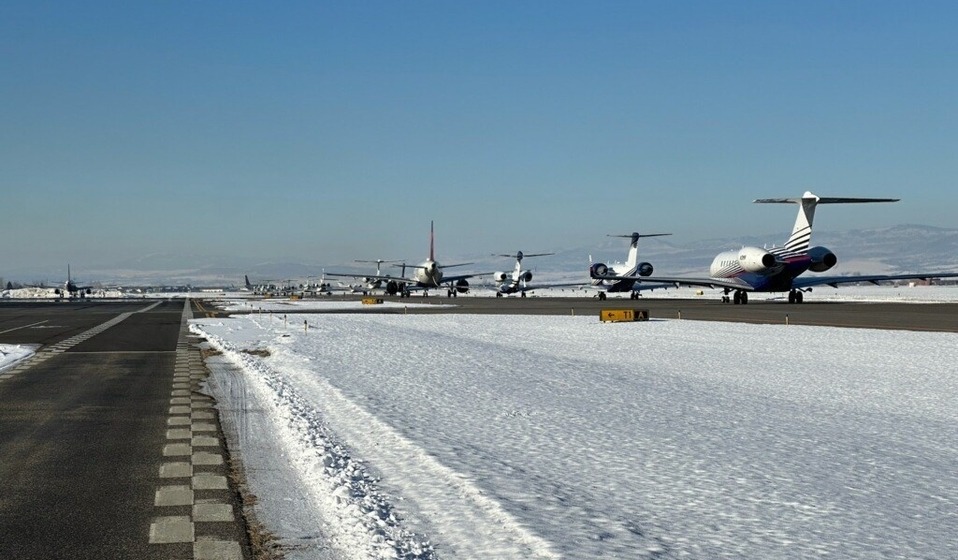
Most visitors arrive via Bozeman Yellowstone International Airport, about an hour away in Bozeman. Booking accessible transportation in advance is essential, particularly during ski season when demand is high. Not all shuttle operators offer wheelchair-accessible vehicles, and winter weather can affect road conditions. If renting a vehicle, reserve an accessible van early. Upon arrival at the resort’s Mountain Village base area, guests will find paved pathways, ramped entrances, and elevator access in major buildings, though heavy snowfall can temporarily narrow walkways and make independent mobility more challenging.
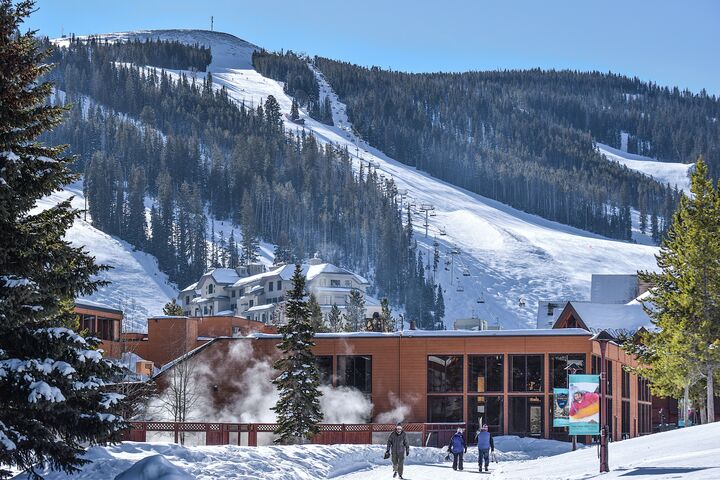
Accessible lodging is available but varies by property. The Summit Hotel offers ADA guest rooms with roll-in showers, elevator access, and ski-in/ski-out convenience. Huntley Lodge, centrally located in Mountain Village, includes select accessible rooms with widened doorways and grab bars. The Village Center features condo-style accommodations, some with accessible kitchens and bathrooms. Because many units are individually owned, it’s important to confirm specific measurements such as door widths, turning radius, shower type, and bed height rather than relying solely on an “accessible” label.
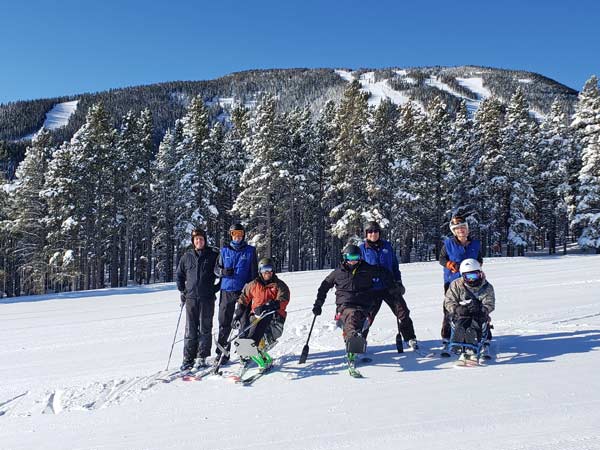
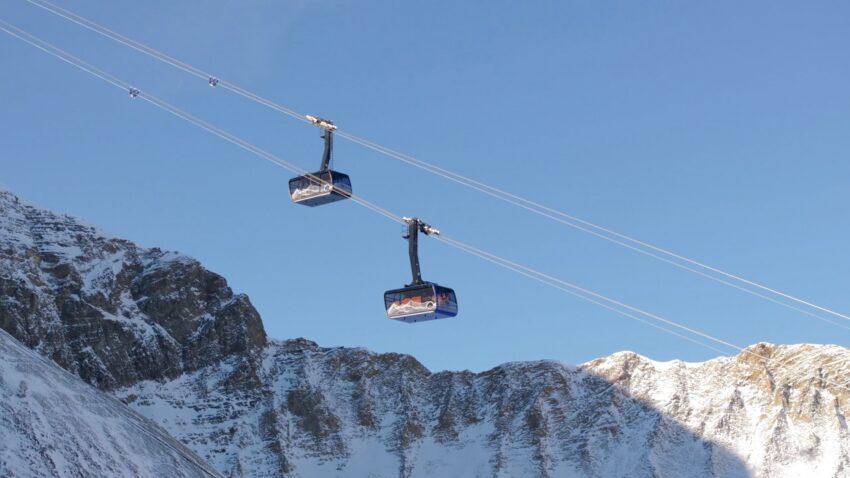
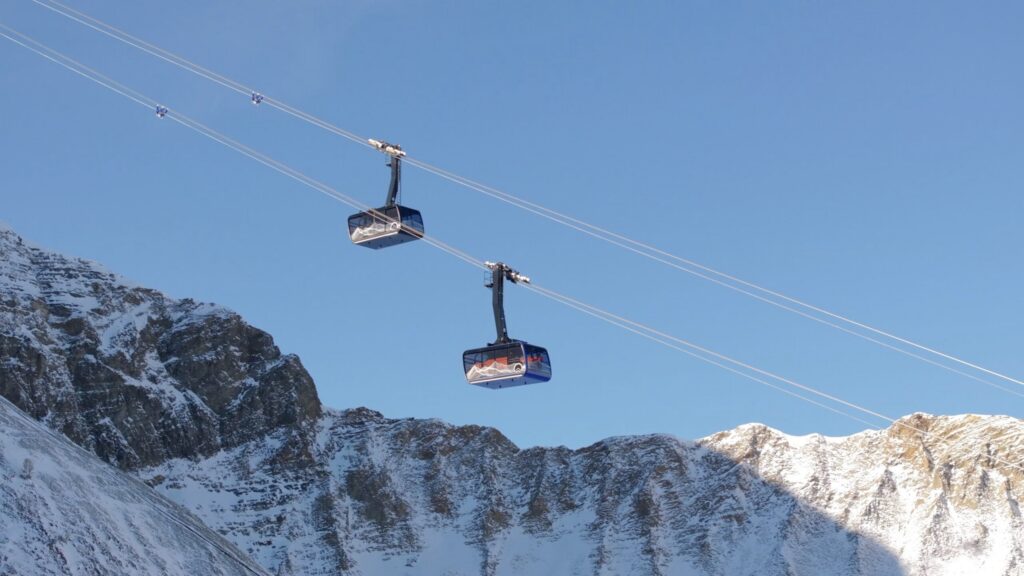
Winter travel to Big Sky is very possible thanks to adaptive ski programming. The resort partners with Eagle Mount, a nonprofit that provides adaptive ski lessons using sit-skis, bi-skis, outriggers, and trained instructors for one-on-one support. Reservations should be made well in advance, especially between December and March. Many base lifts have ramped access, and gondolas are typically easier for adaptive loading than traditional chairlifts. Lift operators are trained to slow or stop lifts to accommodate adaptive equipment. Snow conditions, however, can impact movement between buildings, and extra time should be built into daily plans.
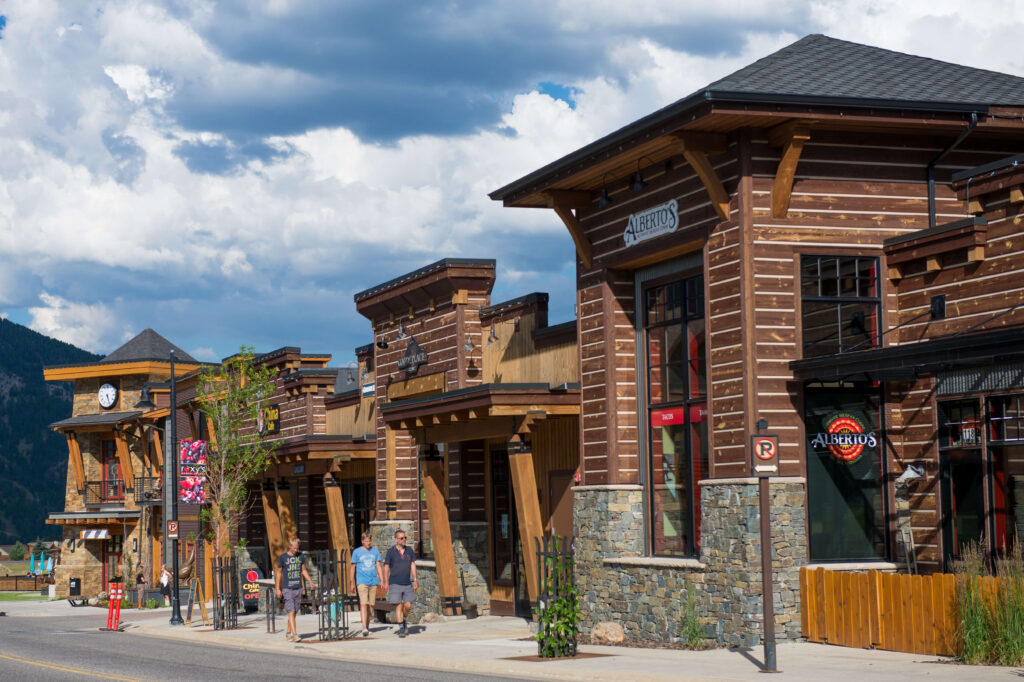
Summer tends to be the easiest season for wheelchair users to navigate the resort. Clear pavement replaces snow-packed paths, and Mountain Village becomes highly walkable with smooth pedestrian areas, outdoor concerts, and accessible dining patios. Scenic lift rides operate during the warmer months, offering mountain views from accessible base areas, though terrain at higher elevations may limit full summit access depending on conditions. Overall, summer provides a more relaxed and mobility-friendly experience.
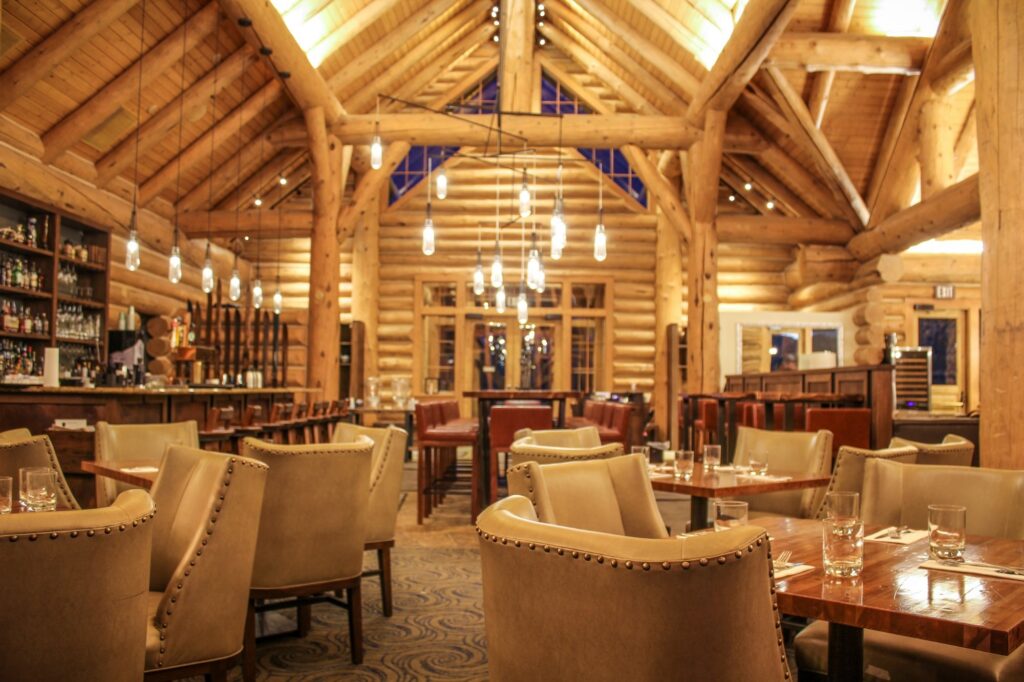
Dining throughout Mountain Village is generally accessible, with step-free entrances and accessible restrooms in primary buildings. Patio seating is common in warmer months. During winter, snow buildup can make transitions between restaurants slightly more difficult, but staff are typically helpful with doors and seating arrangements when needed.
Accessible parking spaces are available in surface lots and garages near the base area. In winter, snowbanks can narrow access aisles, so calling ahead for guidance on the most convenient lot can be helpful. Public restrooms in base lodges are accessible, and major lodging buildings include elevators. Upper-mountain facilities may be more limited due to natural terrain constraints.
Overall, Big Sky Resort offers a growing level of accessibility in a stunning alpine setting. Wheelchair users who plan ahead — confirming lodging details, reserving adaptive programs early, and accounting for seasonal conditions — will find a welcoming environment with unforgettable scenery. Summer travel provides the smoothest navigation, while winter adventures are absolutely achievable with the right preparation.