Written by Chillie Falls, AccessAdventure.net, January 8, 2026

Raleigh, North Carolina, may be known for its Southern charm, tree-lined streets, and thriving arts scene, but what often surprises visitors is just how accessible the city is. As the state capital and home to world-class museums, universities, and parks, Raleigh has invested heavily in inclusive design—making it a welcoming destination for wheelchair users and travelers with mobility needs.
From smooth sidewalks downtown to thoughtfully designed museums and parks, Raleigh offers a travel experience where accessibility feels integrated rather than added on as an afterthought.
First Impressions: Getting Around Raleigh
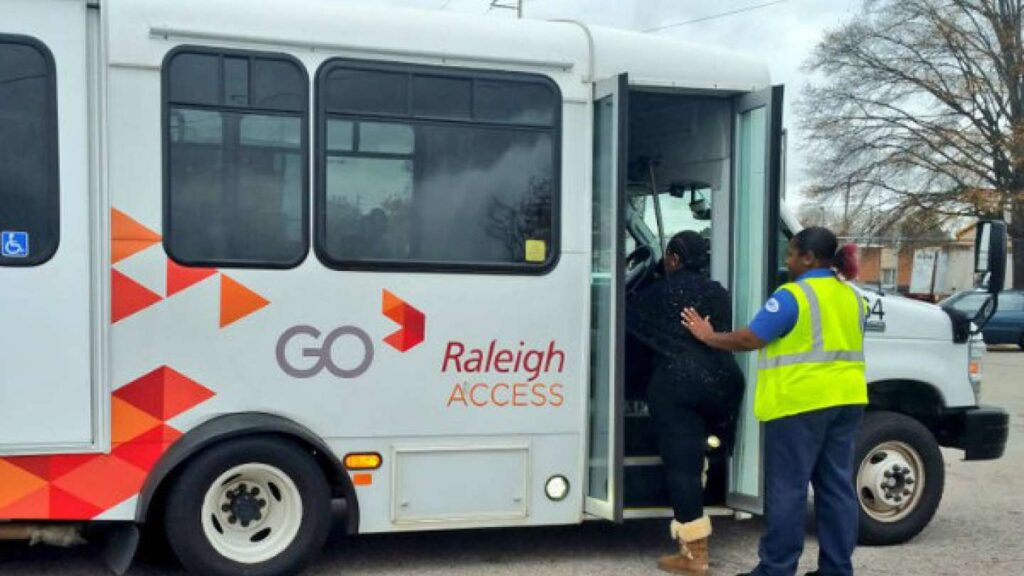
Arriving in Raleigh, the city immediately feels navigable. Downtown sidewalks are wide and well-maintained, curb cuts are common, and crosswalk signals are clear and easy to use. Public transportation is another plus—GoRaleigh buses are low-floor and ramp-equipped, while GoRaleigh Access provides paratransit service for riders who qualify and need curb-to-curb transportation.
For visitors who prefer rideshare services, wheelchair-accessible vehicles can often be requested through popular apps, especially in central areas. Renting an accessible vehicle is also an option, making it easy to explore beyond downtown.
🚍 Public & Paratransit Transport
- GoRaleigh Access paratransit service is available for riders with disabilities. Trips must be scheduled in advance (1–14 days). Raleigh NC
- Standard GoRaleigh buses have wheelchair ramps/low floors for boarding.
🚗 Ride Services & Taxis
- Rideshare services in Raleigh (Uber/Lyft) allow riders to request wheelchair-accessible vehicles in many cases — check in-app options.
Where to Stay: Accessible Comfort
Raleigh’s hotel scene is refreshingly accommodating. Many major hotel brands offer ADA-compliant rooms with roll-in showers, grab bars, lowered fixtures, and elevator access throughout the property.
Downtown hotels place you close to museums, restaurants, and cultural attractions, while North Hills and Crabtree Valley offer quieter stays with easy parking and modern accessibility features. No matter where you choose, it’s wise to call ahead and confirm specific room layouts—but overall, Raleigh makes finding accessible lodging simple and stress-free.
Top Accessible Stays:
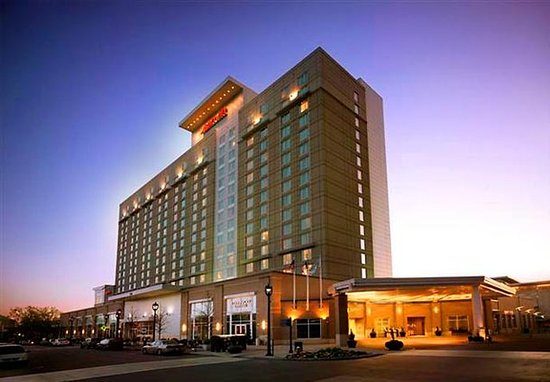
- Raleigh Marriott City Center – Downtown convenience, elevators, ADA rooms
- Hampton Inn & Suites Raleigh/Crabtree Valley – High reviews & accessible amenities
- Holiday Inn Express Raleigh, NE Medical center – Value friendly with ADA rooms
- La Quinta Inn & Suites by Wyndham Raleigh Downtown North – Affordable central location

- The StateView Hotel, Autograph Collection – Stylish option near NC State
- Home2 Suites by Hilton Raleigh North I‑540 – Spacious suites, accessible design
💡 Many chain hotels provide roll-in showers, grab bars, and visual alarms — request these when booking.
Culture Without Barriers: Museums and Arts
One of Raleigh’s biggest highlights is its museum scene, and it’s also where the city truly shines in accessibility.

The North Carolina Museum of Natural Sciences feels purpose-built for inclusive exploration. Automatic doors, elevators, accessible restrooms on every floor, and wide exhibit pathways make it easy to navigate. Complimentary wheelchair rentals are available, and accessible seating is provided in theaters and interactive spaces. Whether you’re fascinated by dinosaurs, wildlife, or hands-on science exhibits, this museum is a must-visit—and it’s free.

Just across town, the North Carolina Museum of Art blends creativity with thoughtful design.
Visitors can borrow both manual and motorized wheelchairs at no cost, explore galleries via elevators and smooth flooring, and enjoy accessible tours with advance notice. Even the outdoor art park features paved paths that allow wheelchair users to experience large-scale installations in a natural setting.

Smaller venues like CAM Raleigh continue the trend, offering ramped entrances, accessible restrooms, and open gallery layouts that make contemporary art approachable for everyone.
Fresh Air and Green Spaces
Raleigh is often called the “City of Oaks,” and its outdoor spaces are just as welcoming as its indoor attractions.

Pullen Park, one of the oldest amusement parks in the country, is surprisingly modern when it comes to accessibility. Paved paths wind through the park, accessible rides are available, and picnic areas are easy to navigate. It’s an ideal place for a relaxed afternoon surrounded by history and greenery.

For wide-open views and peaceful strolling, Dorothea Dix Park offers paved walkways, gentle grades, and some of the best skyline views in the city.
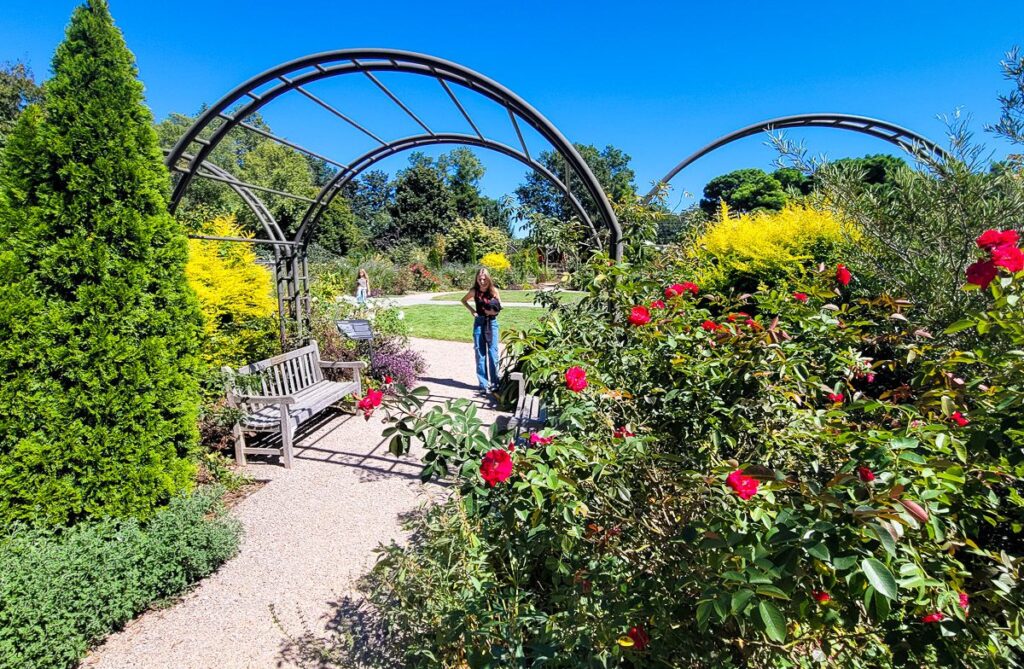
The JC Raulston Arboretum is another favorite, with beautifully maintained gardens and wheelchair-friendly paths that invite slow exploration.
Laurel Hills Park
Great for leisurely greenway walks on paved routes.
Historic Yates Mill Park (not business listed)
Offers accessible trails and a reconstructed gristmill — check path conditions if rain is forecast.
Dining and Downtown Life
Eating out in Raleigh is part of the experience, and wheelchair users will find many options that are easy to access—especially in newer or revitalized districts like Fayetteville Street, Glenwood South, and North Hills. Outdoor patios, step-free entrances, and spacious interiors are common, though checking ahead for restroom access is always a good idea.
Downtown’s compact layout means you can roll from museum to restaurant to plaza without constantly needing transportation, which adds to the city’s relaxed, traveler-friendly vibe.
A Sample Accessible Day in Raleigh
Imagine starting your morning at the North Carolina Museum of Natural Sciences, taking your time through the exhibits without worrying about tight corners or stairs. After lunch downtown, you roll through Pullen Park, enjoying the shade and watching families gather near the carousel. As evening approaches, you head to a local restaurant with outdoor seating, ending the day with live music or a performance that offers reserved ADA seating.
Raleigh doesn’t rush you—and that’s part of its appeal.
Final Thoughts: Why Raleigh Works
What makes Raleigh special isn’t just that it meets ADA requirements—it’s that accessibility feels natural here. Museums anticipate needs, parks are designed for everyone, and transportation options are flexible and reliable. For wheelchair users, that means less time planning around barriers and more time actually enjoying the destination.
Whether you’re visiting for a weekend getaway, a cultural escape, or a longer stay in North Carolina’s capital, Raleigh proves that inclusive travel can be both seamless and memorable.
Suggested Wheelchair-Friendly Itinerary
Day 1 — Explorer Day
- Morning: North Carolina Museum of Natural Sciences
- Lunch: Downtown café with outdoor seating
- Afternoon: Pullen Park stroll & ride the historic carousel
- Evening: Dinner in Glenwood South
Day 2 — Art & Nature
- Morning: NC Museum of Art (wheelchair rentals available)
- Lunch: Picnic at Dorothea Dix Park
- Afternoon: JC Raulston Arboretum visit
- Evening: Accessible performance at a local theater (call ahead for ADA seating)