
Written by Chillie Falls, AccessAdventure.net, December 26, 2025

Japan is widely known for its clean cities and efficient public transport, but how accessible is it for wheelchair users outside major metropolitan areas? Gifu Prefecture, located in central Japan, offers a growing number of barrier-free facilities, accessible cultural sites, and thoughtful local initiatives that make travel increasingly possible for people with mobility needs. This blog explores wheelchair accessibility in Gifu and suggests practical itineraries and attractions for an inclusive travel experience.
Understanding Accessibility in Gifu Prefecture
Gifu Prefecture has embraced Japan’s national barrier-free policies, which aim to create environments usable by everyone, regardless of physical ability. These efforts are visible in public buildings, transportation hubs, and tourist information services.
Local governments operate initiatives such as:
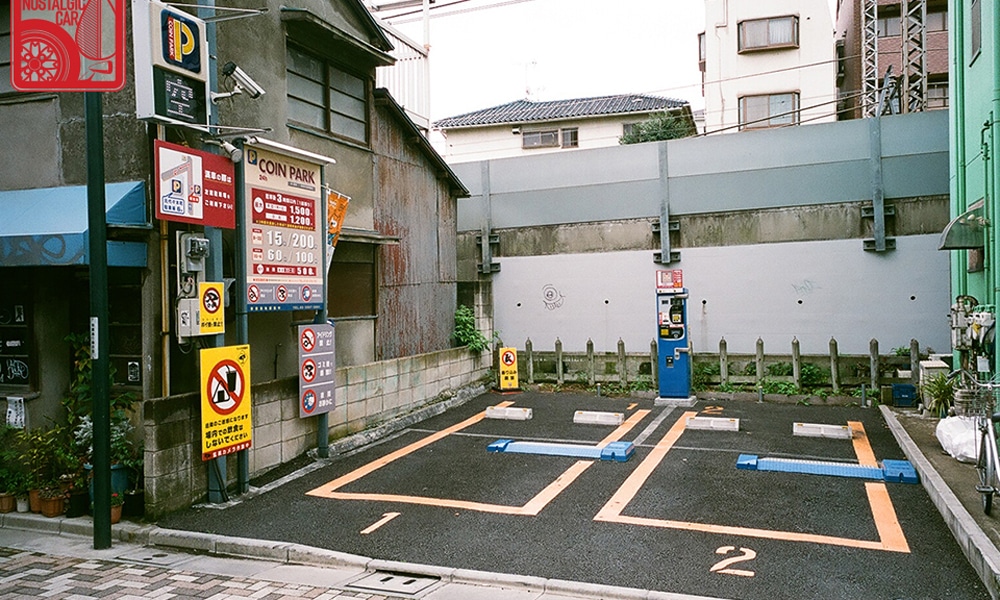
- Designated accessible parking permit systems
- Barrier-free maps and mobile apps showing accessible toilets and facilities
- Public websites designed to meet accessibility standards
Urban areas like Gifu City and Takayama are generally more accessible than rural mountain villages, but even smaller towns are gradually improving infrastructure.
Wheelchair-Friendly Attractions in Gifu
 Cultural & Educational Facilities
These locations are well-suited for wheelchair users and offer accessible toilets, ramps, elevators, and staff assistance.
- Gifu Prefectural Art Museum (Gifu City)
Wide exhibition spaces, step-free routes, wheelchair rentals, and accessible restrooms make this museum easy to navigate and enjoyable.
.jpg)
- Gifu Prefectural Library (Gifu City)
Fully barrier-free with elevators, low service counters, tactile paving, and spacious seating areas. - Nagaragawa Convention Center
Step-free access throughout, elevators, wheelchair seating in halls, and accessible restrooms.
 Scenic & Outdoor Spots (Partially Accessible)
While historic and natural sites may have uneven terrain, some areas are still manageable with planning.
- Nagaragawa Riverside Area
Paved walking paths along the river offer scenic views and relatively smooth wheelchair navigation.

- Takayama Old Town (Sanmachi Suji)
Some streets are flat and navigable, though surfaces can be uneven. Many shops are small, but staff are often helpful.
Accessible Transportation in Gifu
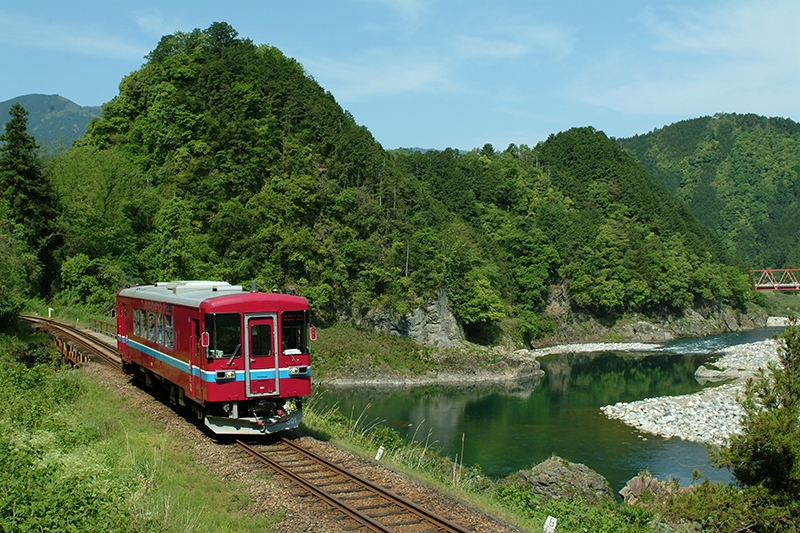
- Rail Travel: Major stations such as JR Gifu Station and JR Takayama Station have elevators and staff assistance for boarding trains.
- Buses: Low-floor buses operate in cities, though coverage is more limited in rural areas.
- Sidewalks & Crossings: Urban centers generally have curb cuts, tactile paving, and audible signals.
 Tip: Contact train stations in advance to arrange boarding assistance—it’s free and very reliable in Japan.
Sample Wheelchair-Accessible Itineraries
 1-Day Accessible Itinerary: Gifu City
Morning
- Arrive at JR Gifu Station (elevator access available)
- Visit Gifu Prefectural Library for a relaxed start
Afternoon
- Lunch at a barrier-free restaurant near the station
- Explore the Gifu Prefectural Art Museum
Evening
- Stroll (or roll!) along the Nagaragawa River
- Dinner at an accessible riverside restaurant
2-Day Accessible Itinerary: Takayama (with Planning)
Day 1
- Travel to JR Takayama Station
- Visit accessible museums near the station
- Explore flatter sections of Old Town
Day 2
- Enjoy local markets (some stalls are accessible)
- Relax at a café with step-free entry
- Return via train with staff assistance
 Note: Some historic buildings have steps, so it’s best to check ahead or ask staff for alternative entrances.
Accommodation & Planning Tips
- Accessible hotels are available in Gifu City and Takayama, but rooms are limited—book early.
- Always check:
- Door widths
- Bathroom layout
- Elevator access
- Tourist information centers are generally helpful and accustomed to accessibility questions.
Strengths and Challenges
 Strengths
- Strong public commitment to barrier-free design
- Accessible museums, libraries, and public buildings
- Reliable assistance at train stations
- Growing availability of accessibility information
Challenges
- Rural and historic areas may have uneven terrain
- Fewer accessible transport options outside cities
- Limited detailed accessibility info for some attractions
Final Thoughts
Gifu Prefecture may not yet match Tokyo or Osaka in accessibility, but it offers a welcoming environment with thoughtful infrastructure, helpful staff, and meaningful progress toward inclusive tourism. With advance planning, wheelchair users can enjoy Gifu’s culture, scenery, and hospitality with confidence.
Have you traveled in Gifu as a wheelchair user or accessibility advocate? Share your experience and tips to help make travel more inclusive for everyone.