Written by Chillie Falls, AccessAdventure.net, March 9, 2026
Nestled along the Tennessee River and surrounded by the foothills of the Appalachian Mountains, Chattanooga has quietly become one of the most enjoyable and accessible travel destinations in the Southeast. Once known primarily as a railroad hub, the city has reinvented itself with a lively downtown, scenic outdoor spaces, and attractions that are surprisingly friendly for wheelchair users and travelers with mobility challenges.
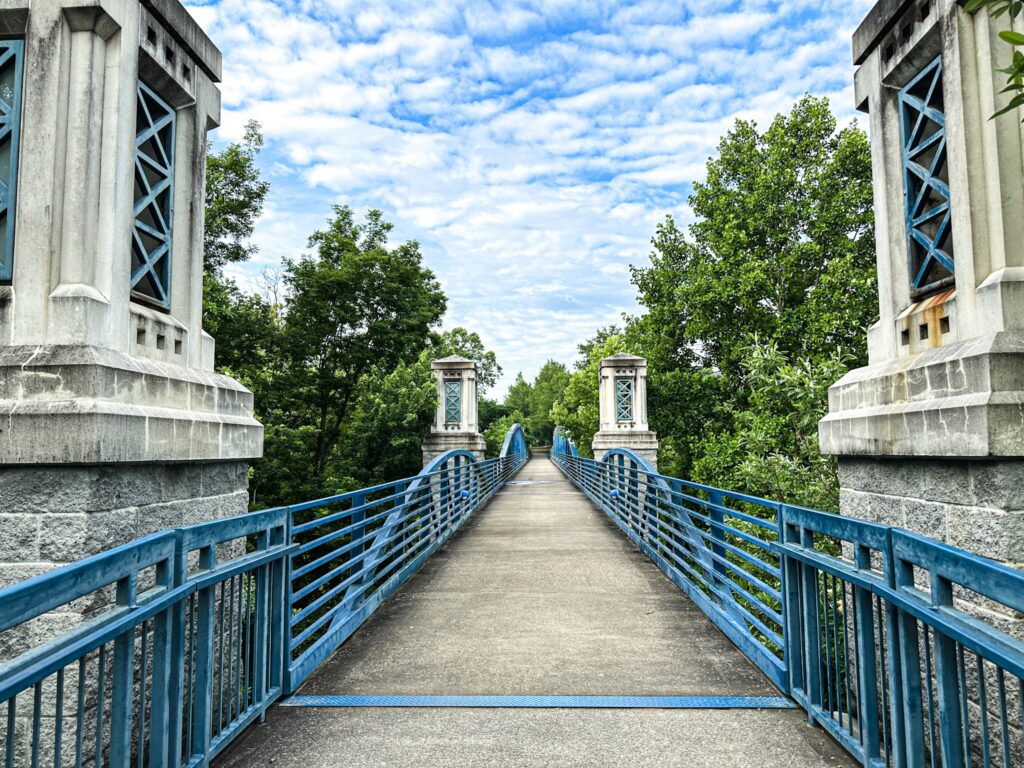
The heart of Chattanooga’s accessible experience begins along the Tennessee Riverwalk. This paved, mostly flat path stretches for miles along the river and is one of the easiest ways to explore the city at your own pace. Wide pathways, smooth surfaces, and frequent access points make it ideal for wheelchairs and scooters. Along the route, travelers will pass public art installations, riverfront parks, and scenic overlooks where you can stop and watch boats glide along the water.
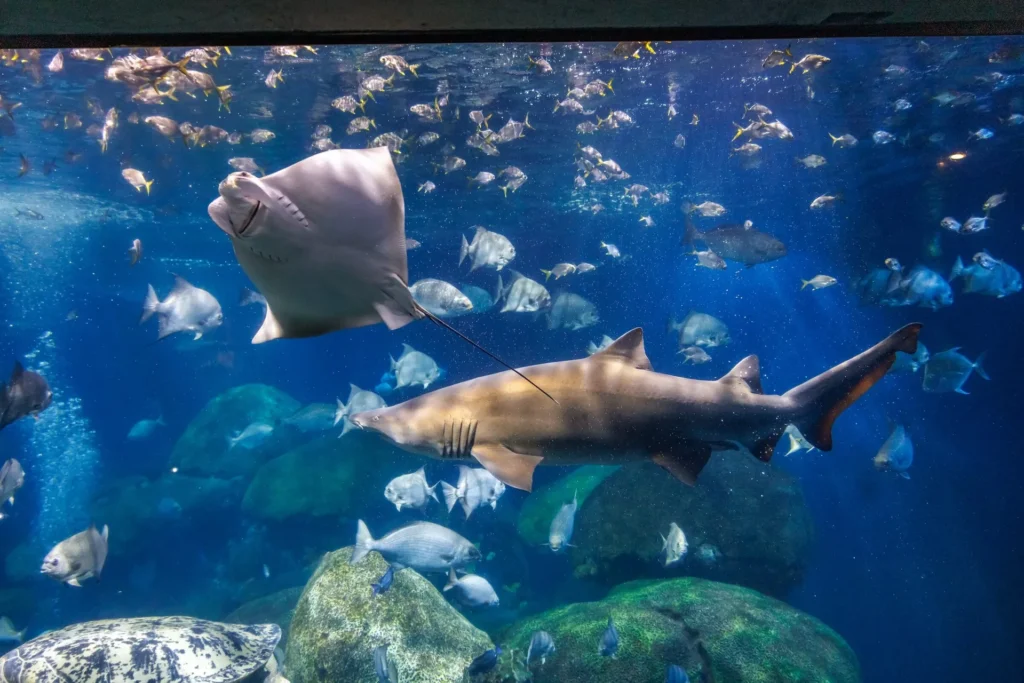
One of the most iconic attractions in the city is the Tennessee Aquarium, located right on the downtown riverfront. Consistently ranked among the best aquariums in the United States, the facility is fully accessible and thoughtfully designed. Elevators connect all floors, and the exhibits gradually guide visitors through freshwater ecosystems before transitioning to the ocean environment. Wheelchair users will appreciate the wide viewing areas and ramped pathways that make it easy to enjoy everything from playful otters to massive sharks.
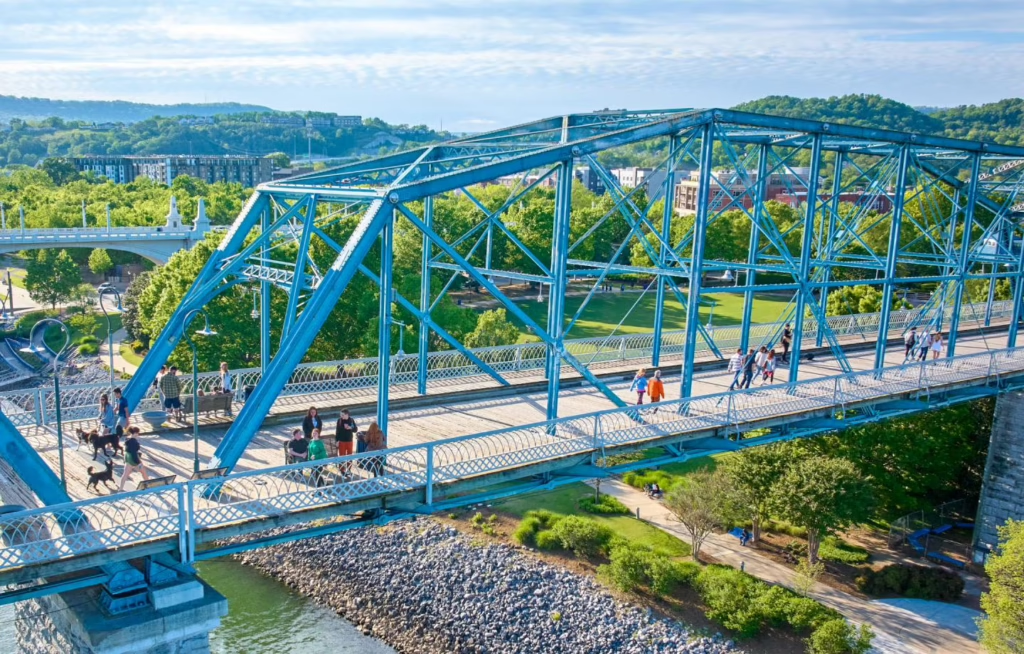
Just steps away from the aquarium is the historic Walnut Street Bridge, one of the longest pedestrian bridges in the world. The bridge connects downtown Chattanooga with the North Shore district and offers beautiful views of the river and surrounding mountains. The gradual ramps on each end make crossing manageable for most wheelchair users, and the journey itself becomes part of the experience. Street performers, food vendors, and locals enjoying evening walks often create a lively atmosphere.
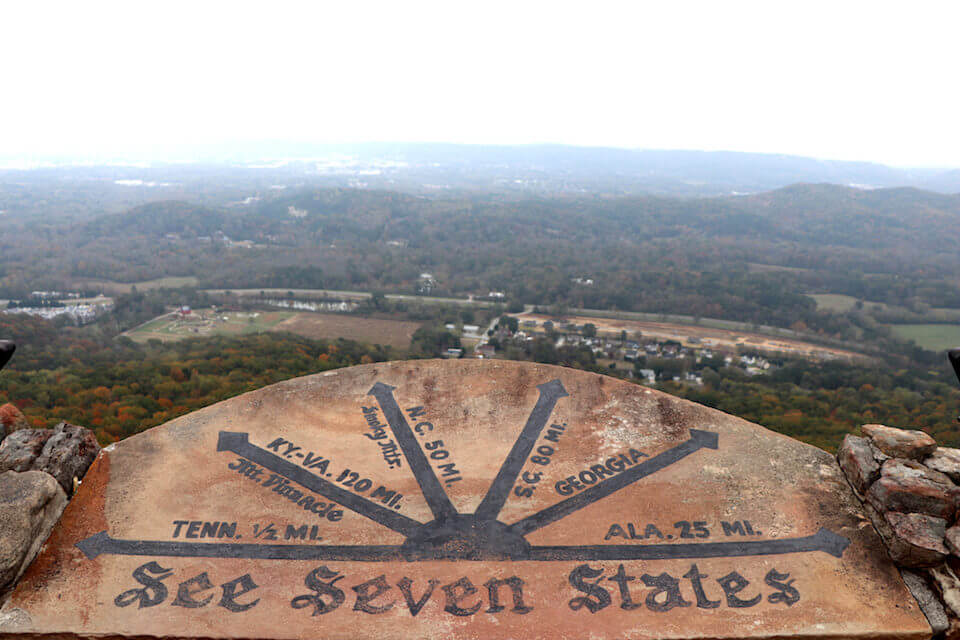
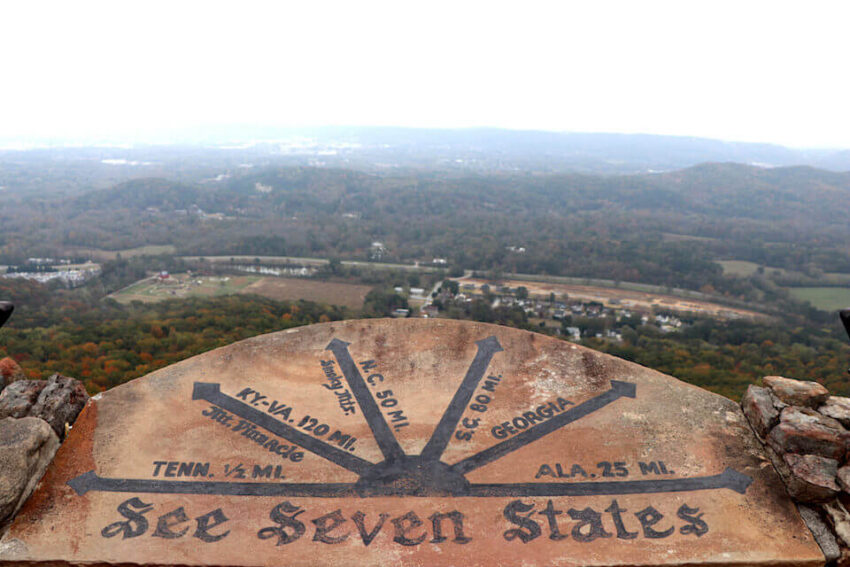
For travelers who want a mountain view without hiking, Lookout Mountain offers several accessible attractions just outside downtown. The famous Rock City Gardens features paved pathways that wind through towering rock formations, gardens, and scenic overlooks where visitors can see multiple states on a clear day. While some narrow passages exist, much of the main pathway is accessible with assistance.
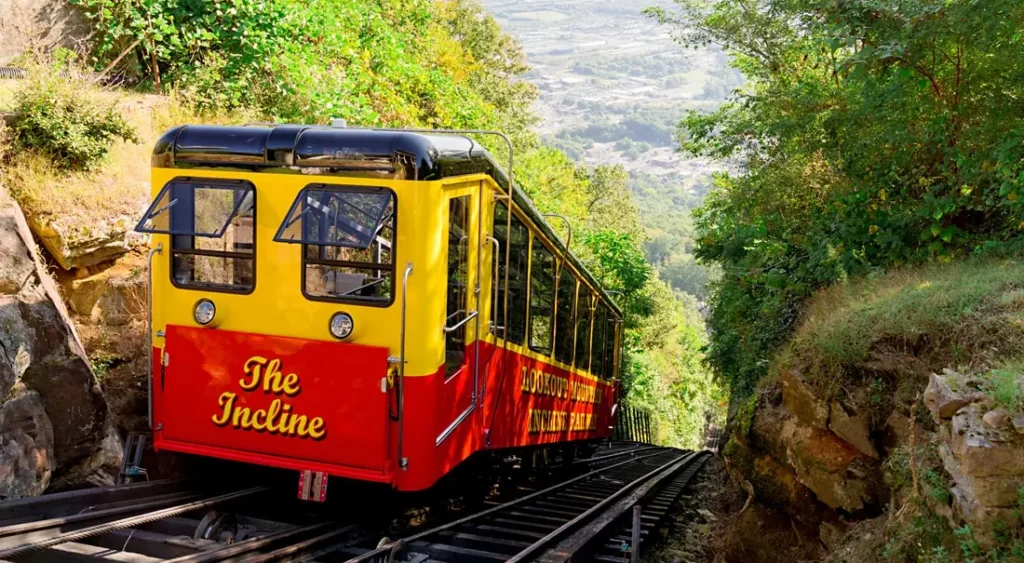
Another popular stop on Lookout Mountain is the Incline Railway. Known as one of the steepest passenger railways in the world, the incline carries visitors up the mountain while offering dramatic views of the valley below. Staff typically assist wheelchair travelers during boarding, and the ride itself becomes a memorable highlight of the trip.

The emotional atmosphere is one of community and activity, with people enjoying a leisurely day out, shopping for fresh and local products. The market setting, combined with the patriotic tent, suggests a traditional American farmers market, possibly held on a weekend or during a special event
In summary, this image captures the essence of a lively and well-attended farmers market, highlighting the community spirit, the variety of goods available, and the inviting, open space of the venue.
Chattanooga’s food scene is also welcoming and easy to navigate. Many restaurants in the revitalized Southside and riverfront districts offer step-free entrances and spacious seating. Local favorites range from Southern comfort food to modern farm-to-table dining, and the relaxed pace of the city means you rarely feel rushed.
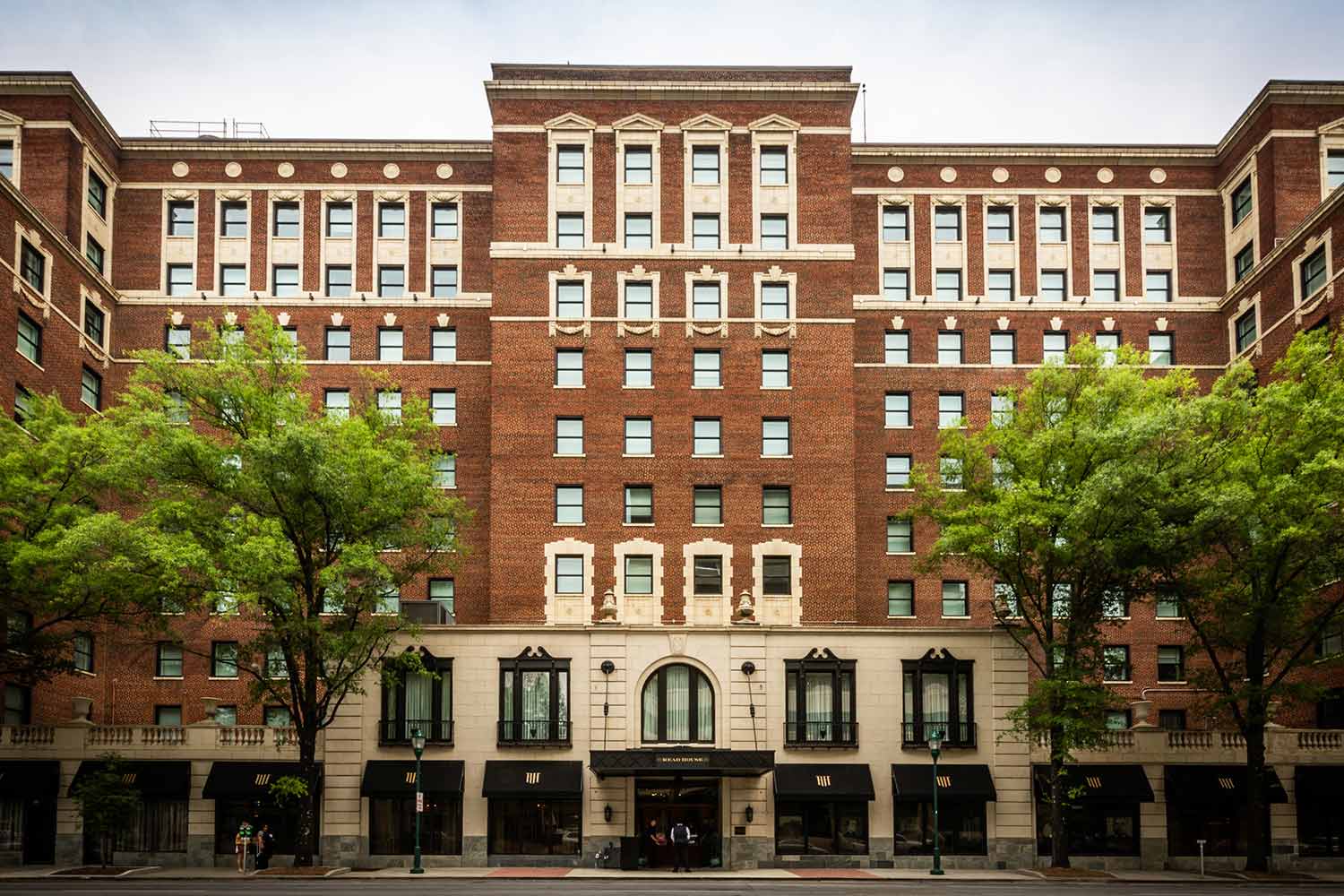
For travelers spending the night, downtown accommodations are generally accessible and conveniently located near major attractions. Properties like The Westin Chattanooga and The Read House Hotel offer ADA-compliant rooms and place visitors within a short roll or ride of the riverfront and downtown entertainment areas.
Traveling to Chattanooga
Getting to Chattanooga is relatively easy, whether you are traveling by car, plane, or bus. The city sits at the crossroads of several major highways, including Interstate 75, Interstate 24, and Interstate 59, making it a convenient road trip destination from major cities like Atlanta, Nashville, and Birmingham.
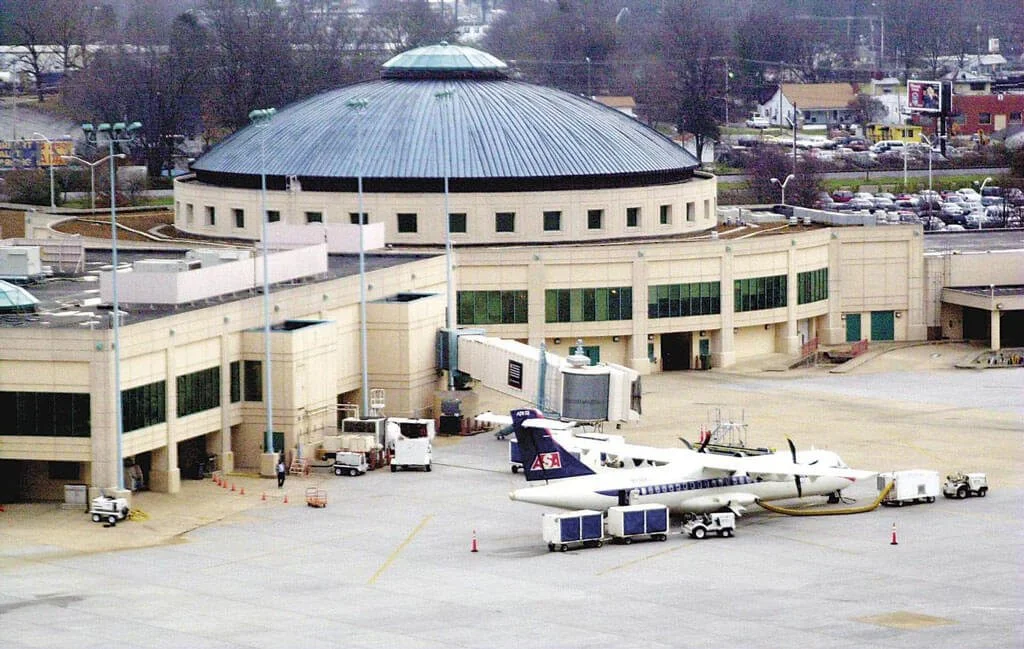
For air travelers, the closest airport is Chattanooga Metropolitan Airport, located about 15 minutes from downtown. The airport is small but easy to navigate, and it offers accessible facilities along with flights connecting through hubs such as Charlotte and Dallas.
Another option is flying into the much larger Hartsfield-Jackson Atlanta International Airport, about two hours south. Many travelers choose this route because of the wide range of flights and then rent an accessible vehicle for the scenic drive into Chattanooga.
Once in the city, getting around is straightforward. Downtown streets are generally wheelchair-friendly with curb cuts and smooth sidewalks. Visitors can also use the free electric shuttle that runs through the downtown corridor, connecting major attractions, restaurants, and hotels.
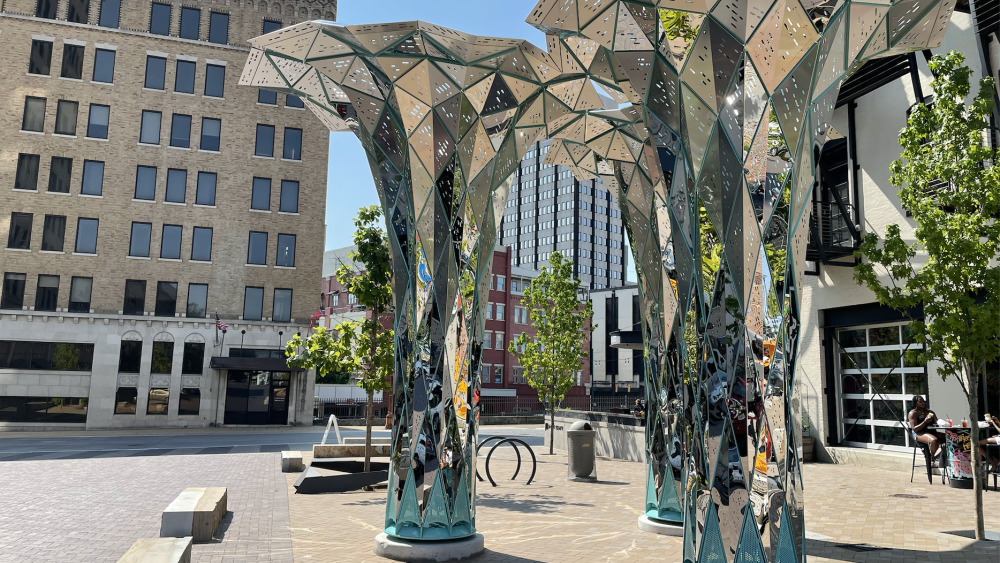
What makes Chattanooga particularly appealing is how compact and connected everything feels. Many major attractions sit within a short distance of one another, allowing visitors to enjoy the city without long drives or complicated transportation. Smooth sidewalks, scenic views, and welcoming public spaces make exploring the city feel easy rather than exhausting.

For wheelchair travelers looking for a destination that blends nature, culture, and accessibility, Chattanooga delivers a memorable experience without the crowds of larger tourist cities. Between riverfront sunsets, mountain views, and a thriving downtown, it’s a place that proves adventure and accessibility can go hand in hand.