A Detailed Accessibility Report and Inclusive Destination Experience
Written by Chillie Falls, AccessAdventure.net, January 18. 2026
Falmouth, Jamaica, is a historic port town that blends Georgian-era architecture with modern cruise tourism, and in 2026 it stands as one of the most wheelchair-friendly destinations in the country when approached strategically. Located on Jamaica’s north coast between Montego Bay and Ocho Rios,
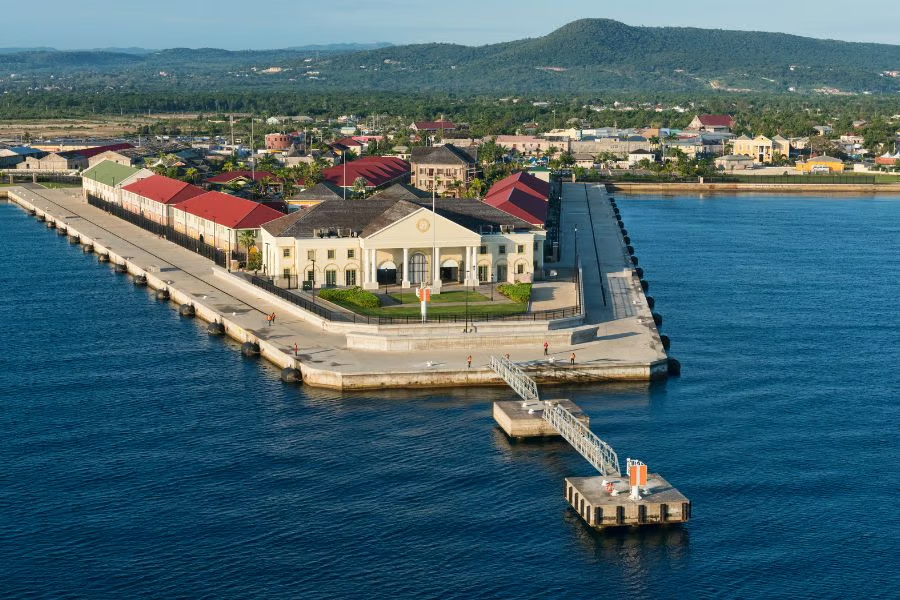
Falmouth has benefited significantly from cruise port development, which has driven improvements in sidewalks, public spaces, and tourist infrastructure. While Jamaica as a whole still lacks consistent nationwide accessibility standards, Falmouth offers a notably smoother experience for wheelchair users than many other Jamaican towns, particularly for travelers who base their visit around the port area, accessible resorts, and guided excursions.
Most wheelchair accessible journeys to Falmouth begin at Sangster International Airport in Montego Bay, which remains the primary international gateway in 2026. The airport offers wheelchair assistance,
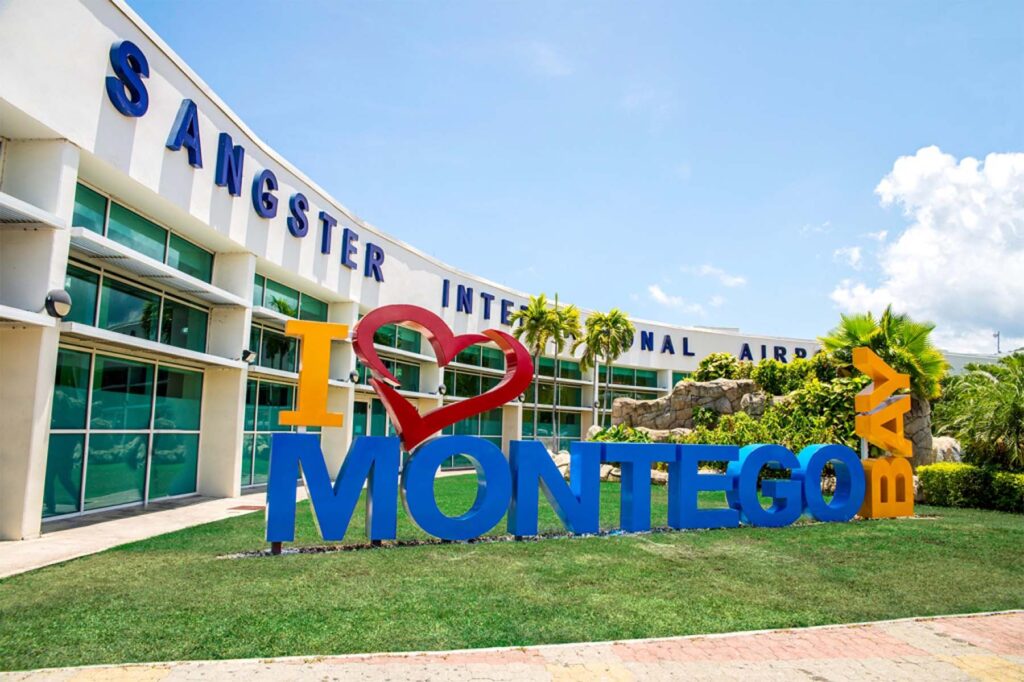
accessible restrooms, step-free boarding areas, and trained staff for passengers with disabilities. The drive from Montego Bay to Falmouth takes approximately forty minutes, making it one of the most convenient destinations on the island for travelers who require accessible transportation. Pre-arranged private wheelchair-accessible vans are strongly recommended, as standard taxis and minibuses are rarely equipped to accommodate mobility devices.
By 2026, several tour operators serving cruise passengers and resort guests offer vehicles with ramps or lifts, but advance booking remains essential.
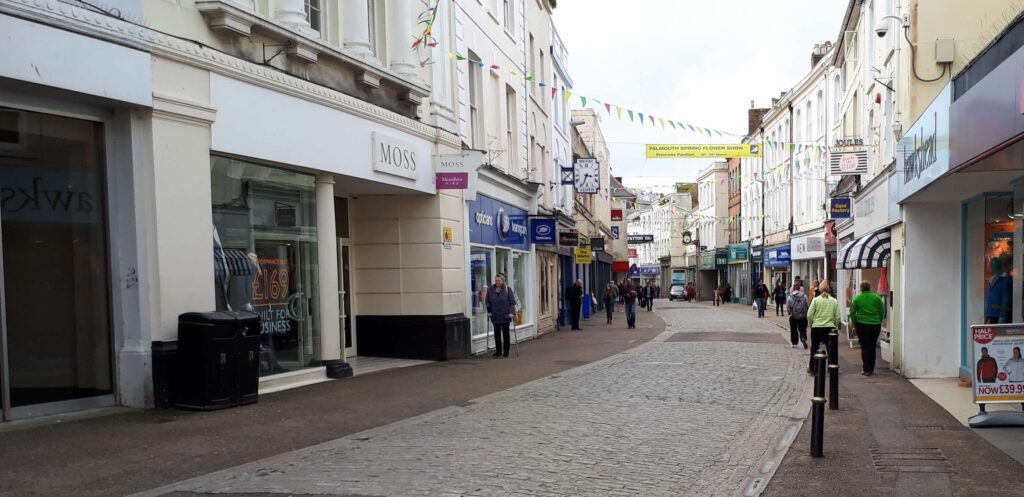
Falmouth’s town center presents a unique accessibility advantage compared to many Jamaican destinations due to its relatively flat layout and recent redevelopment. Streets near the cruise port feature smoother pavement, curb cuts, and wider sidewalks, allowing wheelchair users to explore with greater independence than in hillier areas of the island. The historic district, known for its preserved Georgian architecture, can be navigated by wheelchair with some care, though certain older buildings still have step entrances and narrow doorways. The town feels walkable and relaxed, and wheelchair travelers often find it easier to move around here than in busier resort hubs.
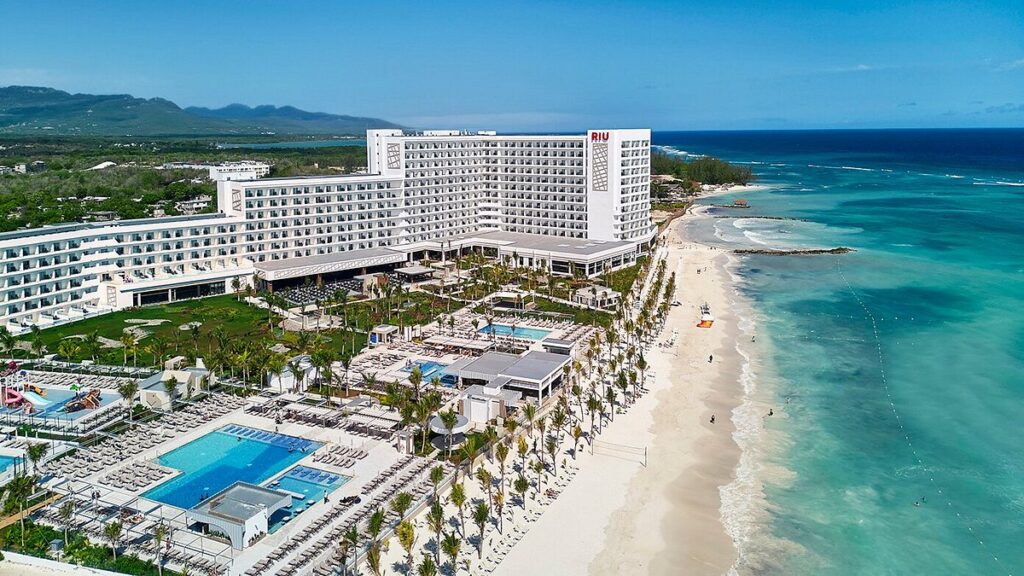
Accommodations near Falmouth are especially well-suited for wheelchair users, particularly large beachfront resorts located along the nearby corridors toward Montego Bay and Runaway Bay. Many all-inclusive resorts in this region feature purpose-built accessible rooms with roll-in showers, grab bars, lowered sinks, and step-free balcony access. Public areas such as restaurants, theaters, pools, and beachfront pathways are typically designed with level access and wide circulation routes. Pool lifts and gently sloped entries are increasingly common in newer properties, and beach wheelchairs are often available upon request, making shoreline access more realistic than in many other parts of Jamaica.
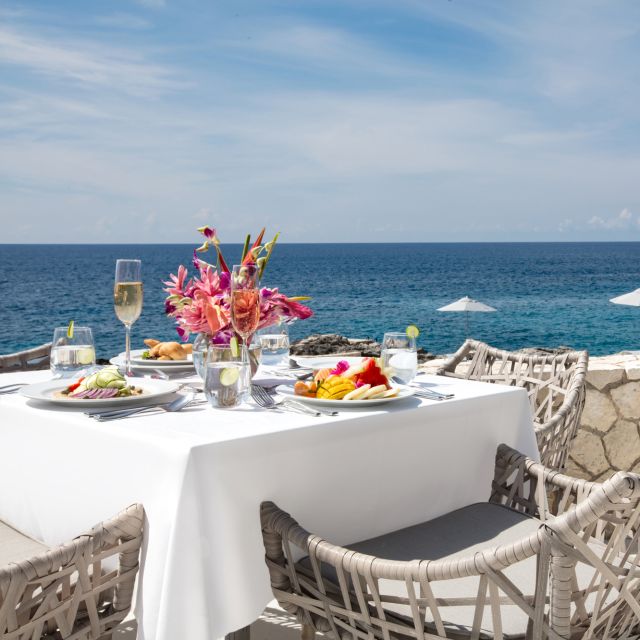
Dining in and around Falmouth reflects the town’s blend of historic charm and modern tourism. Within resorts and the cruise port complex, restaurants are generally wheelchair accessible, offering level entrances, spacious layouts, and accommodating staff. In the historic town itself, accessibility varies, as some locally owned eateries operate out of older buildings with steps or tight interiors. However, many restaurants feature open-air seating at street level, allowing wheelchair users to enjoy traditional Jamaican cuisine without barriers. Staff are typically welcoming and willing to adjust seating arrangements, reinforcing the sense that hospitality often compensates where physical accessibility is imperfect.
Falmouth’s appeal as a wheelchair accessible destination is further strengthened by its excursion options, many of which are designed with cruise passengers in mind. River cruises along the Martha Brae River are

among the most accessible experiences available, as operators often assist with boarding and provide stable seating throughout the journey. Plantation tours, rum tastings, and heritage excursions frequently

include step-free paths and accessible visitor centers, though historic structures themselves may have limited interior access. Unlike more rugged adventure destinations, Falmouth focuses on cultural, scenic, and relaxed experiences that are easier to adapt for wheelchair users.
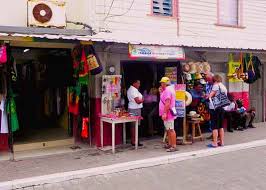
Shopping in Falmouth is particularly accessible near the cruise terminal, where modern retail spaces offer smooth flooring, wide aisles, and step-free entrances. These areas are designed to accommodate large volumes of visitors and tend to be the most wheelchair-friendly retail environments in Jamaica. Outside the port zone, traditional markets and craft stalls can be more challenging due to uneven surfaces and crowding, but they remain manageable with assistance or during quieter times of day. The sensory richness of Falmouth’s shopping scene, filled with handmade crafts, local artwork, and Caribbean music, can still be enjoyed without extensive physical movement.
Healthcare access is another important consideration for wheelchair travelers, and Falmouth offers reasonable proximity to medical facilities. Private clinics and pharmacies are available locally, and Montego Bay’s larger hospitals are within easy driving distance. Resorts are well-prepared to coordinate medical assistance if needed, and travelers with disabilities are advised to carry travel insurance that includes medical care and evacuation coverage. Bringing essential medical supplies and mobility equipment is strongly recommended, as specialized replacements may not be readily available.
What ultimately defines the wheelchair accessible travel experience in Falmouth is the balance between infrastructure and human interaction. While not every building or street is fully accessible, the town’s flat terrain, modern port development, and resort-focused tourism create an environment where wheelchair users can explore with fewer barriers than in many other Caribbean destinations. Local residents, tour operators, and hospitality staff are generally patient and helpful, contributing to a travel experience that feels welcoming rather than restrictive.
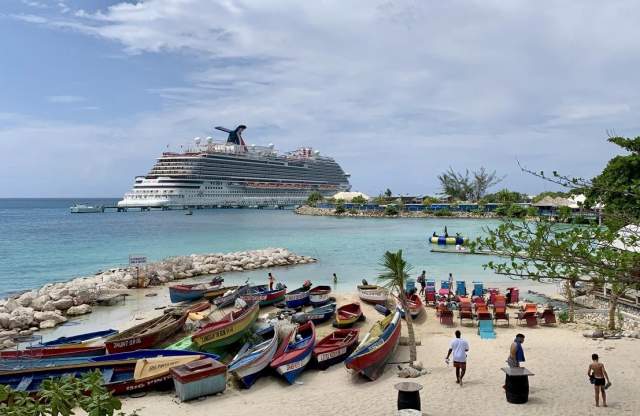
In summary, Falmouth, Jamaica in 2026 stands out as one of the island’s most practical and enjoyable destinations for wheelchair users. Its accessible cruise port, relatively flat town layout, proximity to major resorts, and growing awareness of inclusive tourism make it an excellent choice for travelers seeking Caribbean culture, history, and relaxation without excessive physical challenges. While advance planning remains essential, wheelchair travelers who choose Falmouth can expect a destination that combines authentic Jamaican character with steadily improving accessibility.