Written by Chillie Falls, AccessAdventure.net, May 31, 2026
Mexico City is one of the most exciting World Cup host cities, blending history, culture, food, and modern attractions. While the city is large and bustling, many of its top attractions have made significant accessibility improvements in recent years. Visitors using wheelchairs will find accessible museums, wide plazas, modern transportation options, and some of Latin America’s most impressive cultural landmarks. Whether you’re attending a match at Estadio Azteca or exploring between games, these six attractions should be at the top of your itinerary.
1. Explore the Historic Zócalo and Centro Histórico


6
The heart of Mexico City is the massive Zócalo, one of the largest public squares in the world. The largely flat, paved surface makes it easy for wheelchair users to navigate while taking in landmarks such as the Metropolitan Cathedral and the National Palace. The surrounding historic district features pedestrian-friendly streets, outdoor cafés, street performers, and centuries of Mexican history. Guided accessible tours are available and can help visitors discover hidden architectural gems throughout the area.
2. Visit Chapultepec Park and Castle


4
Often called the “Central Park of Mexico City,” Bosque de Chapultepec is one of the largest urban parks in the Western Hemisphere. Visitors can enjoy accessible pathways, lakeside views, cultural attractions, and beautiful green spaces. The park is also home to Chapultepec Castle, which offers elevators in key areas and spectacular views overlooking the city. The park’s museums, gardens, and recreational areas make it an excellent destination for a full day of sightseeing.
3. Discover the National Museum of Anthropology


4
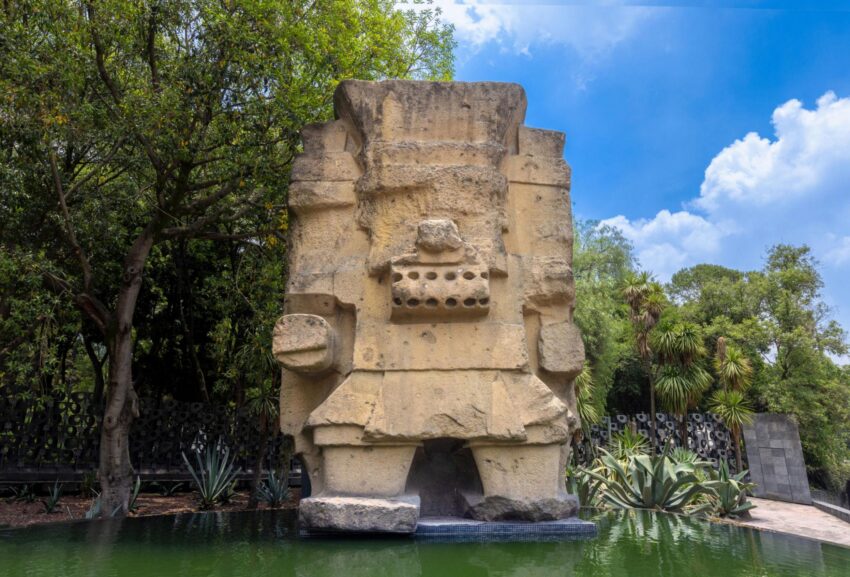
The world-renowned National Museum of Anthropology is considered one of the finest museums in the Americas. Fully accessible entrances, elevators, ramps, and spacious galleries allow visitors to comfortably explore thousands of years of Mexican history. Highlights include the famous Aztec Sun Stone, Mayan artifacts, and exhibits dedicated to Mexico’s Indigenous cultures. Even visitors with limited time often rank this as the city’s must-see attraction.
4. Experience Xochimilco’s Floating Gardens


7
A visit to Xochimilco offers a uniquely Mexican experience. Famous for its colorful trajinera boats floating through historic canals, the area provides a festive atmosphere filled with mariachi music, food vendors, and local culture. While accessibility varies by dock, several operators offer boarding assistance and wheelchair-friendly access arrangements. Booking through an accessible tour provider can make the experience significantly easier and more enjoyable.
5. Explore Coyoacán and the Frida Kahlo Museum


8
The charming neighborhood of Coyoacán feels like a small colonial town within the giant metropolis. Tree-lined plazas, artisan markets, and cafés create a relaxed atmosphere perfect for an afternoon visit. The area’s most famous attraction is the Frida Kahlo Museum, also known as the Blue House. Accessibility has improved considerably, and visitors can explore many of the spaces where the legendary artist lived and worked.
6. Enjoy Panoramic Views from Torre Latinoamericana


7
For breathtaking views of the sprawling capital, head to the Torre Latinoamericana. Elevators provide easy access to observation levels high above the city. On clear days, visitors can enjoy views stretching from the historic center to the distant volcanoes surrounding the Valley of Mexico. It’s one of the best places to appreciate the sheer size and beauty of the city while capturing memorable World Cup photos.
Accessibility Tips for World Cup Visitors
Mexico City’s accessibility continues to improve, especially in tourist areas. Many newer Metro stations, major museums, shopping centers, and attractions provide elevators, ramps, and accessible restrooms. Accessible taxis and ride-share services are often the easiest way to move between attractions. When attending matches at Estadio Azteca, visitors should arrange accessible transportation in advance and arrive early, as World Cup crowds can create longer travel times.
Combining World Cup excitement with Mexico City’s rich history, world-class museums, vibrant neighborhoods, and unforgettable cuisine makes for an incredible travel experience. With thoughtful planning, wheelchair users can comfortably enjoy many of the city’s most iconic attractions while creating memories that last long after the tournament ends.