
Written by Andrea Needham, Eldersday.org, July 11, 2026
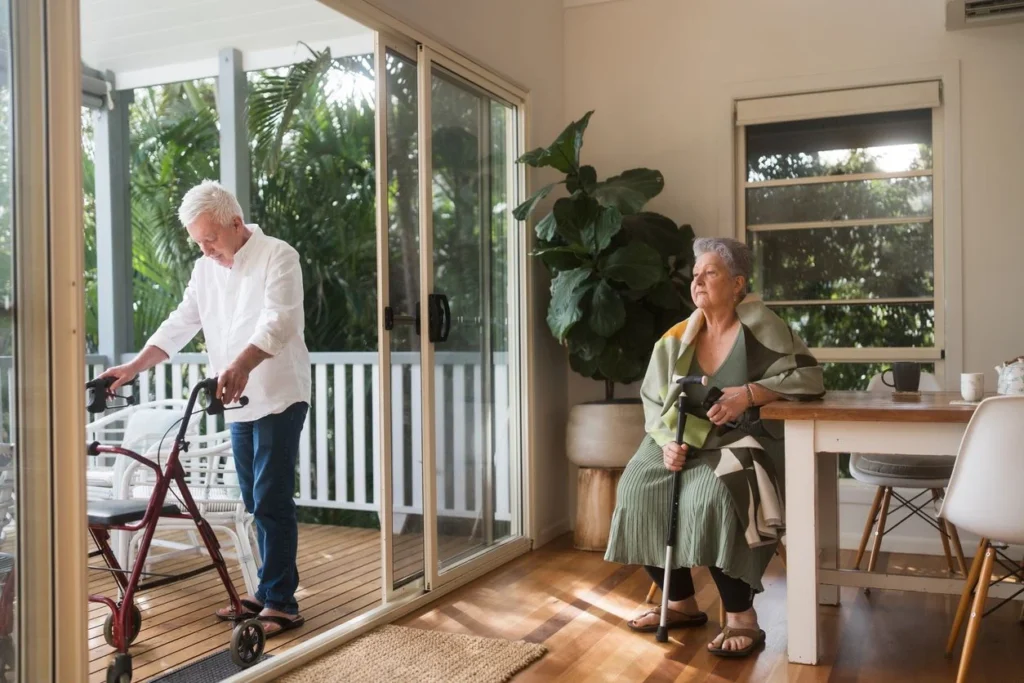
Homeowners preparing to remodel, couples commissioning a custom build, and adult children adapting a parent’s house often face the same challenge: decisions made for today’s lifestyle can quietly limit comfort and independence later. Accessible home design grounded in universal design principles helps avoid those dead ends by supporting independent living across changing mobility, vision, and energy levels. The home accessibility benefits show up immediately in smoother daily routines, safer movement, and spaces that work for more bodies and more moments. Done well, accessibility creates disability-friendly housing that also makes aging in place feel like a practical, confident choice.
Plan and Build an Accessible Home, Step by Step
This process helps you turn accessibility priorities into a build or remodel plan you can actually manage, from the first walk-through to the final contractor scope. It matters because small decisions in layout, materials, and scheduling can make daily life easier now and reduce expensive rework later.
- Assess needs and map daily routes
Start by listing who will use the home, what tasks feel hardest today, and what could change over the next 5 to 10 years. Walk room to room and trace the real routes people take from parking to the kitchen, bath, laundry, and bedroom, noting tight turns, steps, glare, and hard-to-reach controls. Use a simple entry check like the safest route into home to spot the first barrier most people face. - Set priorities and define “must-haves”
Choose your top outcomes, such as safer entry, one-step-free bathing, or a main-floor bedroom option, and write them as clear requirements. If wheelchair use is possible now or later, plan around turning space, reach ranges, and clear paths since home wheelchair accessible design choices affect many other decisions. This keeps the project focused when trade-offs show up. - Build a realistic budget with a contingency
Translate each priority into a line item, including design fees, permits, labor, materials, and temporary living costs if spaces like kitchens or bathrooms will be offline. Add a contingency buffer so you can handle hidden issues like subfloor damage or electrical upgrades without cutting safety features at the last minute. Decide early what can be phased later, such as replacing door hardware now and widening a doorway during a future remodel. - Choose durable, low-effort materials and fixtures
Pick finishes that support stable footing and easy upkeep, like slip-resistant flooring, matte surfaces that reduce glare, and strong wall backing where grab bars may go. Favor lever-style handles, reliable lighting, and simple controls that work with limited grip strength or low vision. Think in terms of daily wear: the most “accessible” choice is often the one that stays safe after years of use. - Coordinate adaptive techniques with the right contractors
Ask bidders to describe how they will achieve your specific requirements, including clear widths, smooth transitions at thresholds, and sturdy anchoring for rails or grab bars. Put measurements and product models directly into the scope of work, then schedule walk-through checkpoints at framing and before finishes so corrections happen when they are cheapest. Confirm who is responsible for inspections and manufacturer install rules so warranties and safety standards stay intact.
Reduce Build Risk With Clear, Builder-Backed Warranty Protection
Once you’ve aligned the design, budget, materials, and team, the next safeguard is making sure the finished home is protected if something goes wrong. An accessible-home build often includes investments that directly support safety and usability, so it’s worth protecting that work with a comprehensive builder and structural warranty. The right coverage helps set clear expectations about what’s protected, typically including workmanship issues as well as major structural components, so you’re not left guessing where responsibility starts and ends after move-in. That clarity can also support quality assurance throughout the build, because everyone is working toward defined standards and conditions.
Look for a reputable provider with straightforward terms and conditions, so you understand the scope of defect protection and the timeframes involved. When the coverage is clear and supported by an established, builder-backed program, such as a builder-backed warranty for new homes, it can strengthen builder-buyer trust and provide longer-term confidence that the home will remain functional, secure, and adaptable for years to come. With protections in place, it’s easier to evaluate the real-world questions people have about costs, codes, and the mistakes that can derail an accessible build.
Accessible Home Building Questions, Answered
Q: What codes or guidelines should I consider for an accessible home?
A: Start with local building codes, then add accessibility best practices for clearances, entries, and bathrooms. While ADA rules largely apply to public spaces, concepts like program access can help you think about barriers and usability. Ask your designer to document clear path widths and turning space before framing begins.
Q: How do I upgrade for accessibility without turning the house into a “medical” space?
A: Choose integrated features like curbless showers, blocking behind walls for future grab bars, and lever handles. Prioritize finishes that match your style so supports look intentional. Mock up key areas with tape on the floor to confirm comfortable spacing.
Q: What accessibility features tend to cost the most?
A: Large scope items like wider doorways, zero step entries, and bathroom reconfiguration often drive the budget. Save by prioritizing high impact, daily use areas first and pre wiring for future tech.
Q: When should I plan accessibility decisions during the build?
A: Earlier is cheaper, especially before plumbing and framing are locked in. Confirm bathroom layouts, stair alternatives, and entry grading at the design stage to avoid change orders.
Q: How do I maintain accessibility after move-in?
A: Do simple quarterly checks on handrails, non-slip surfaces, lighting, and door hardware. Small changes matter, and move furniture to keep pathways open for easier mobility.
Add Universal Design Upgrades and Smart Accessibility Tech
A comfortable, independent home usually comes down to a handful of universal design features applied consistently, especially at entrances, in kitchens and baths, and along the routes you use every day. Use the budget and maintenance priorities you clarified earlier to choose upgrades that solve today’s pain points while staying adaptable for the future.
- Map your “no-step, no-pinching” daily route: Walk the path from parking to the front door, then to the bathroom, bedroom, and kitchen. Aim for a clear, furniture-free travel lane and reduce tight turns by reorienting seating, widening key pass-throughs, or removing a single problematic door. If you’re planning wheelchair accessible layouts, verify turning space at decision points (hall intersections, kitchen entries) and keep thresholds flush.
- Upgrade entries with a small ramp, stable landing, and better grip: Prioritize one accessible entrance first, often a side door or garage entry, then replicate details over time. Add a ramp only where needed, but always include a level landing at the top and bottom so a wheelchair or walker can pause and turn safely. Improve visibility and control with bright, even lighting and a handrail that’s easy to grasp.
- Choose lever door handles and hardware you can use one-handed: Swap knob-style door handles for levers on high-traffic doors (bathroom, bedroom, exterior). Levers reduce twisting and grip strength demands and make it easier to open doors while carrying laundry or using mobility aids. While you’re at it, consider a keyless entry keypad and a door viewer at a comfortable height to reduce rushing and awkward reach.
- Install grab bars like safety equipment, not accessories: Place grab bars where transfers happen, next to the toilet, inside the shower, and at any step or ramp transition. Anchor into blocking or use a mounting system rated for the wall type; towel bars are not substitutes. For a clean look, choose finishes that match faucets and coordinate placement symmetrically so the bathroom stays polished and intentional.
- Design a “workable kitchen triangle” with reach ranges in mind: Universal design kitchens support seated and standing users by mixing open knee space, pull-out shelves, and drawers instead of deep base cabinets. A helpful benchmark is to keep the most-used items between shoulder and knee height and put heavy items in waist-high drawers. Guidance showing how kitchens, laundry facilities, meet a variety of needs can help you prioritize flexible features without a full remodel.
- Add smart home accessibility for lighting, climate, and alerts: Start small with voice or button control for the lights in the bedroom, bathroom, and entry so you aren’t navigating in the dark. Add smart thermostats, leak sensors under sinks, and stove/oven shutoff reminders to reduce risk and maintenance surprises. Choose devices with physical controls in addition to app control so they work during phone changes or for guests.
- Use a room-by-room checklist to specify upgrades like a builder would: Convert your “must-haves” into a simple scope: widths, clearances, hardware types, reinforcement for future grab bars, and electrical locations for smart controls. Reviewing example floor plans can help you see how wheelchair-liveable circulation works before you commit to moving walls. With a shortlist of priorities and specs, it’s much easier to price options, phase the work, and request accurate bids.
Turning Thoughtful Home Design Into Lasting Accessibility and Independence
Balancing today’s comfort with tomorrow’s unknowns can make home decisions feel high-stakes, especially when accessibility is treated as an add-on. The steadier path is a thoughtful home design mindset: plan for future needs, favor simple universal choices, and treat accessibility as a baseline for inclusive home environments. Done well, accessible home benefits show up in safer movement, easier routines, and long-term home usability that supports changing bodies and family situations. Design for access now, and the home stays usable for decades.