Written by Chillie Falls, AccessAdventure.net, June 13, 2026
Kansas City is preparing to welcome soccer fans from around the world during the FIFA World Cup 2026, and visitors will quickly discover that this Midwestern city offers much more than world-class soccer. Known for its legendary barbecue, vibrant jazz heritage, impressive museums, and friendly atmosphere, Kansas City is also one of the more accessible destinations in the United States. For travelers using power wheelchairs, the city features accessible public transportation, modern sidewalks throughout downtown, and many attractions designed with mobility access in mind. Whether you are arriving a few days before a match or extending your stay afterward, Kansas City offers plenty of memorable experiences beyond the stadium.
1. Explore the National WWI Museum and Memorial


6
One of Kansas City’s most impressive attractions is the National WWI Museum and Memorial. Frequently ranked among the best museums in America, it offers an immersive look at World War I through interactive exhibits, artifacts, and multimedia presentations. The museum’s crown jewel is Liberty Memorial Tower, which provides spectacular views of the Kansas City skyline.
Wheelchair users will appreciate the museum’s excellent accessibility. Elevators serve all levels, pathways are wide and smooth, and accessible restrooms are located throughout the facility. The observation deck is accessible, allowing visitors to enjoy panoramic city views without encountering stairs. The surrounding memorial grounds feature paved pathways suitable for power wheelchairs.
2. Visit Union Station and Science City


4
Few buildings capture Kansas City’s grandeur like Union Station. Originally opened in 1914, this beautifully restored landmark now houses restaurants, exhibits, theaters, and the popular Science City attraction. Even if you are not traveling by train, the architecture alone makes the visit worthwhile.
The facility is fully accessible, with elevators connecting every level and automatic doors at key entrances. Science City includes numerous interactive exhibits designed with accessibility in mind. The station’s spacious interior makes navigation easy for travelers using power wheelchairs, and accessible parking is available nearby.
3. Experience the American Jazz Museum and Historic 18th & Vine District


7
Kansas City’s rich musical heritage comes alive in the historic American Jazz Museum and the surrounding 18th & Vine District. This neighborhood helped shape the careers of countless jazz legends and remains a cultural centerpiece of the city.
The museum offers accessible exhibits, elevators, and wheelchair-friendly pathways throughout the facility. Nearby restaurants and music venues continue the area’s musical tradition, and many offer accessible seating options. The district’s relatively flat terrain makes it easier to explore than many historic neighborhoods found in other cities.
4. Enjoy World-Class Barbecue


8
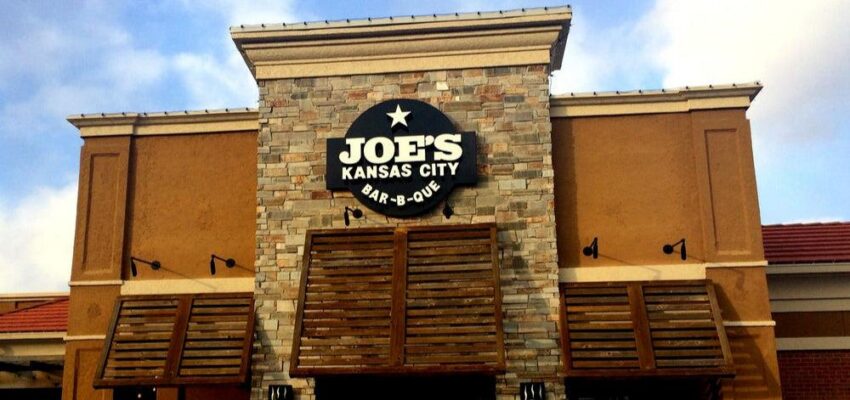
A trip to Kansas City would not be complete without sampling its famous barbecue. Local favorites such as Joe’s Kansas City Bar-B-Que, Jack Stack Barbecue, and Q39 serve the smoked meats and burnt ends that have made the city famous worldwide.
Many of the city’s most popular barbecue restaurants provide accessible entrances, restrooms, and seating. Visiting during off-peak hours can help avoid long lines, particularly during the World Cup when visitor numbers will be significantly higher than usual.
5. Explore the Nelson-Atkins Museum of Art


4
Art lovers should not miss the Nelson-Atkins Museum of Art, one of the finest art museums in the Midwest. The museum’s collections range from ancient artifacts to contemporary masterpieces, while the outdoor sculpture park is famous for its giant shuttlecock sculptures.
Accessibility is excellent throughout the museum. Elevators connect all galleries, accessible restrooms are available, and wheelchairs are offered for visitors who need them. The sculpture park features paved pathways that allow wheelchair users to enjoy many of the outdoor exhibits comfortably.
6. Visit the Negro Leagues Baseball Museum


6
One of the most inspiring attractions in the city is the Negro Leagues Baseball Museum. Located in the historic 18th & Vine District, the museum tells the story of the athletes who transformed baseball and American history despite segregation and discrimination.
The museum offers wheelchair-accessible entrances, exhibit spaces, and restrooms. Visitors can comfortably navigate the galleries while learning about legends whose influence extended far beyond sports.
Getting Around Kansas City in a Power Wheelchair
Kansas City’s downtown area has undergone significant redevelopment over the past decade, resulting in improved sidewalks, curb cuts, and pedestrian access. The free KC Streetcar is fully wheelchair accessible and connects many major attractions, hotels, restaurants, and entertainment districts. Public buses throughout the city are also equipped with wheelchair lifts or ramps.
For World Cup visitors, ride-share services with accessible vehicle options may be worth arranging in advance, particularly on match days when demand will be high. Most major hotels in downtown Kansas City offer accessible guest rooms, roll-in showers, and ADA-compliant amenities.
World Cup Accessibility Tips
Kansas City is expected to host hundreds of thousands of visitors during the FIFA World Cup. Travelers using power wheelchairs should reserve accessible hotel rooms early, confirm accessible transportation arrangements before arrival, and allow extra travel time on match days. Many attractions listed above are located within a relatively compact area, making it possible to experience several highlights in a single day without extensive travel.
For active wheelchair travelers spending three or four days in Kansas City before or after World Cup matches, the city offers an excellent combination of sports, history, food, music, and culture. Its growing commitment to accessibility, combined with genuine Midwestern hospitality, makes Kansas City one of the most welcoming World Cup destinations in North America.