December 5, 2025 by lkarl

TravelAbility’s Accessibility Superstars are individuals who don’t just influence their destinations: they reshape them. Each honoree has led the kind of change that lifts an entire community, creating a culture where accessibility is woven into everyday decisions.
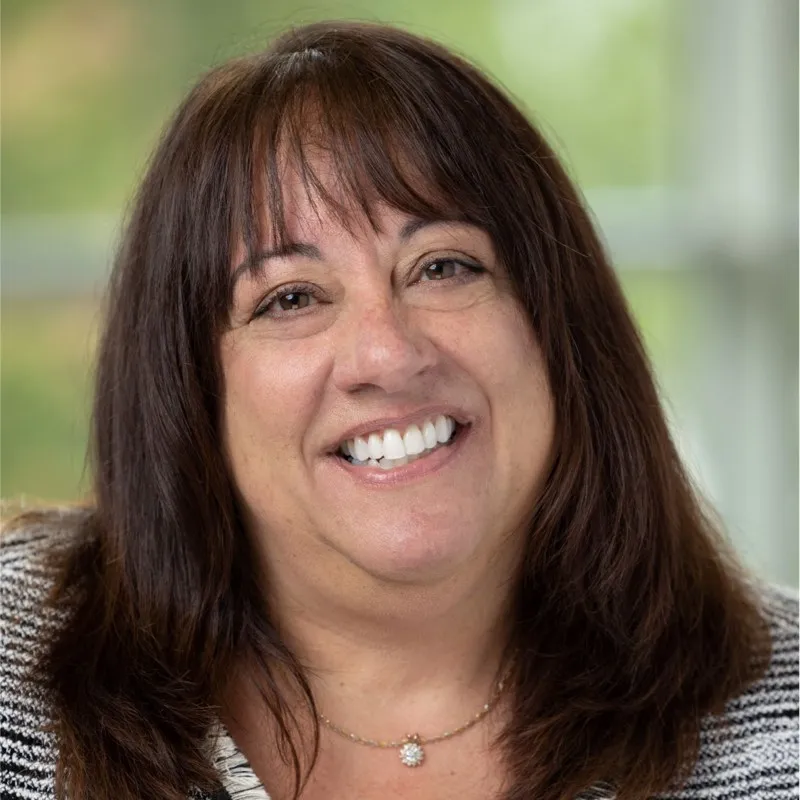
Toni Bastian of Visit Richmond has done exactly that. Under Toni’s leadership, Richmond has become a model for inclusive tourism, launching the Accessible RVA strategic plan, training a network of Accessible RVA Champions, expanding disability-inclusiveness training for frontline staff, and securing a landmark $1 million state grant to fund accessibility improvements across Virginia. Through quiet determination, practical tools, and a steady belief that everyone deserves to feel welcome, she has helped transform the way Visit Richmond understands and delivers inclusion.
“Everyone deserves to feel welcome and comfortable when they travel.”
When asked why this work matters so deeply to her, Toni goes straight to the heart of it.
“I care about inclusion because everyone deserves to feel welcome and comfortable when they travel,” she says. “Once I stepped into this work, I realized how many small changes can completely transform someone’s experience. That’s what motivates me.”
She’s watched the local mindset shift—not from pressure or mandates, but from genuine learning and shared moments.
“Seeing our community move from treating accessibility as a task to treating it as part of who we are has been incredibly encouraging,” she says. “When a visitor tells us they felt at ease here, or a tourism partner shares something they learned that changed how they operate, it’s a reminder of why this work matters.”
One of those moments still stands out. A historic home in town completed VisitAble’s disability training. What they learned pushed them to take on a challenge that would have seemed daunting before.
“That experience pushed them to work through the process of getting a permit to add a ramp to a previously inaccessible entrance, while still preserving the home’s historic character,” she says. “Now they’re welcoming guests who use wheelchairs, but also anyone who benefits from a ramp. It’s a small change with a huge impact.”
Creating Momentum: “Keep the work simple, practical, and free of pressure.”
Culture change doesn’t happen by accident. She’s spent years figuring out what truly brings partners and leadership on board.
“What’s helped the most is keeping the work simple, practical, and free of pressure,” she explains.
‘Partnering with VisitAble to offer disability training gave businesses a clear, approachable place to begin. Providing access to disability training gave our tourism partners something concrete to start with, and that made it easier for them to get on board.”
But education alone isn’t what moves people, it’s stories.
“Sharing traveler feedback or hosting disability content creators for familiarization tours and letting partners hear real stories helped leadership understand the impact on a personal level,” Toni says.
Those firsthand accounts shifted mindsets.
“Over time, people began to see accessibility not as a checklist but as a way to welcome more travelers with dignity and warmth,” she notes. “That shift in thinking is what created momentum.”
Advice to Other Destinations: “Start with education… celebrate the small steps.”
Her recommendation to others hoping to build an inclusive culture is clear and actionable.
“I feel that when a destination can help cover the cost of disability etiquette training, it creates a gentle way to start the conversation about reducing barriers and creating equitable travel experiences,” she says. “Beginning with education builds the ‘why’ and moves us away from any kind of ‘gotcha’ mindset.”
She believes the most powerful changes come from hearing directly from people with lived experience.
“Hearing directly from someone with lived experience and the barriers they face every day is what pushes businesses to reduce those barriers, often with a simple fix they may not have previously known about,” she says.
And when partners feel supported rather than judged, everything shifts.
“When tourism partners feel supported, they’re far more willing to try something new,” she adds. “Celebrate progress, even the small steps, because those moments build confidence and keep inclusion in everyday conversations instead of treating it like a side project.”
At that point, inclusion stops being a program and becomes a mindset.
“When it’s part of how you plan, train, and talk about visitor experience, it becomes a natural piece of your culture,” she says. “And that’s when real change happens.”