
Music, Barbecue, and Mississippi River Views
Written by Chillie Falls, AccessAdventure.net, March 12, 2026
Few American cities are as rich in music history and cultural identity as Memphis. Sitting along the banks of the Mississippi River, Memphis blends legendary blues roots, iconic rock ‘n’ roll landmarks, and some of the best barbecue in the country. For travelers—including those using wheelchairs or mobility devices—the city offers a mix of historic attractions, lively districts, and scenic riverfront spaces that are surprisingly accessible and easy to explore.
Discover the Heart of Memphis Music
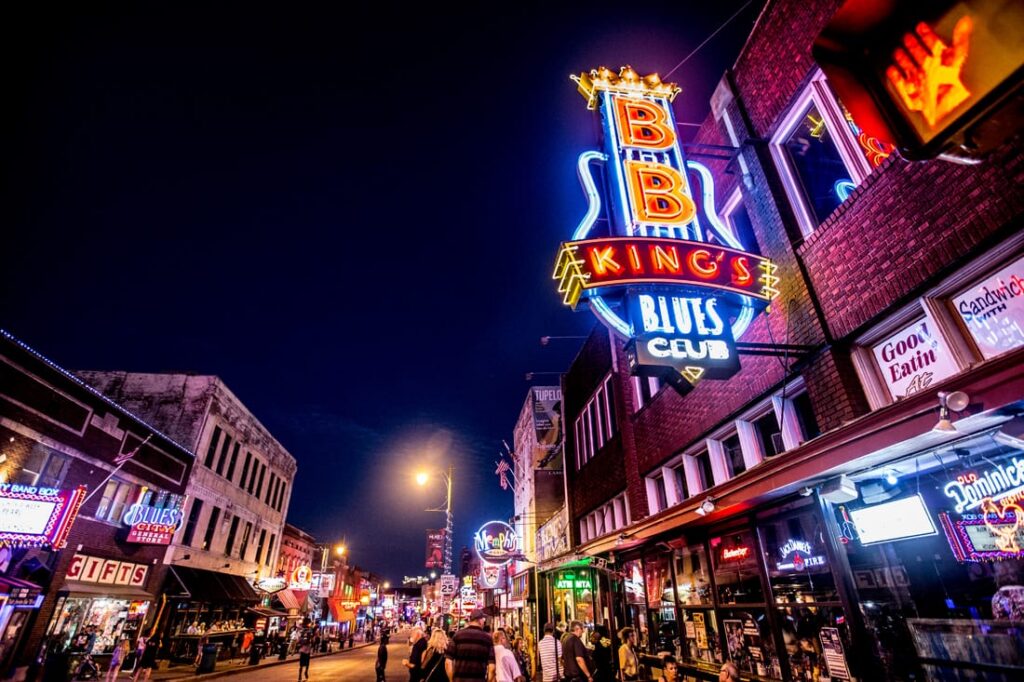
Memphis is widely considered one of the birthplaces of modern American music, and the experience begins on the famous Beale Street. Known around the world as the “Home of the Blues,” Beale Street stretches for several blocks filled with live music venues, restaurants, and historic clubs. Sidewalks here are generally wide and curb ramps are plentiful, making it manageable for wheelchair travelers to roll between venues and soak in the atmosphere.
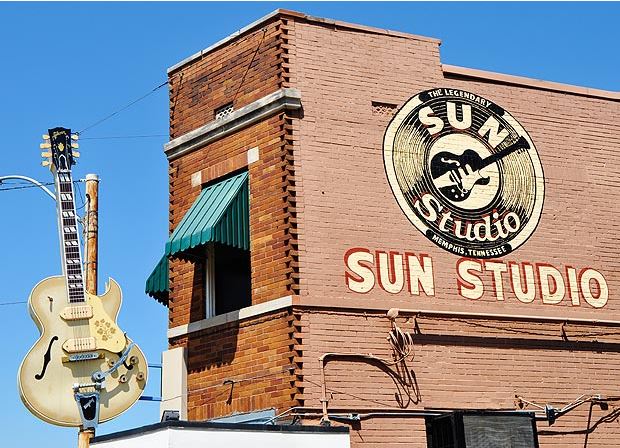
A short distance away is the legendary Sun Studio, where artists like Elvis Presley, Johnny Cash, and Jerry Lee Lewis launched their careers. Guided tours bring visitors into the small recording room where rock and roll history was made. Staff often assist guests with mobility needs, though calling ahead can ensure the smoothest experience.

Another must-visit location is the Stax Museum of American Soul Music. Built on the site of the original Stax Records studio, the museum celebrates the soul music movement that helped define Memphis. Inside, visitors find accessible pathways through exhibits showcasing performers such as Otis Redding and Isaac Hayes, along with vintage stage costumes, instruments, and interactive displays.
A Visit to Graceland
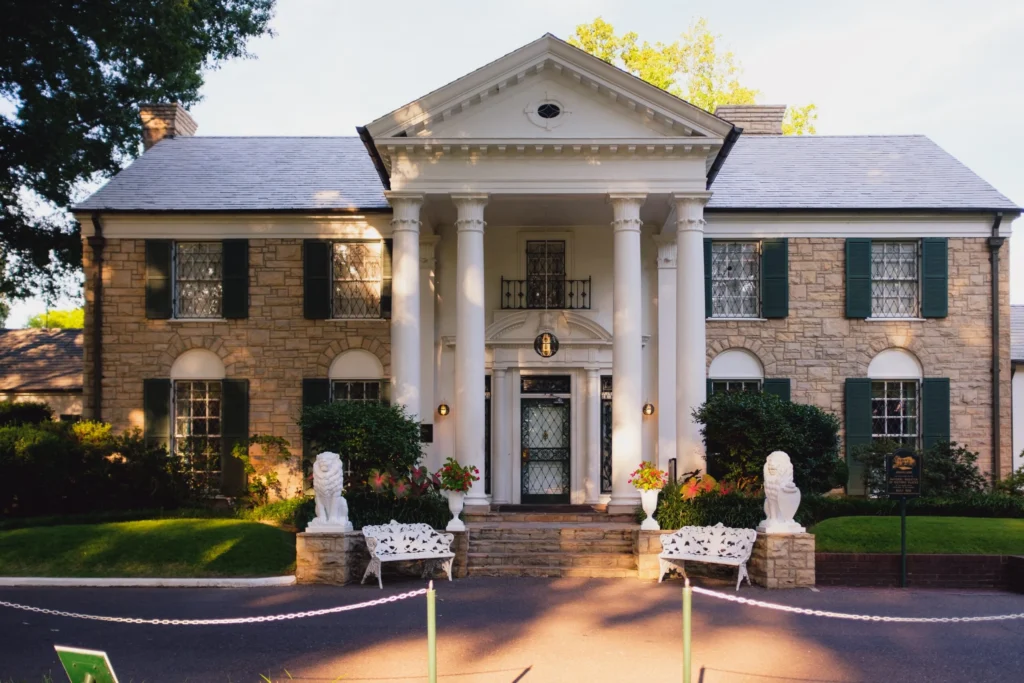
No trip to Memphis would be complete without visiting Graceland, the home of Elvis Presley. One of the most famous music landmarks in the world, the estate welcomes hundreds of thousands of visitors each year.
Graceland has invested heavily in accessibility, offering shuttle transportation across the property and accessible pathways throughout the mansion tour areas. The experience also includes museums displaying Elvis’s cars, stage outfits, and gold records. For fans of rock history, it’s easily the highlight of any Memphis visit.
The Mississippi Riverfront

Memphis’ riverfront is one of the most relaxing areas in the city and offers some of the best views of the Mississippi River. Tom Lee Park has undergone a major renovation in recent years and now features smooth pathways, river overlooks, and plenty of open space for visitors to enjoy the scenery.
Nearby, the Memphis Riverwalk allows travelers to follow the waterfront while taking in views of barges, bridges, and sunsets over Arkansas. The paths are mostly flat and wide, making them ideal for wheelchairs and mobility scooters.

Another unique attraction along the riverfront is the Mississippi River Museum at Mud Island. The museum’s outdoor river model once allowed visitors to walk the length of the Mississippi River in miniature form, and the surrounding area still provides interesting views and historical context about the river’s role in American commerce.
Civil Rights History
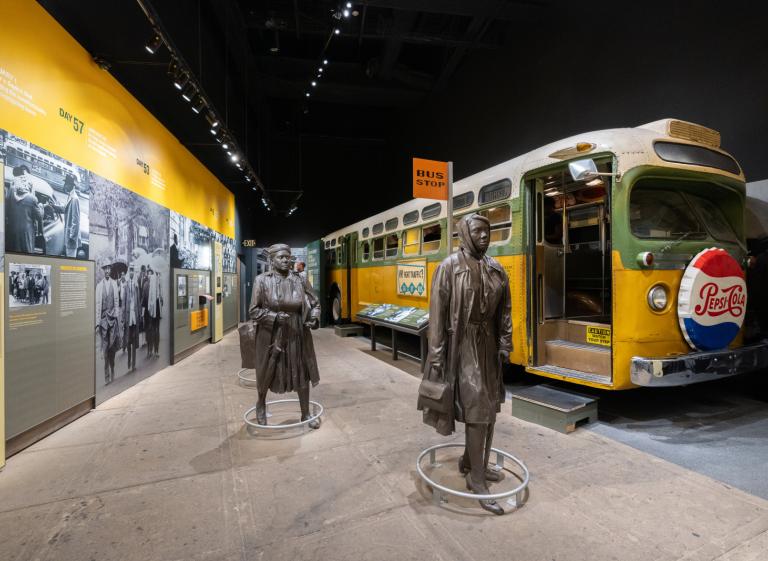
Memphis also holds a profound place in American civil rights history. The National Civil Rights Museum, located at the historic Lorraine Motel, stands as one of the most important museums in the United States.
The museum sits at the site where Martin Luther King Jr. was assassinated in 1968. Inside, accessible exhibits guide visitors through the story of the Civil Rights Movement, offering a powerful and educational experience.
Memphis Barbecue and Food Scene
Memphis is synonymous with barbecue, and sampling the city’s signature slow-smoked ribs is practically a requirement. Restaurants throughout the city are generally welcoming and accessible, particularly in downtown areas.

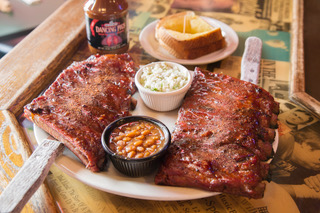
Two famous stops include Central BBQ and The Bar-B-Q Shop, both known for Memphis-style ribs and pulled pork. Dining rooms are typically spacious and casual, making them comfortable for wheelchair users.
Beyond barbecue, Memphis’ food scene includes Southern comfort dishes, soul food, and modern restaurants popping up throughout neighborhoods like Cooper-Young and South Main.
Traveling to Memphis

Getting to Memphis is relatively easy thanks to its central location in the Mid-South region. The main airport serving the city is Memphis International Airport, located about 15 minutes from downtown. The airport offers accessible facilities, wheelchair assistance, and connections to major airline hubs.
For road travelers, Memphis sits at the crossroads of several major highways including Interstate 40, Interstate 55, and Interstate 240. This makes it an easy drive from cities such as Nashville, Little Rock, and St. Louis.

Once in the city, much of the downtown area—including Beale Street, the riverfront, and many major attractions—is fairly compact. Ride-share services, accessible taxis, and hotel shuttles help visitors move around without needing to drive long distances.
Why Memphis Is Worth the Trip
Memphis offers something rare in American travel destinations: a place where music history, cultural heritage, and modern attractions all exist side by side. Whether you’re listening to blues on Beale Street, walking along the Mississippi River, or standing inside the recording studio where rock ‘n’ roll began, the city provides experiences that feel deeply connected to American culture.
For travelers looking for a destination that combines history, food, and world-famous music—with a growing focus on accessibility—Memphis remains one of the most rewarding cities to explore in the American South.