
Written by Chillie Falls, AccessAdventure.net, June 3, 2026
Toronto is set to be one of the host cities for the FIFA World Cup, welcoming thousands of soccer fans from around the globe. Known for its diverse neighborhoods, world-class attractions, excellent public transportation, and commitment to accessibility, Toronto is one of North America’s most wheelchair-friendly cities. Whether you’re attending a match or extending your stay for sightseeing, the city offers a wide variety of accessible experiences that combine culture, history, entertainment, and spectacular views.
1. Visit the CN Tower


6
No trip to Toronto is complete without visiting the iconic CN Tower. Standing more than 1,800 feet tall, it remains one of the most recognizable landmarks in Canada. The tower is fully wheelchair accessible, with elevators providing access to observation levels, restaurants, and viewing platforms. Visitors can enjoy breathtaking panoramic views of Toronto, Lake Ontario, and even neighboring regions on clear days. The famous Glass Floor is also wheelchair accessible, allowing guests to experience the thrill of looking directly down over the city streets below. Arriving early in the morning or near sunset offers some of the best photography opportunities and shorter wait times.
2. Explore Ripley’s Aquarium of Canada


5
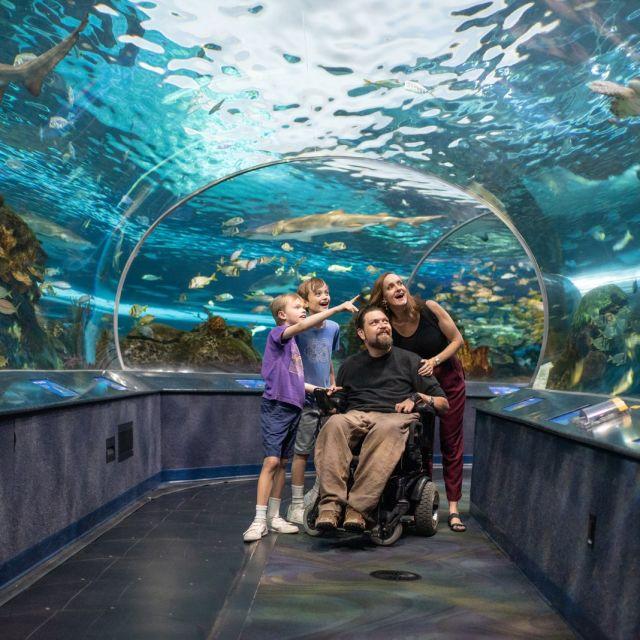
Located next to the CN Tower, Ripley’s Aquarium of Canada is one of Toronto’s most accessible attractions. Wide pathways, elevators, accessible restrooms, and barrier-free exhibits make it ideal for wheelchair users. The highlight is the Dangerous Lagoon, a moving walkway that carries visitors through a spectacular underwater tunnel surrounded by sharks, rays, and sea turtles. The aquarium provides an engaging experience for visitors of all ages and is a perfect indoor option if weather conditions aren’t ideal during your World Cup visit.
3. Discover the Historic Distillery District


7
The Distillery Historic District offers one of Toronto’s most unique experiences. Once home to the world’s largest whiskey distillery, the area has been transformed into a vibrant pedestrian district filled with restaurants, galleries, boutiques, and public art installations. Most pathways are flat and accessible, with many businesses offering wheelchair-friendly entrances. During the World Cup, visitors can enjoy outdoor patios, local food, artisan shops, and seasonal events while soaking in the district’s beautifully preserved Victorian architecture.
4. Take a Harbourfront and Waterfront Stroll


8
Toronto’s waterfront is one of the city’s most scenic and accessible areas. The Harbourfront Centre and surrounding lakefront paths feature smooth, paved walkways perfect for wheelchairs and mobility devices. Visitors can enjoy lake views, public art, outdoor performances, restaurants, and seasonal festivals. The area provides some of the best skyline photo opportunities in the city and offers a relaxing escape from the excitement of World Cup crowds.
5. Experience the Royal Ontario Museum


6
The renowned Royal Ontario Museum, often called the ROM, is Canada’s largest museum and one of Toronto’s premier cultural attractions. Fully accessible entrances, elevators, accessible restrooms, and wheelchair-friendly exhibit spaces make it easy to explore. The museum features world-class collections spanning dinosaurs, ancient civilizations, Indigenous cultures, natural history, and global art. Whether you’re interested in archaeology, science, or history, the ROM offers hours of exploration in a comfortable and accessible environment.
6. Visit Toronto Islands


6
A short ferry ride from downtown brings visitors to the beautiful Toronto Islands. Accessible ferry services operate regularly, and much of Centre Island features paved pathways suitable for wheelchairs. The islands offer spectacular skyline views, beaches, gardens, picnic areas, and quiet spaces away from the city’s hustle and bustle. For World Cup visitors looking to balance match-day excitement with relaxation, the Toronto Islands provide one of the most memorable experiences in the region.
Accessibility Tips for World Cup Visitors
Toronto’s public transportation system, operated by Toronto Transit Commission, continues to expand its accessibility features. Many subway stations offer elevators, while all city buses and streetcars are equipped for wheelchair users. Accessible taxis and ride-share services are widely available throughout the city.
When attending World Cup matches, guests should request accessible seating directly through ticket providers and arrive early to allow extra time for security screening and stadium entry procedures. Toronto’s hospitality industry is highly experienced in accommodating travelers with mobility needs, and many hotels near downtown and match venues offer accessible rooms and services.
Final Thoughts
Toronto combines world-class sporting events with some of Canada’s best accessible tourism experiences. From soaring above the city at the CN Tower to exploring museums, waterfronts, historic districts, and island parks, wheelchair users will find a welcoming and highly navigable destination. Whether you’re visiting solely for the World Cup or turning your trip into a longer Canadian adventure, Toronto offers a memorable blend of culture, accessibility, and excitement that makes it one of the tournament’s standout host cities.