
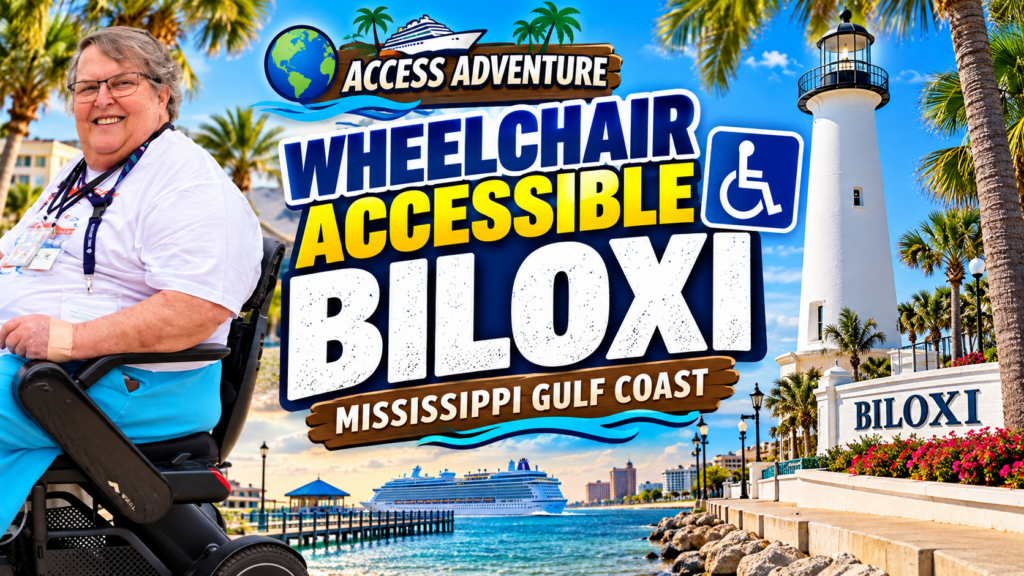
Written by Chillie Falls, AccessAdventure.net, October 3, 2026
Can you explore Biloxi, Mississippi in a wheelchair? Join Chillie Falls and Access Adventure as we explore wheelchair-accessible attractions, beaches, museums, resorts and waterfront experiences along the Mississippi Gulf Coast. From the Biloxi Lighthouse and Visitors Center to the Maritime & Seafood Industry Museum, Gulf Coast casinos and even a possible accessible trip to Ship Island, we’ll show you what works, what doesn’t, and what wheelchair travelers should know before visiting Biloxi.
Hello everyone, I’m Chillie Falls, and welcome to another Access Adventure.
Today we’re heading to the Mississippi Gulf Coast to answer a question that I think might surprise some travelers:
Just how wheelchair accessible is Biloxi, Mississippi?
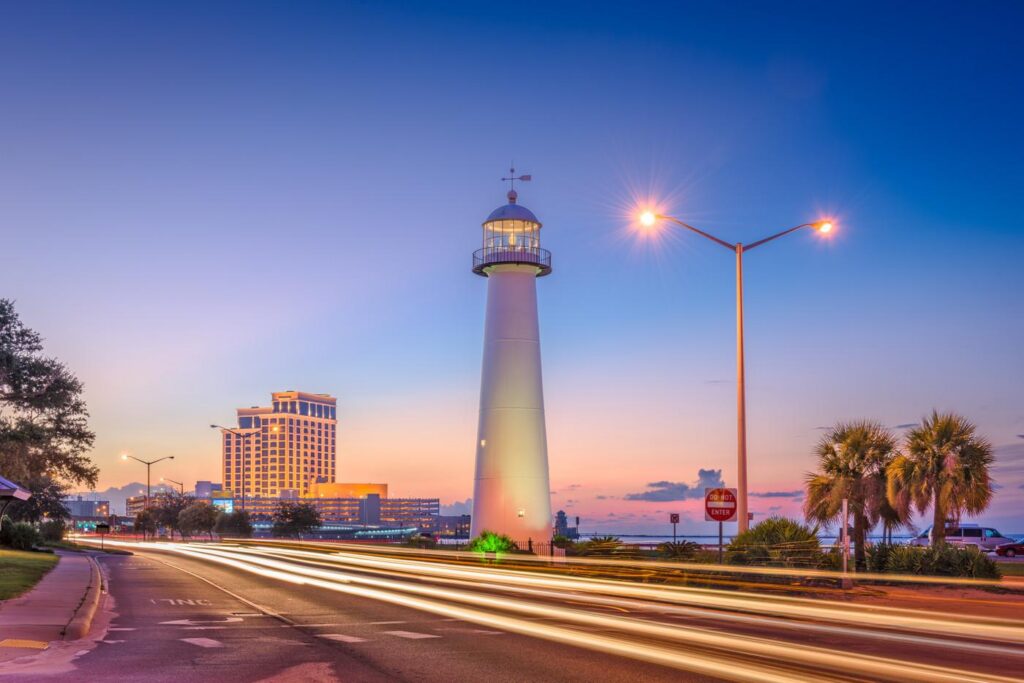
Biloxi is probably best known for its casinos, seafood and beautiful location along the Mississippi Sound. But there’s much more here than casino gaming.
We’ve got museums, Gulf Coast history, beaches, waterfront boardwalks, excellent seafood—and we’re even going to investigate whether someone using a wheelchair can take a ferry 12 miles into the Gulf of Mexico to Ship Island.
And as always with Access Adventure, we’re not simply going to tell you that something has an ADA symbol and call it accessible.
We’re going to look at what a wheelchair traveler can actually do.
So let’s head to the Mississippi Gulf Coast and explore wheelchair-accessible Biloxi, Mississippi.
ARRIVING IN BILOXI
“Let’s begin with something that can make or break an accessible vacation: transportation.
Biloxi stretches for several miles along Beach Boulevard, or U.S. Highway 90. Many attractions look relatively close together on a map, but I wouldn’t automatically assume you’ll want to roll between all of them in a wheelchair.
Heat, traffic, intersections and distance can change that equation considerably.
Biloxi does have public transportation through Coast Transit Authority, and the city specifically directs visitors toward CTA’s Casino Hopper service.wheelchair, I would confirm the accessibility of the specific route and vehicle before relying on it for your entire vacation.
If you’re traveling with your own accessible vehicle or van, Biloxi becomes considerably easier because Beach Boulevard connects many of the attractions we’re going to visit.”
FIRST STOP — BILOXI VISITORS CENTER
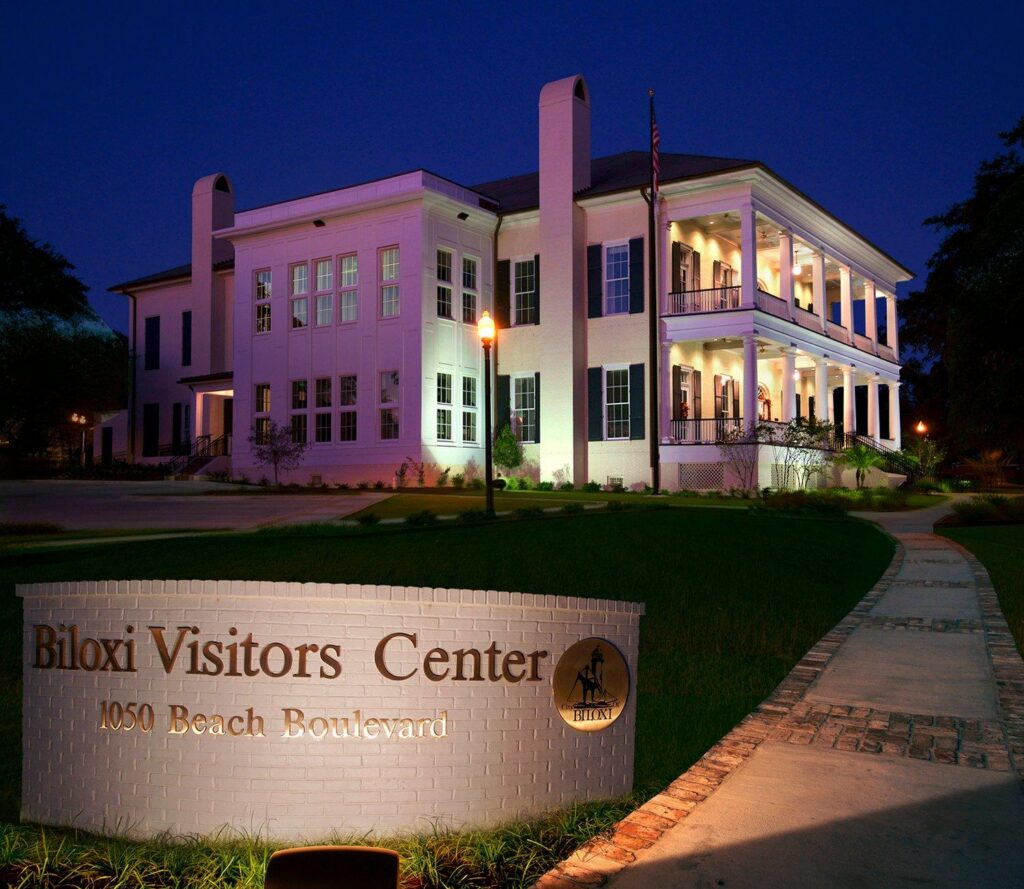
I would make the Biloxi Visitors Center our first stop.
And this isn’t just a building where you grab a brochure and leave.
The 24,000-square-foot Visitors Center includes nearly a dozen multimedia exhibits covering Biloxi’s history, people, connection to the water and cultural heritage. There’s also a 67-seat theater showing a short film called We Are Biloxi.
The second-floor porch provides views across Beach Boulevard toward the Gulf and puts you roughly eye-level with the beacon of the Biloxi Lighthouse.
The center is currently open daily from 8 a.m. until 5 p.m., and admission is free.
For a wheelchair traveler, I’d also use this stop strategically. Ask the staff about current accessible parking, beach-access locations, road construction and anything temporarily closed.
And there’s a very famous Biloxi landmark sitting almost directly outside.
THE BILOXI LIGHTHOUSE — ACCESSIBLE VIEW, INACCESSIBLE CLIMB
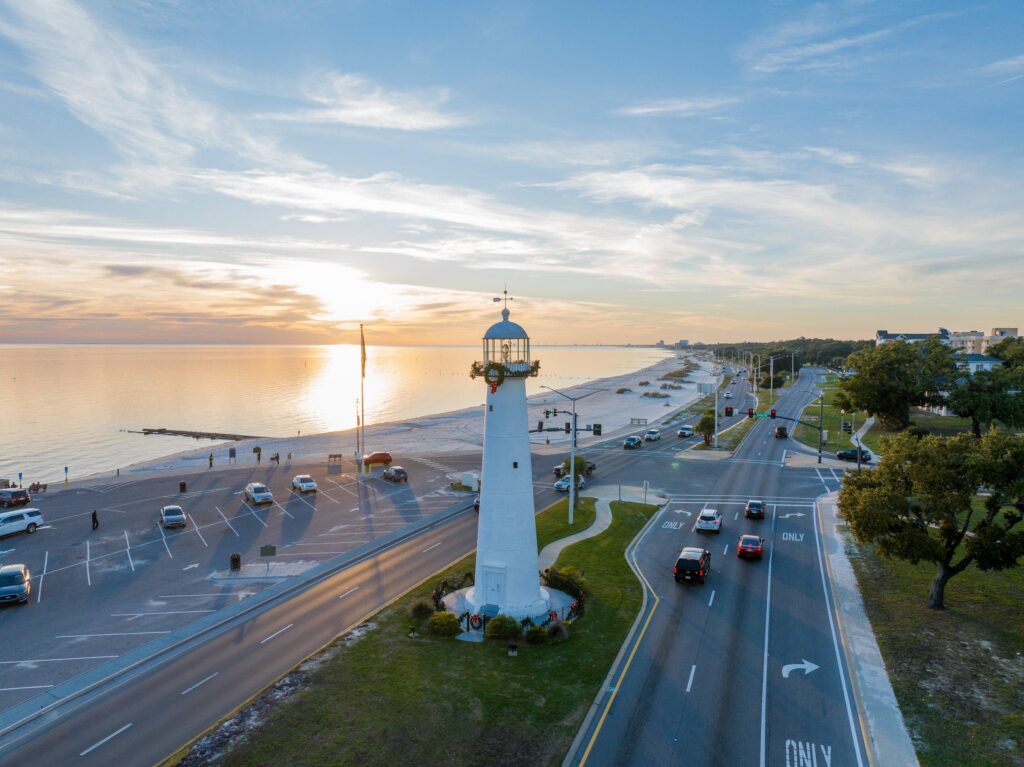
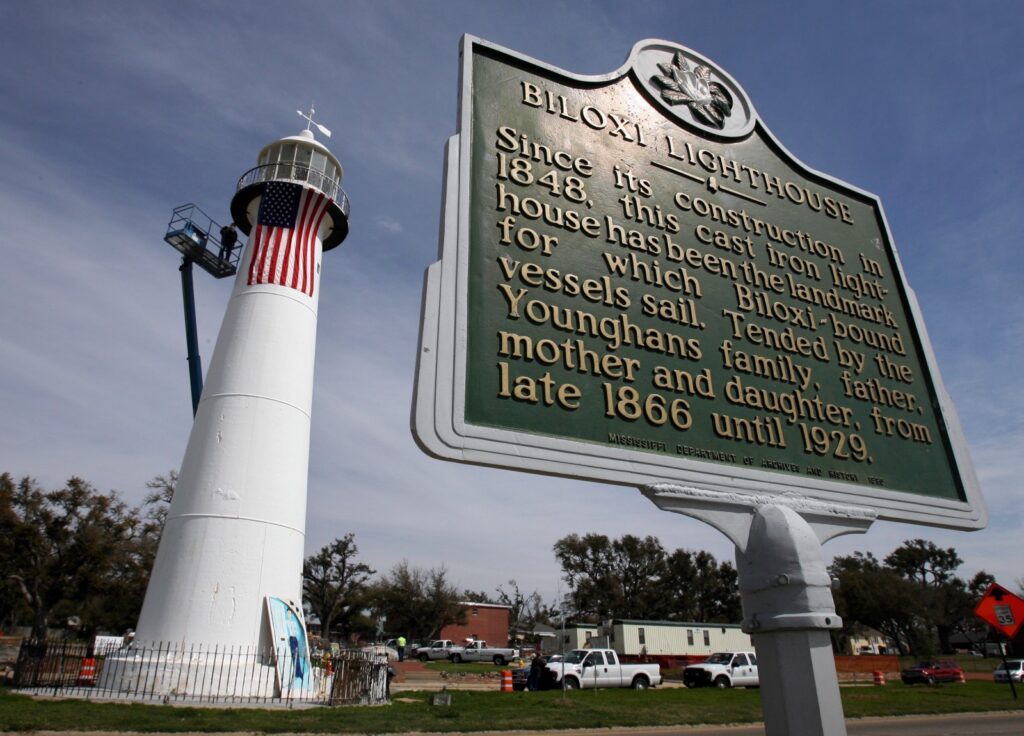
The Biloxi Lighthouse has stood here since 1848 and has become the symbol of the city.
But this is where we need to make an important accessibility distinction.
You can certainly visit and photograph the lighthouse from ground level, but climbing it is another matter.
The normal tour requires navigating a spiral staircase, so this is not a wheelchair-accessible climb.
And there’s another temporary issue travelers should know about. As of October 2026, the City of Biloxi says tours to the top are unavailable because of upper-deck repairs, while the Visitors Center describes lighthouse tours as closed because of renovations.
So enjoy the lighthouse, get your photographs, learn about it inside the Visitors Center—but don’t arrive expecting to take a wheelchair to the top.
That’s exactly the difference between an accessible destination and an accessible experience.
BILOXI BEACH AND THE WATERFRONT
Now let’s talk about the beach.
Biloxi has miles of white-sand shoreline along the Mississippi Sound, and visually it is one of the city’s biggest attractions.
But here’s something wheelchair travelers already understand:
Sand is sand.
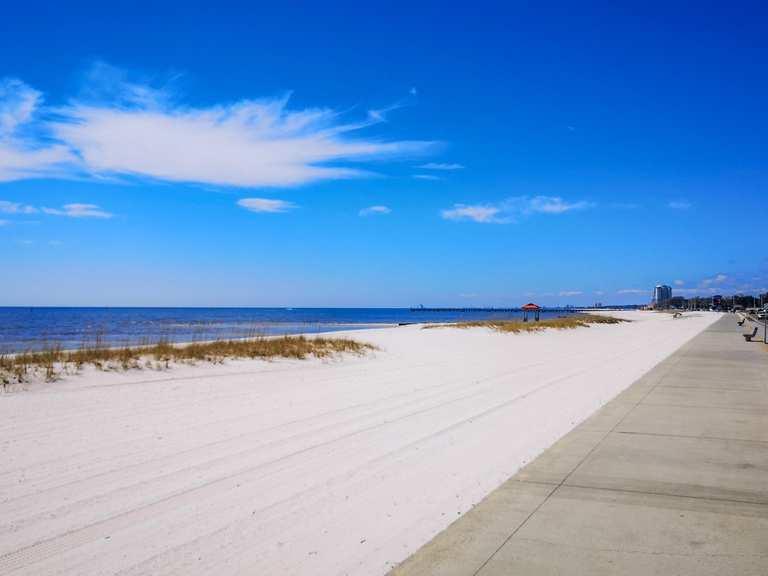
A paved parking area next to a beach doesn’t automatically make the beach itself accessible.
For someone using a conventional power wheelchair, I would concentrate on the waterfront experience—paved approaches, boardwalk areas, overlooks and places where you can enjoy the Gulf without taking your chair onto loose sand.
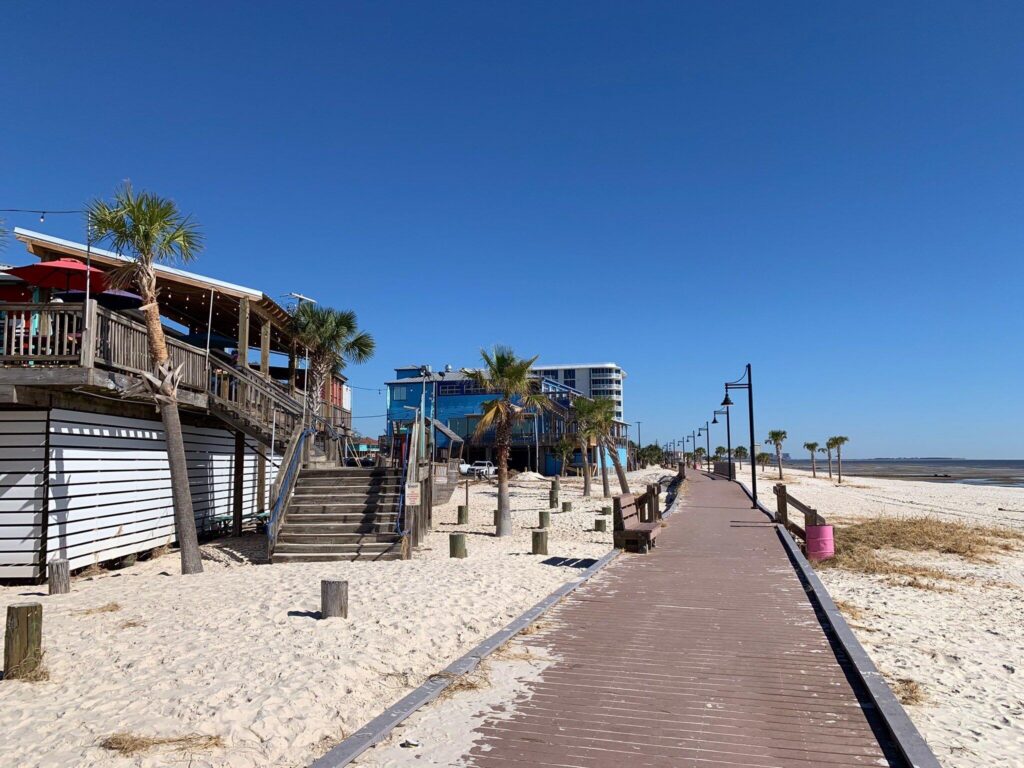
And frankly, that’s not necessarily a compromise.
Find yourself a good accessible location late in the afternoon and watch the sun drop over the Mississippi Sound. That may turn out to be one of your favorite Biloxi experiences.
MARITIME & SEAFOOD INDUSTRY MUSEUM
If you really want to understand Biloxi, our next stop belongs near the top of the list.
The Maritime & Seafood Industry Museum tells more than 300 years of Gulf Coast maritime history.
This isn’t simply a collection of old boats.
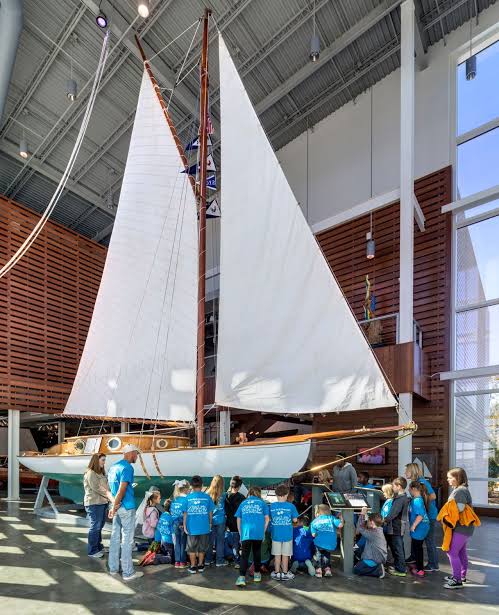
You’ll learn about shrimping, oystering, fishing, boat building and the seafood industry that helped shape the Mississippi Gulf Coast.
The museum also examines hurricanes and their impact on the region, including the Gulf Coast experience that can sometimes get overshadowed by the attention paid to New Orleans.
For me, that’s what makes this such a worthwhile stop.
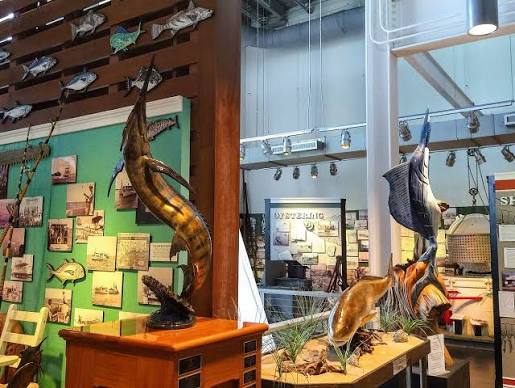
Accessibility isn’t enough by itself. An attraction still needs to be interesting.
And this museum helps explain why Biloxi exists where it does and why the water has always been so important to the people who live here.
OHR-O’KEEFE MUSEUM OF ART
Next, we’re going somewhere completely different.
The Ohr-O’Keefe Museum of Art celebrates George Ohr, the wonderfully eccentric Biloxi artist known as the Mad Potter of Biloxi.
Even before you see the art, you’ll probably notice the buildings. The museum campus was designed by internationally known architect Frank Gehry.
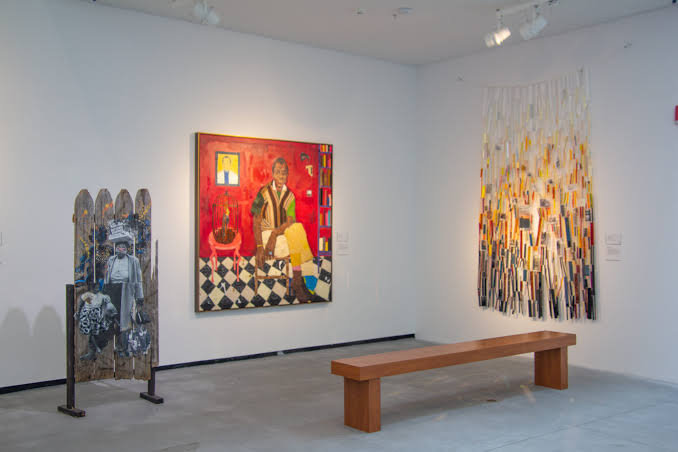
And here’s the accessibility news I particularly like.
The museum doesn’t hedge its language. Its current visitor information states that the museum is completely accessible for visitors with disabilities.
As of October 2026, adult admission is $12, with a $10 senior rate for visitors 60 and older. The museum is open Tuesday through Saturday from 10 until 5. Ohr-O’Keefe Museum of Art

This is another attraction I’d definitely put on our Biloxi itinerary
THE BIG ADVENTURE — SHIP ISLAND
Now we’ve reached the part of this trip that caught my attention.
Can someone using a wheelchair take the ferry from Biloxi out to Ship Island?
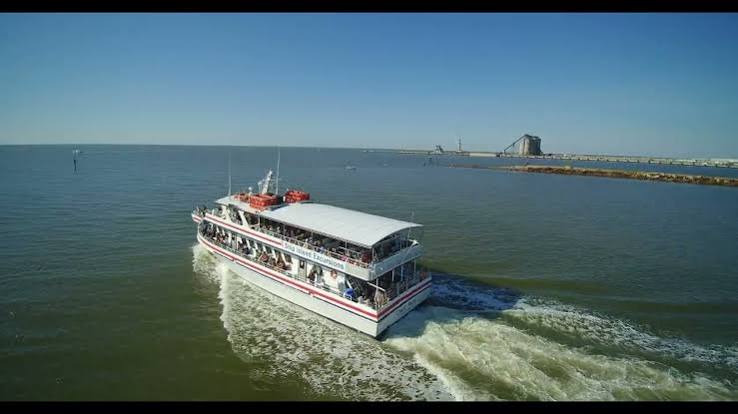
According to the National Park Service, yes.
Ship Island is part of Gulf Islands National Seashore and sits about 12 miles offshore. The ferry trip takes approximately one hour each way. National Park Service
And this is where things get interesting.
The National Park Service specifically says the excursion boats are accessible. They have wheelchair ramps onto the boats, along with wheelchair tie-down locations inside the cabin and on the first deck. National Park Service
The ferries can depart from Gulfport Small Vessel Harbor and from Margaritaville Resort in Biloxi, depending on the operating schedule. National Park Service
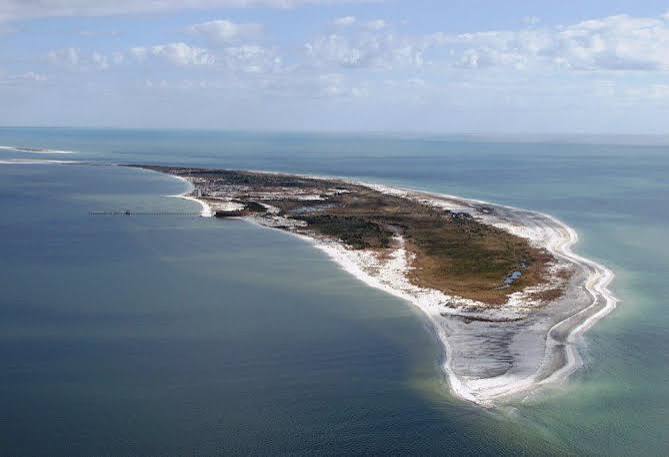
Once you arrive, there’s a long pier and boardwalk leading across the island.
This is exactly the kind of experience that I love finding for Access Adventure because we’re moving beyond simply asking:
‘Can I get through the front door?’
We’re asking:
Can I actually have an adventure?
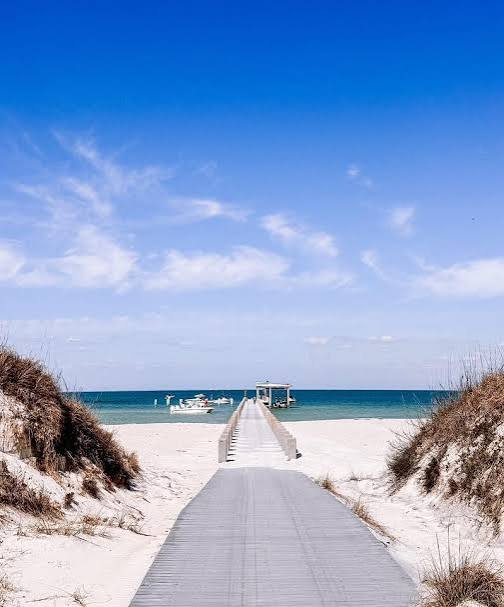
Now, if you use a large power wheelchair like I do, I’d still contact Ship Island Excursions before purchasing tickets.
Give them your chair’s width, length and combined occupied weight and ask specifically about the ramp, boarding conditions and tie-down arrangement on the vessel operating your particular departure.
Accessibility can also change with tides, weather and equipment.
But the fact that the National Park Service specifically documents wheelchair ramps and tie-downs makes this a very promising Biloxi adventure.”
National Park Service Ship Island accessibility information
WHERE TO STAY — BEAU RIVAGE
Now let’s talk about hotels, because this is where vague accessibility claims can become a real problem.
The Beau Rivage Resort & Casino is one property worth investigating.
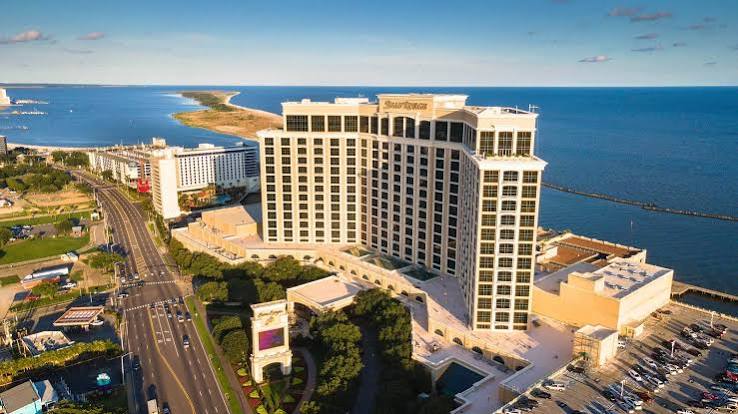
Beau Rivage specifically offers a Deluxe Accessible Roll-In Shower room.
The room is approximately 400 square feet and includes two queen beds, a roll-in shower, bathroom accessibility rails, accessible lavatory features, convenient closet shelving and lowered amenities. Beau Rivage Resort & Casino
That’s considerably more useful information than a hotel simply putting the word ‘accessible’ next to the room description.
I’d still call before booking and confirm bed height and clearance, shower configuration and anything else that matters to your individual mobility needs.
GOLDEN NUGGET — PARTICULARLY GOOD ACCESSIBILITY INFORMATION
The Golden Nugget Biloxi provides some of the most detailed accessibility information I found.
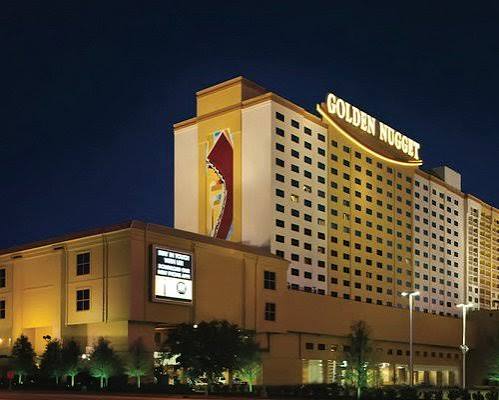
The resort lists accessible guestrooms, restaurants, elevators, spa, salon, exercise facility, meeting areas and accessible routes throughout the property.
Accessible rooms have at least 32 inches of clear doorway width, and guests can request mobility-accessible rooms with a roll-in shower, transfer shower or accessible tub. Golden Nugget
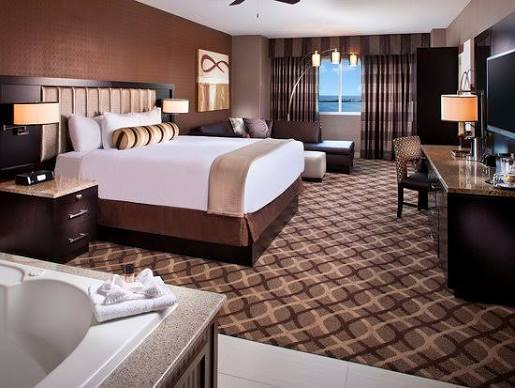
And here’s something I always like finding:
The swimming pool has a pool hoist. Golden Nugget

That’s an accessibility feature hotels frequently forget to tell us about.
Golden Nugget also says accessible transportation is available with advance notice. Golden Nugget
For a power-wheelchair traveler, this would definitely be on my shortlist of Biloxi hotels to investigate further.
NOW LET’S EAT
You can’t come to the Mississippi Gulf Coast and spend the entire trip talking about ramps and elevators.
Eventually, somebody needs to bring out the shrimp.”
Shaggy’s Biloxi Beach
Shaggy’s Biloxi Beach gives us Gulf views with a relaxed beach atmosphere and seafood-heavy menu.
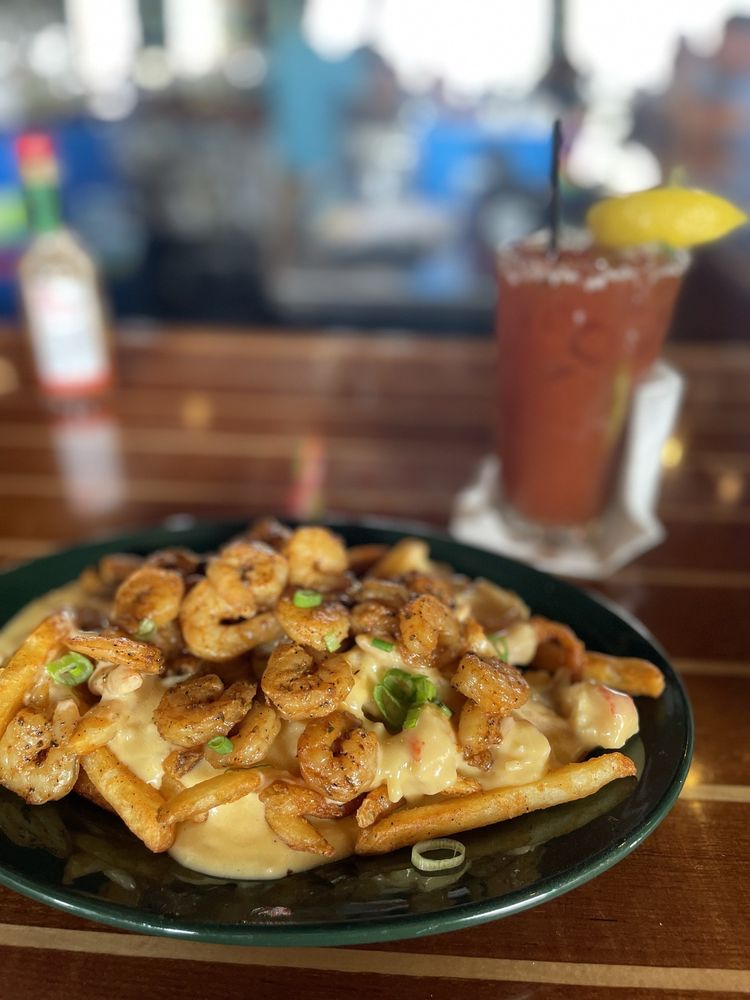
Current listings identify the restaurant as wheelchair accessible and show free off-street parking. Tripadvisor
This is where I’d go when I want something casual—seafood, Gulf views and no particular reason to hurry.
The Reef
Nearby, The Reef is another beachfront seafood option. The primary dining area is upstairs, but elevator access is available and current information identifies wheelchair accessibility.
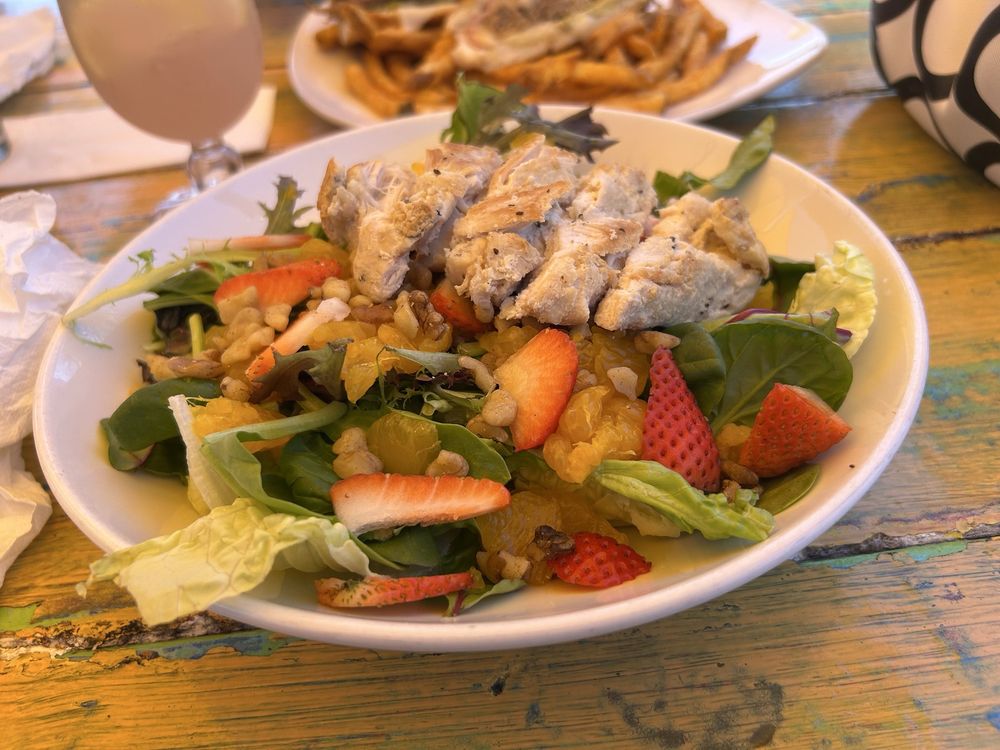
That’s an important distinction. Seeing an upstairs restaurant from the parking lot doesn’t necessarily mean we have to cross it off the list
Mary Mahoney’s Old French House
And for something completely different, there’s Mary Mahoney’s Old French House.
This is old-school Biloxi—historic surroundings, Gulf seafood, steaks and a much more traditional dining experience.
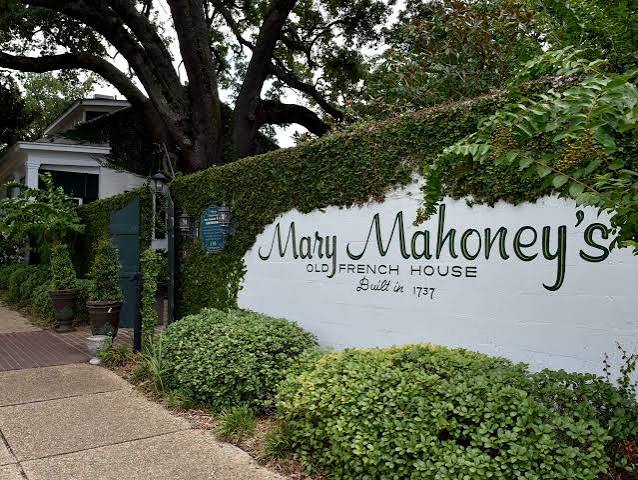
Current restaurant information identifies wheelchair accessibility. Tripadvisor
Because it’s a historic property, though, I would call ahead and describe your particular wheelchair rather than assuming every dining room provides identical access.
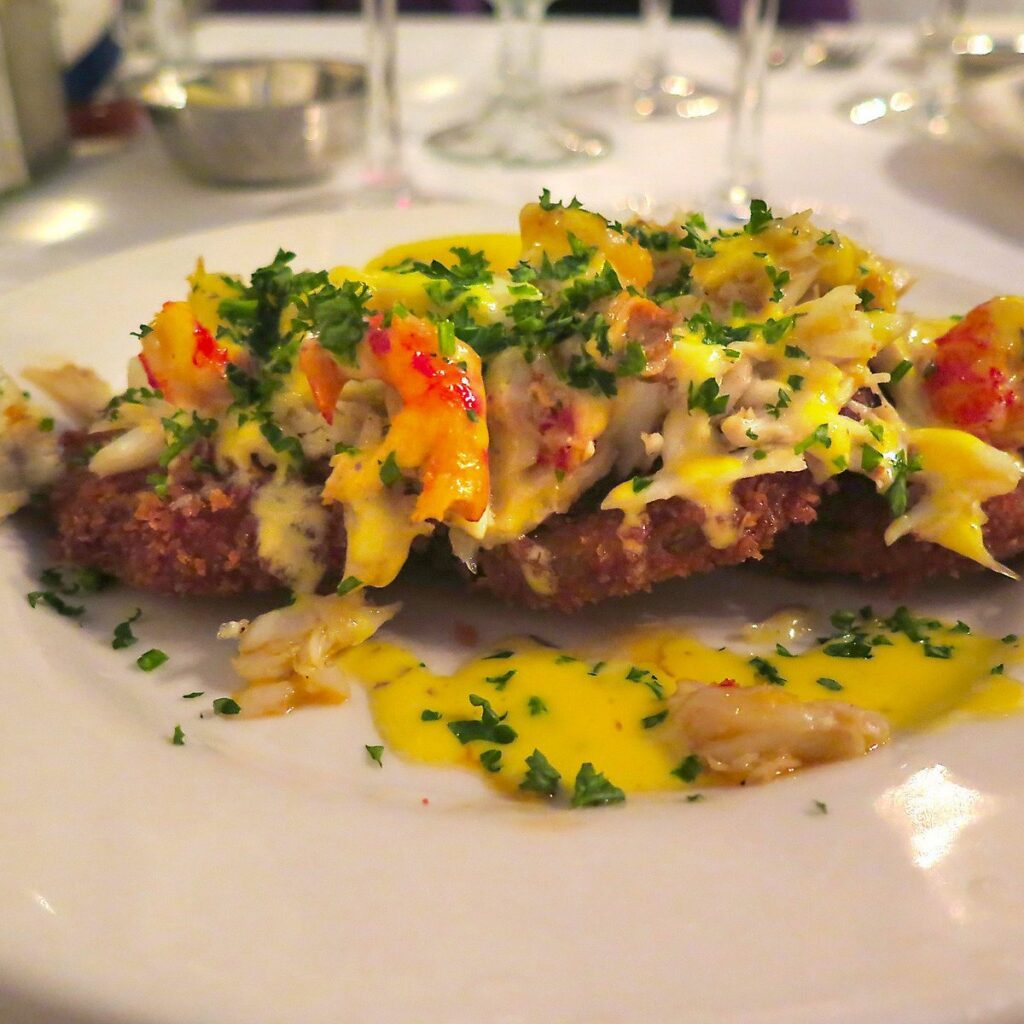
This could be our special-occasion dinner.
McElroy’s Harbor House
For another classic Gulf Coast option, McElroy’s Harbor House overlooks the Biloxi Small Craft Harbor.
Think seafood platters, boats, water and sunsets.
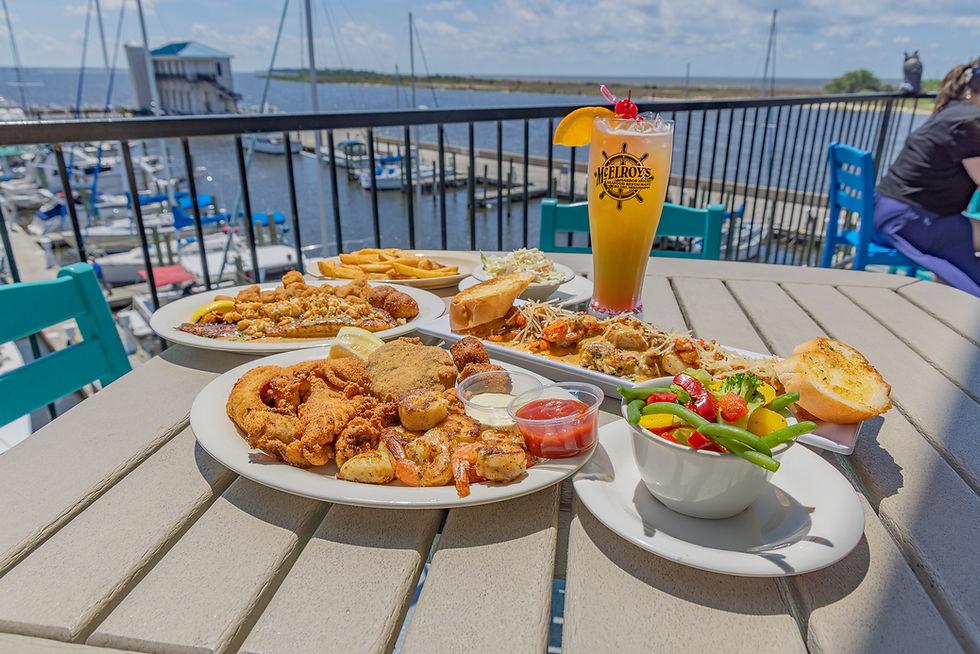
Accessibility information indicates an accessible route to seating despite the elevated building, but this is another place where I’d verify the current route before visiting with a large power chair.
MY THREE-DAY ACCESSIBLE BILOXI ITINERARY
If I had three days in Biloxi, here’s how I’d organize them.
Day One would introduce us to the city. Start at the Biloxi Visitors Center, explore its exhibits, photograph the lighthouse, spend some time along the waterfront and then visit the Ohr-O’Keefe Museum. Finish with Gulf seafood and a Mississippi Sound sunset.
Day Two would be our maritime day. Start at the Maritime & Seafood Industry Museum, explore the harbor and waterfront, have a seafood lunch and then enjoy one of Biloxi’s larger resorts during the afternoon or evening.
And Day Three is Adventure Day.
Weather and accessibility permitting, take the ferry to Ship Island.
Give yourself the day. Don’t rush it.
Enjoy the ferry ride, Gulf views, boardwalk and the simple satisfaction of realizing that being a wheelchair traveler doesn’t mean every island has to remain something you can only see from shore.
IMPORTANT ACCESSIBILITY LESSON
Biloxi also demonstrates something I think is important for all accessible travelers.
A city doesn’t have to be 100 percent accessible to be worth visiting.
The lighthouse climb isn’t accessible.
Loose beach sand may not work for your wheelchair.
A historic restaurant might require advance planning.
And a ferry trip deserves more preparation when you’re using a large power chair.
But none of those things mean Biloxi itself is inaccessible.
Instead, we identify the barriers, find the alternatives and build a trip around experiences we can enjoy.
That’s what Access Adventure is all about.
Biloxi surprised me.
Between its waterfront, museums, Gulf Coast history, seafood, accessible resorts and the possibility of taking a wheelchair all the way out to Ship Island, there’s considerably more here for wheelchair travelers than many people might expect.
And that’s why destinations like this are worth researching.
If you’ve visited Biloxi using a wheelchair, scooter or another mobility device, I’d especially like to hear from you.
Tell us in the comments what worked—and just as importantly, what didn’t.
Your experience may help the next traveler plan a better trip.
If this video helped you, please give us a thumbs-up, subscribe to Access Adventure, and share the video with another traveler.
I’m Chillie Falls.
Remember, accessibility may change the way we travel—but it doesn’t have to stop the adventure.
Until next time, keep exploring, keep discovering, and I’ll see you on the next Access Adventure
Leave a Reply