Written by Chillie Falls, AccessAdventure.net, June 7, 2026
Philadelphia combines American history, world-class museums, vibrant food scenes, and surprisingly strong accessibility infrastructure, making it one of the best host cities to explore during the FIFA World Cup. The city’s compact downtown, accessible public transportation, curb cuts, and growing number of adaptive tourism initiatives make it possible for wheelchair users and travelers with mobility challenges to enjoy many of its most iconic attractions.
1. Independence National Historical Park


5
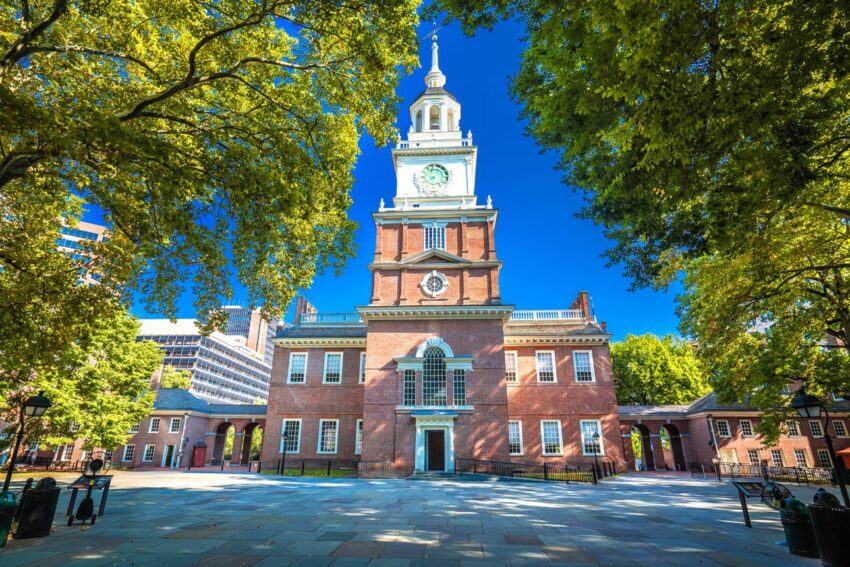
No visit to Philadelphia is complete without exploring the birthplace of American democracy. The area surrounding the Liberty Bell and Independence Hall is largely wheelchair accessible, with paved pathways, accessible visitor centers, and elevators where needed. Visitors can see where the Declaration of Independence and Constitution were debated and signed while enjoying one of the most historically significant districts in the United States.
Highlights include the Liberty Bell, Independence Hall, Congress Hall, and numerous historic exhibits. Rangers frequently offer accessible tours, and accessible restrooms are available throughout the park.
2. Philadelphia Museum of Art and the Rocky Steps


5
The iconic museum featured in the Rocky films is fully accessible and houses one of the finest art collections in North America. While many visitors photograph the famous Rocky Steps, wheelchair users can access the museum through accessible entrances and elevators while still enjoying panoramic city views from the surrounding plaza.
Inside, visitors will find masterpieces spanning centuries of European, American, and Asian art. The museum offers wheelchair rentals, accessible galleries, and sensory-friendly resources.
The nearby Rocky Statue is also accessible and remains one of the city’s most popular photo opportunities.
3. Reading Terminal Market


5
For food lovers visiting during the World Cup, Reading Terminal Market is essential. One of America’s oldest public markets, it features dozens of local vendors serving everything from cheesesteaks and Pennsylvania Dutch specialties to international cuisine.
The market is largely wheelchair accessible with wide aisles and accessible entrances. Arriving during off-peak hours can make navigation easier. It is also an excellent indoor option during hot summer afternoons between matches.
Must-try foods include roast pork sandwiches, fresh pretzels, Amish baked goods, and Philadelphia’s famous cheesesteaks.
4. Spruce Street Harbor Park and Penn’s Landing


6
Located along the Delaware River, Spruce Street Harbor Park provides a relaxing break from the crowds. The waterfront features accessible pathways, scenic river views, food vendors, seasonal entertainment, and colorful public spaces.
During World Cup festivities, waterfront areas often host fan gatherings, cultural events, and outdoor activities. Wheelchair users can comfortably enjoy much of the park thanks to paved surfaces and accessible facilities.
Nearby Penn’s Landing offers excellent skyline photography opportunities, particularly during sunset.
5. Eastern State Penitentiary


6
One of the world’s most famous prisons, Eastern State Penitentiary provides a fascinating look into criminal justice history. The massive Gothic structure once housed notorious gangster Al Capone and helped pioneer modern prison design.
Many sections have been adapted for accessibility, including accessible routes, exhibits, and audio tours. While some historic areas have limitations due to preservation requirements, the attraction provides alternative access and virtual viewing options where necessary.
Its unique architecture makes it one of Philadelphia’s most memorable attractions.
6. The Franklin Institute


6
Families traveling for the World Cup should prioritize The Franklin Institute. One of America’s premier science museums, it offers hands-on exhibits, immersive experiences, planetarium shows, and interactive displays suitable for all ages.
The museum is fully wheelchair accessible, with elevators, accessible restrooms, companion care facilities, and accessible exhibit design. Highlights include the giant walk-through heart, aviation exhibits, and cutting-edge science demonstrations.
It’s an excellent choice for rainy days or families seeking educational entertainment between matches.
Getting Around Philadelphia in a Wheelchair
Philadelphia’s downtown core is generally accessible, particularly around Center City and the historic district. The SEPTA network operates accessible buses, many accessible subway stations, and regional rail services. Ride-share companies also offer wheelchair-accessible vehicle options, though advance booking is recommended during World Cup periods.
Sidewalk conditions vary in older neighborhoods, but major tourist corridors—including Independence Mall, Museum Mile, and Center City—feature curb ramps and accessible crossings.
Best Accessible World Cup Base
For visitors attending matches, Center City offers the best combination of accessibility, hotels, dining, and transportation. Staying near Market Street, City Hall, or the Convention Center places travelers within easy reach of major attractions, restaurants, and transit connections to the stadium district.
Philadelphia’s combination of rich history, outstanding museums, walkable neighborhoods, and accessible infrastructure makes it one of the most rewarding World Cup host cities for travelers using wheelchairs or other mobility devices.