
Written by John Morris, WheelchairTravel.org, March 16, 2026
Autonomous Taxis Won’t Be Accessible With Laws Like These
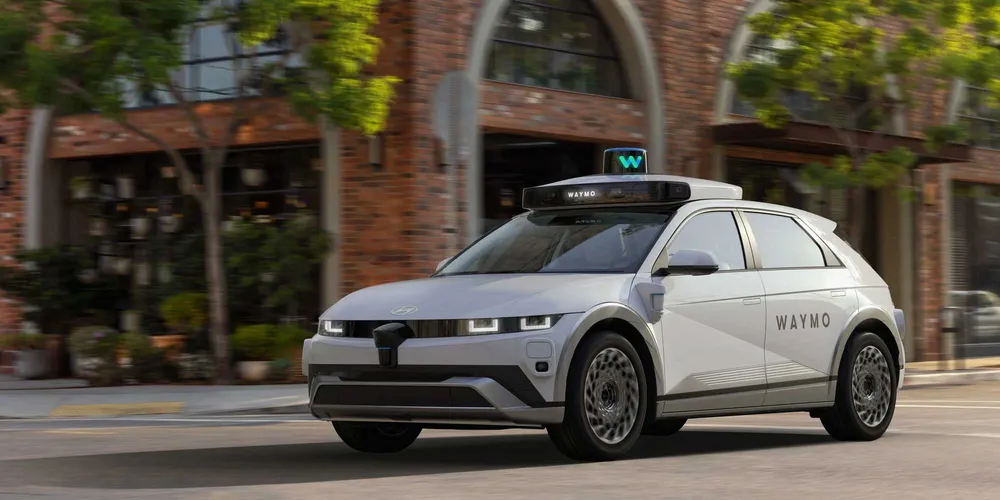
Autonomous vehicles are supposed to be transformative for disabled people. For years, the disability community has been told that self-driving cars will deliver the holy grail: spontaneous on-demand accessible transportation. Despite these promises, the legislative framework emerging around autonomous vehicles tells a very different story, and it looks all too familiar to the laws that have allowed rideshare companies like Uber and Lyft dodge accessibility requirements for years.
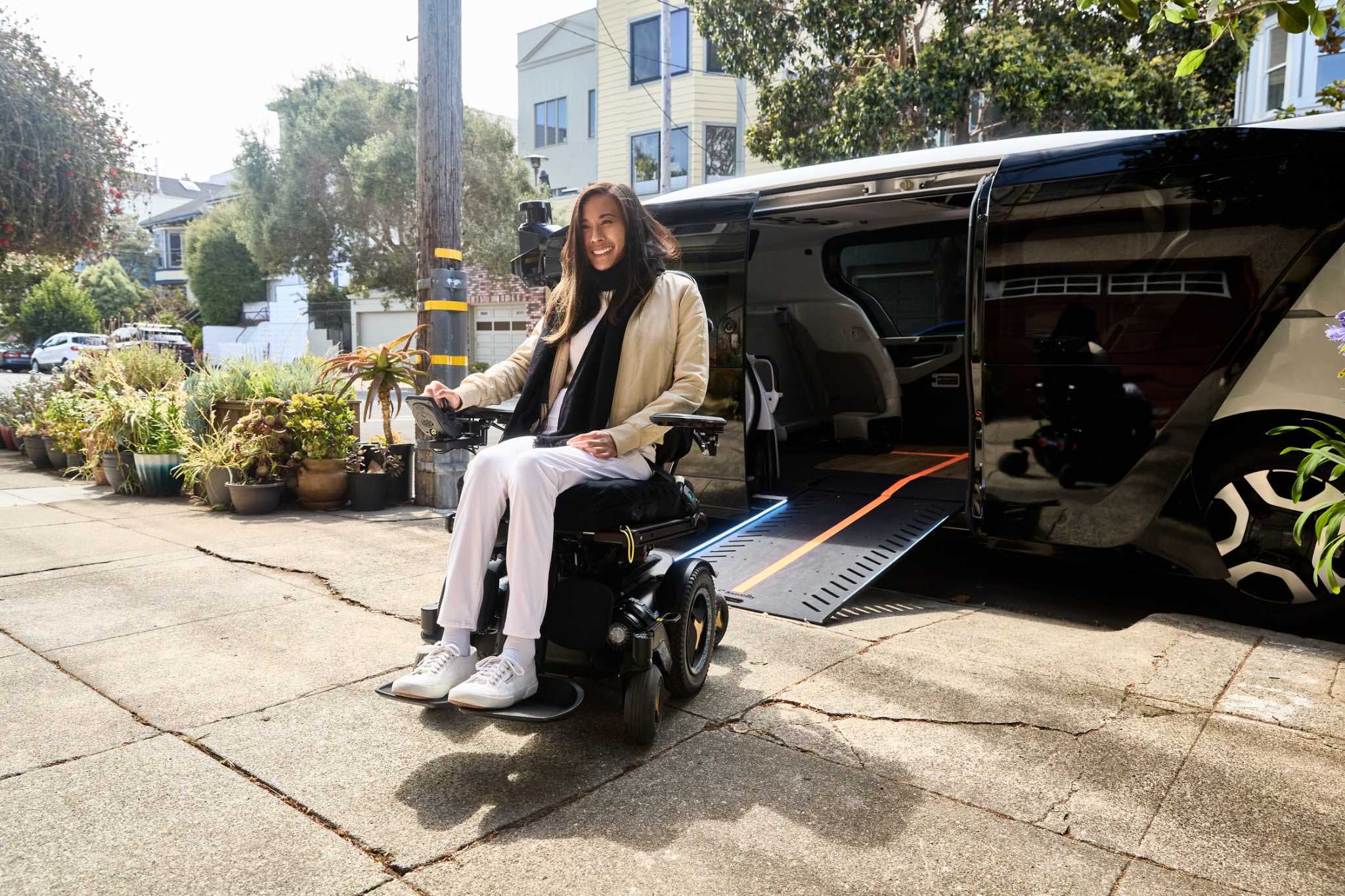
The self-driving technology introduced by companies like Tesla and Waymo is fantastic, but the laws which permit companies to deploy it on American roadways are set to leave wheelchair users behind. If we do not act now, autonomous taxis will just as inaccessible to wheelchair users as the rideshare services of today.
A history lesson on TNCs and states’ preemption of local laws
When transportation network companies (TNCs) like Uber and Lyft began expanding across the country, cities tried to regulate them. Some local governments attempted to require accessible vehicles or impose fees that could fund accessible transportation alternatives like traditional wheelchair taxis. The industry’s response was swift and effective — they pumped millions into lobbying state legislatures to preempt local authority entirely.

Today, countless states have passed TNC laws that deny local governments the right to regulate rideshare companies. It is “big government” at work and in the worst way. The pattern is remarkably consistent. State legislatures pass bills that establish a statewide regulatory framework for TNCs (the language is typically written by the rideshare lobbyists themselves), thereby stripping local governments of the power to impose any additional requirements. The state-level rules are almost always weaker than what cities had in place or were trying to implement.
Consider these examples:
- Florida enacted HB 221 in 2017, codified as Florida Statute §627.748, which created a statewide TNC regulatory framework and included an explicit preemption provision. The law declares that TNCs, TNC drivers, and TNC vehicles “are governed exclusively by state law.” Counties, municipalities, special districts, and airport authorities are prohibited from imposing any tax or operational standard on TNCs. The state law says nothing at all about wheelchair accessibility and, as a result, there is no wheelchair accessible Uber or Lyft service within the State of Florida.
- Ohio enacted HB 237 in 2015, placing the Public Utilities Commission of Ohio in charge of statewide TNC regulation while effectively barring cities from extending their existing taxi and for-hire vehicle regulations to rideshare operators. The law established insurance requirements and background checks, but, like its counterparts in other states, included no wheelchair accessibility mandate. There is no wheelchair accessible Uber or Lyft service in the State of Ohio.
The result of these preemption laws is a landscape in which local governments cannot require Uber or Lyft to operate wheelchair accessible vehicles, even in cities where accessible taxi fleets already existed. The unfair advantage thereby afforded to rideshare operators has put many traditional taxis services out of business, resulting in fewer wheelchair taxis on the road.
Autonomous Vehicle Operators Want Regulatory Protection Too
Rideshare operators were successful in advocating for state laws that eliminated local regulations for wheelchair accessible taxis; operators of autonomous vehicles are now seeking to benefit from those same protections.
Waymo, the largest autonomous ride-hailing operator in the United States, currently operates in multiple cities including Phoenix, San Francisco, Los Angeles, Austin and Atlanta, with more on the way. Its autonomous fleet consists of Jaguar I-PACE SUVs and the new Zeekr robotaxis, neither of which are wheelchair accessible. Waymo does offer a WAV option in some markets, but those rides are provided by human drivers in separate vehicles, not by the autonomous fleet.

WAV vehicles dispatched by Waymo in San Francisco, California are operated by a third-party contractor.
When Waymo announced its expansion to Atlanta in 2024, disabled residents assumed it would offer an accessible service using traditional WAV vans similar to the way it operates in San Francisco. In the State of Georgia, laws to preempt local regulation of TNCs and autonomous vehicles were already in place:
- Rideshare/TNC preemption: Georgia enacted HB 225 in 2015, now codified at GA Code § 40-1-191 (2024), which declares that the General Assembly “fully occupies and preempts the entire field of administration and regulation over ride share network services, transportation referral services, transportation referral service providers, and taxi services.”
- Autonomous vehicles: A similar regulation, codified at GA Code § 40-8-11 (2024), applies to “fully autonomous vehicles, automated driving systems, and any commercial use or operation of fully autonomous vehicles.” The code states that “no rules or regulations relative to the operation of fully autonomous vehicles or automated driving systems shall be adopted which limit the authority to operate such vehicles or systems.”
Since those state laws contained no requirement for wheelchair accessibility, Waymo launched its service in Atlanta without an alternative for wheelchair users. The autonomous revolution had arrived in the Peach State, but wheelchair users were (unsurprisingly) left behind.
Missouri HB 2069: The TNC Playbook, Applied to Autonomous Vehicles
A new law making its way through the legislature in the State of Missouri will put my hometown of St. Louis in the same position as Atlanta.

Missouri House Bill 2069, introduced by Representative Brandon Phelps in the 103rd General Assembly and passed by a vote of 96 to 48, would amend the state’s motor vehicle statutes to authorize the operation of fully autonomous vehicles and “on-demand autonomous vehicle networks” on public roads. It reads like a wish list for autonomous vehicle operators and a nightmare for anyone concerned about accessibility.
The bill’s preemption language could not be more explicit. It limits governance of AVs to the law as written and states that “no state agency, political subdivision, municipality, or local entity may prohibit the operation of fully autonomous vehicles, automated driving systems, or on-demand autonomous vehicle networks, or otherwise enact or keep in force rules or ordinances that would impose taxes, fees, or other requirements, including performance standards” on those vehicles, systems or networks.
This language means that an accessibility requirement — say, mandating that a certain percentage of the autonomous fleet operating in the City of St. Louis be wheelchair accessible — could only be established by the state legislature. Under HB 2069, no city in Missouri could require that an autonomous taxi service operating within its boundaries serve wheelchair users.
And what does HB 2069 require instead? Nothing about accessibility. The word “accessibility” does not appear in the bill. Neither does “disability,” “wheelchair,” nor any reference to the Americans with Disabilities Act. The bill establishes requirements for insurance and vehicle registration, but says nothing about ensuring that this new mode of transportation is accessible to disabled people.
Laws like those enacted in Georgia and now proposed in Missouri will make inaccessibility the norm with respect to taxi transportation — with the unfair advantages of limited regulation and oversight granted to rideshare (and now autonomous vehicle) operators, tech-enabled platforms may finally put traditional taxi services out of business. Wheelchair accessible taxis, in the few places where they still exist, are sure to disappear.
Want to see more explainers like this one? Consider upgrading to a paid membership to get access to every edition of the Wheelchair Travel Newsletter — including premium articles!
Intentional Exclusion and Opposition to the Status Quo
The disability community cannot afford to wait for autonomous vehicle operators to voluntarily make their fleets accessible. Although Waymo has established an “Accessibility Network” of disability organizations and says the right things about inclusion, its actual fleet remains inaccessible to wheelchair users and the company has no plans to introduce an autonomous wheelchair accessible vehicle. It is a corporation that cannot be trusted to prioritize equal access for disabled people.
If states continue to preempt local regulation of autonomous vehicles, they must include strong, enforceable accessibility mandates in their own legislation for the good of all citizens. At minimum, any state AV law should require that autonomous ride-hailing fleets include wheelchair accessible vehicles as a percentage of their total fleet and that wait times for accessible vehicles be comparable to those for standard vehicles.
Bills like Missouri’s HB 2069 do none of this. They are, in effect, a guarantee that autonomous taxis will launch as an inaccessible service — and that no local government will have the power to do anything about it.
We have seen this charade play out before. The wave of state laws which seized control of TNCs from local governments promised innovation and consumer choice. For wheelchair users, it delivered only exclusion. There are now fewer wheelchair taxis on the road today than there were in 2010. If we allow the same framework to be applied to autonomous vehicles without demanding accessibility from the start, we will get the same result — only this time, with the knowledge of hindsight, the exclusion of disabled people is very clearly intentional.
Autonomous taxis won’t be accessible with laws like these.