
Written by Andrea Neeham, Eldersday.org, November 16, 2026
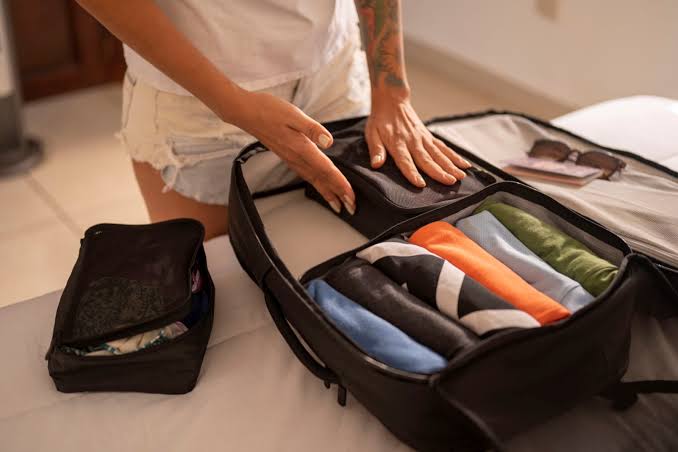
Frequent travelers, remote workers on the move, and families juggling busy schedules all run into the same packing challenges: the night-before pile-up, the missing essentials, and the nagging feeling that something important got left behind. When packing depends on memory and scattered gear, even simple trips start with stress and end with suitcase chaos. An organized packing system replaces that scramble with repeatable decisions, so stress-free travel preparation becomes part of the routine instead of a lucky accident. The travel organization benefits show up everywhere, fewer forgotten items, faster transitions, and calmer days on the road.
Understanding a Packing System That Stays Tidy
At its core, an ultimate packing system is a repeatable way to choose the right bag, group clothing by purpose, and store small items so they do not drift around. An organized packing process treats packing like a simple workflow: sort, pack, label, and make unpacking painless.
This matters because a system travels with you, even when plans change or you are tired. When everything has a home, you stop rummaging for socks, chargers, or toiletries. You also repack faster because you can see what belongs where.
Picture a three day trip with one carry on. Clothes go into packing cubes by category, while cables, adapters, and meds live in one small pouch. You unpack in minutes by moving cubes straight into the hotel drawer. The same workflow applies to documents, using a lean set plus cloud and offline backups.
Build a Trip-Ready Document Packet in 10 Minutes
A packing system stays tidy when the “paperwork” side of your trip is just as organized as your clothes. Digitize your essentials, IDs, reservations, insurance, and your itinerary, so you’re not digging through emails or juggling printouts when you need information fast. Save copies in a secure cloud app for easy access from any device, and also keep offline versions on your phone so you’re covered if you lose service (or your bag) while on the move. Storing everything as PDFs makes the packet portable, searchable, and simple to share if you ever need to send a document quickly.
To keep things lean, don’t carry entire multi-page confirmations or long policy documents when you only need a few key pages. A PDF page extraction tool lets you select and pull just the relevant pages into a new, separate file, many travelers use tools to extract PDF pages to create a streamlined set that’s faster to open and easier to navigate. With your documents handled, the next step is turning the rest of your packing into a repeatable routine you can run before every trip.
Build a Packing Routine You Can Repeat Every Trip
A reliable packing system turns travel prep into a simple repeatable habit. You will spend less time second-guessing and more time feeling ready, even when life is busy.
- Step 1: Define the trip so your list matches reality
Start by asking what kind of trip this is: work, beach, road trip, family visit, or something else. Your clothing, shoes, and “just in case” items should change with the plan, so assess the nature of your trip before you write a single item down. This keeps your system personalized instead of copy-pasted. - Step 2: Build one master checklist, then copy it per trip
Create a master list with sections you always need: documents, health and toiletries, clothes, tech, and day bag essentials. For each new trip, duplicate the list and delete what does not apply so you start from a template, not a blank page. Keep it in one place you will actually check, like a notes app. - Step 3: Block two short packing sessions on your calendar
Schedule an early session to pull items and do laundry, then a final session to physically pack and do a last scan of your checklist. Short blocks reduce procrastination and prevent the late-night scramble where you forget chargers or socks. Treat the calendar blocks like appointments so packing stops competing with everything else. - Step 4: Pre-stage a “launch pad” for essentials and outfits
Pick one spot at home where travel items live for 24 to 48 hours before departure: bag, toiletries kit, chargers, medications, and your travel documents. Add your first outfit on top so you are not digging on arrival or on an early travel morning. If you tend to overpack, aiming to bring my bags as carry on can naturally limit duplicates and force smarter choices. - Step 5: Do a final 5-minute exit check and lock the routine
Right before you leave, confirm three things: wallet and ID, phone and chargers, and any trip-specific non-negotiables like keys, glasses, or medication. Then mark your checklist with notes about what you did not use or what you wished you had. Those quick edits are how your packing system improves every time.
Packing System FAQs for Real-World Trips
Q: What’s the fastest way to stop overpacking?
A: Set a “replaceable rule” before you add extras. A good guideline is that items less than $20 that you can grab quickly at your destination are usually not worth packing backups for. Then cap yourself at two pairs of shoes and re-wearable layers.
Q: How do I make one bag fit without feeling cramped?
A: Pick a simple capsule: 2 bottoms, 4 to 6 tops, 1 warm layer, and sleepwear, then build outfits that all mix. Roll or fold consistently, and keep bulky items (jacket, sneakers) on your travel day.
Q: What accessories actually help, not just add clutter?
A: Use one small pouch for chargers, one toiletry kit, and optional packing cubes only if they match your bag shape. Add a lightweight tote or foldable day bag for overflow and day trips.
Q: When should I choose a backpack instead of a rolling suitcase?
A: Choose a backpack when you expect stairs, public transit, cobblestones, or frequent one-night stops. The fact that backpacks led the luggage market reflects how well they work for flexible, hands-free travel.
Q: How can I avoid forgetting tiny essentials like adapters and meds?
A: Keep them in a permanently stocked “grab kit” that never gets unpacked. Refill it as soon as you get home, so it is ready for your next departure.
Lock In a Packing System for Faster, Calmer Travel Days
Travel gets stressful when packing is reinvented every time and small decisions pile up right before departure. A packing system shifts the mindset from last-minute guessing to consistent travel preparation, so each trip starts from a familiar baseline. The packing system benefits show up quickly: fewer forgotten essentials, smoother airport and hotel transitions, and time-saving packing tips that create an organized trip experience with real stress reduction while traveling. A reliable packing system turns packing from a scramble into a repeatable routine.
Leave a Reply